When you hold your baby in your arms, you can touch the back of their head and realise it is flat. You might think a lot. Was it always there? You take a couple of snapshots, tilt your baby’s head, and go online. This is very common today, and it is a concern shared by many parents who are unaware of its meaning. Babies have what is referred to as flat head syndrome, and the good thing is that it can be totally cured.
What you need to know is that early intervention and the right baby flathead helmet can help your baby’s head reshape naturally. At KARE, behind every cranial helmet is expert precision, comfort, and advanced technology to ensure this correction is safe, smooth, and practical so that you can monitor your baby’s head growth with confidence. And let’s dive into the queries you have on flat heads!
What Causes Flat Head Syndrome in Babies?
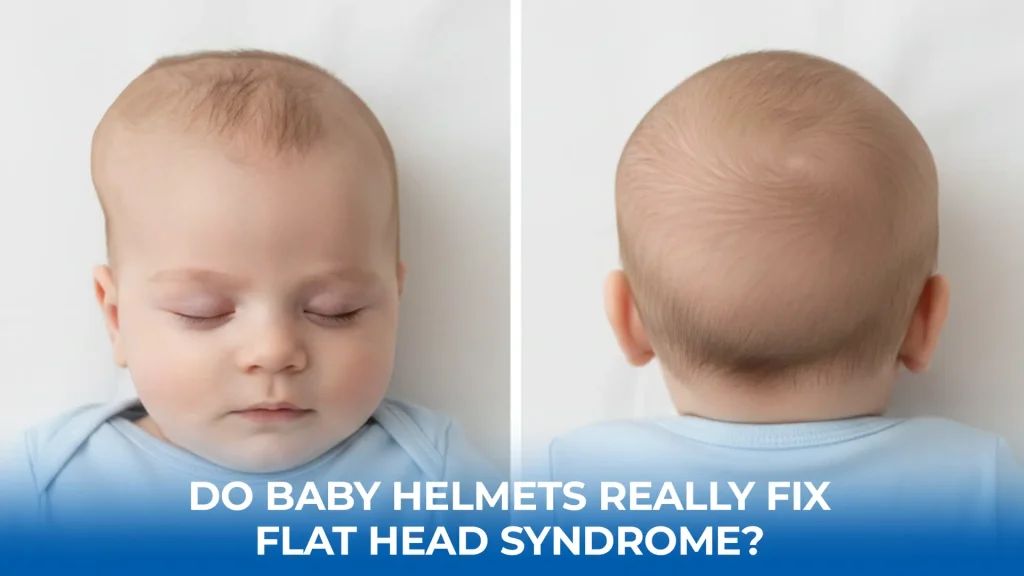
The skull of a newborn is soft and pliable, and the brain will develop very fast. When a baby lies continuously on one side of their crib, bed, stroller, or car seat, the area can flatten over time.
Torticollis is a condition acquired at birth in some infants, leading to tightness in the neck muscles and causing the child to tilt their neck to one side. Fortunately, flat head syndrome is preventable with good care, frequent repositioning, and the application of a baby flat head helmet when needed.
How Do Baby Flat Head Helmets Work?
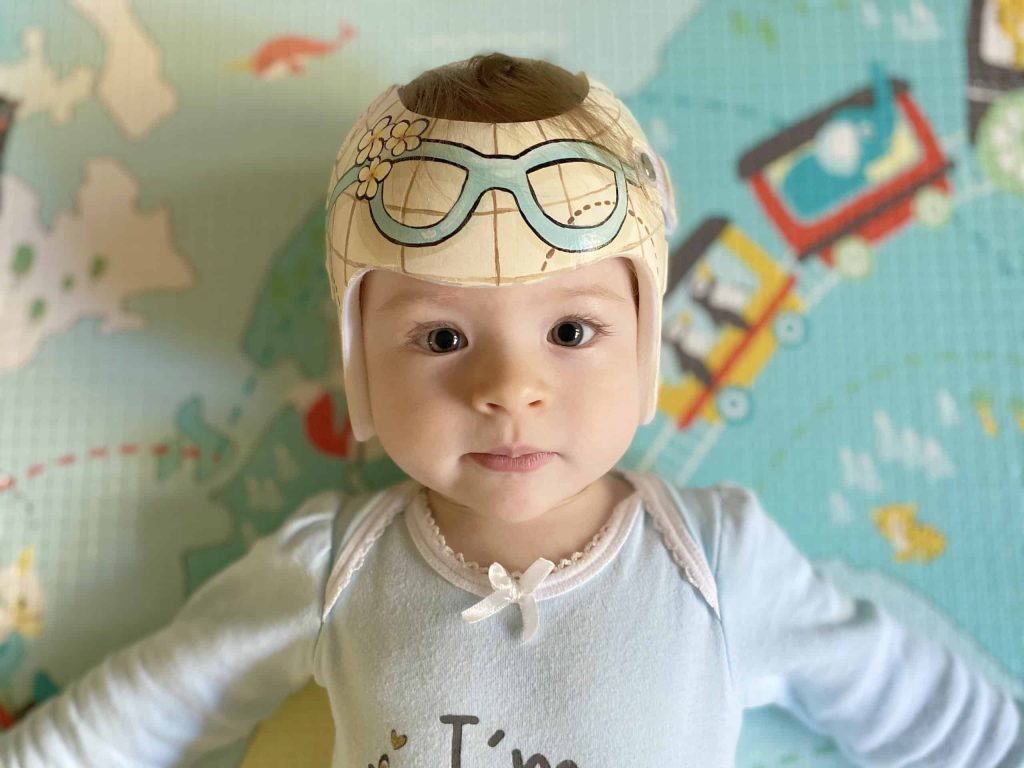
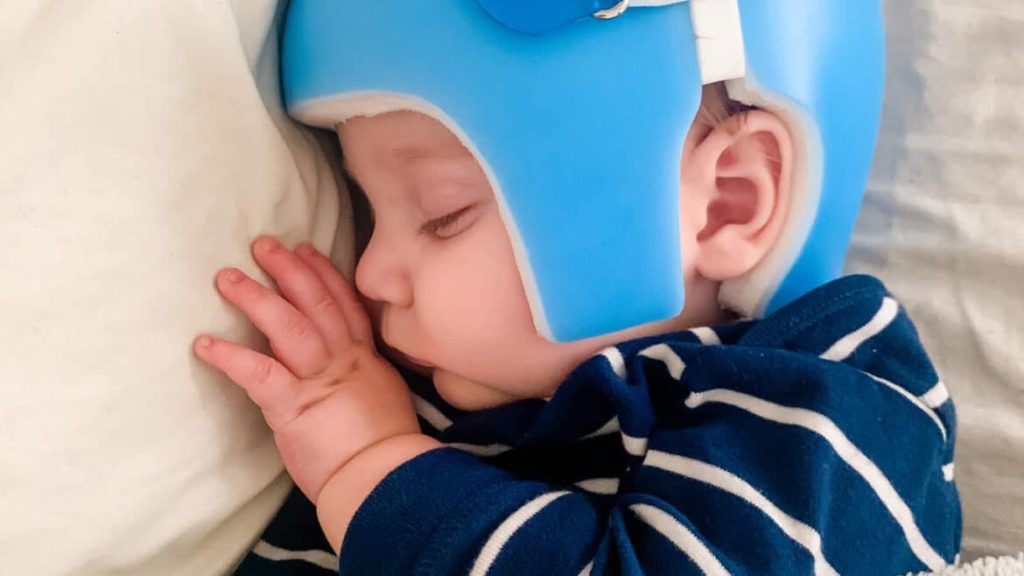
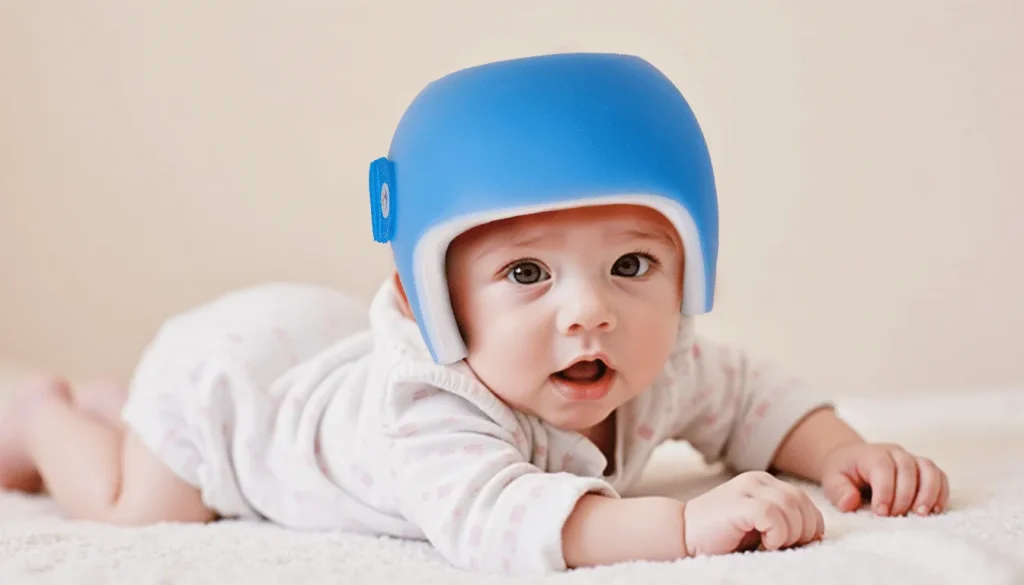
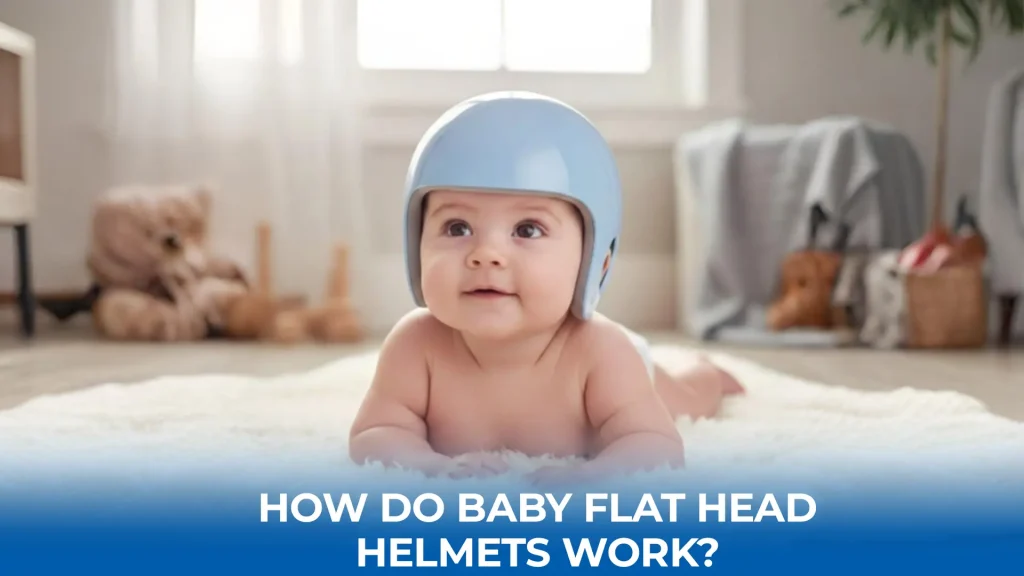
A flat-head helmet or cranial helmet helps the baby’s skull grow symmetrically. It has a gentle hold on the more prominent parts of the head, leaving the flattened points free to develop in the space created inside the helmet.
As your baby’s head grows, the helmet helps attain symmetry. This process is called flathead helmet therapy. It’s one of the safest and most effective plagiocephaly treatments, trusted by specialists and parents around the globe.
When Should My Baby Start Using a Flat Head Helmet?
Timing truly matters here, especially in the journey of helmet therapy. The ideal flat-head helmet treatment time in infancy is 3-6 months, when the skull is unhardened and rapidly expanding. Exposure to the treatment typically takes about 12 months, depending on the severity of the flatness.
It is better to begin early, as the baby’s skull hardens with growth. Also, it is essential to see your paediatrician immediately if you notice flattening, so you can receive the best treatment.
Is Flat Head Syndrome Permanent Without Treatment?
In milder cases, the shapes of babies’ heads improved naturally as they matured and spent less time in the lying position. However, babies with moderate to severe cases of flat head syndrome seldom have complete self-correction. Consultation is the most appropriate thought.
If untreated, it may leave the face and ears asymmetrical, with ears that do not match, or a slight imbalance of the jaw. They usually do not influence brain development (unless it’s a severe case), but may affect how your child looks and how confident they will be in the future.
A flat-head baby helmet is used at a young age to ensure the baby’s skull develops in a balanced way, which is beneficial and promotes the baby’s well-being.
Do Baby Helmets Really Fix Flat Head Syndrome?
Absolutely! When worn correctly under specialist advice, baby flat head helmets can make a real difference. Research and thousands of parents’ stories show visible improvements in just a few months.
Orthotists at KARE are using lightweight Starband helmets which are made in a FDA-approved lab in USA, to ensure a perfect fit for patients. They are gentle on the skin of your baby, breathable, and comfortable, so your baby can wear as long as 23 hours a day. Several weeks into use, most parents report positive outcomes, and cranial remoulding helmets have become a reliable form of treatment in the world for the treatment of plagiocephaly.
Parent Tips During Helmet Therapy
Don’t forget the schedule: Wear continuously for at least 23 hours a day.
Give more tummy time: It builds neck strength and eases pressure on the back of the head.
Attend check-ups: Because regular visits ensure the helmet fits and adjusts as your baby grows.
Keep it clean: You can wipe the helmet daily with a soft cloth for comfort and hygiene.
These small habits go a long way in helping your baby stay comfortable and get the best results.
Choose the Right Path
Flat head syndrome may seem frightening, but in the infant stage, it is highly manageable. With better solutions such as the baby flat head helmet at KARE, your child’s head can be naturally, comfortably, and safely reshaped.
If you find any flat heads, don’t think. It’s essential to talk with your orthotist or craniofacial experts about cranial remoulding helmets. And early steps lead to faster, longer-lasting improvements in baby head-shape correction.
Why Choose the Baby’s Flat Head Helmet from KARE?
Your baby deserves the best in comfort and care. The KARE baby flat head helmet offers:
Perfect Custom Fit: Created with advanced 3D scanning for precision.
Lightweight Design: Comfortable for daily wear, day and night.
Smart Ventilation: Keeps your baby’s head cool and irritation-free.
Adjustable Padding: Supports safe, natural skull development.
Clinically Proven Results: Trusted by pediatric and orthotic experts worldwide.
Why KARE? Choosing us means choosing effective, safe, and reliable baby flat head helmet therapy that helps your little one grow with confidence with expert care. Try early with KARE.

Conclusion
Every baby deserves a healthy, perfectly rounded start in life. Baby flat head helmet therapy is a safe, effective, and scientifically backed way to treat flat head syndrome in babies.
At KARE, countless parents have seen tremendous progress in just a few months. Take the first step today. The sooner you act, the sooner your baby’s smile will perfectly match their beautifully shaped head.