Sore feet can quietly change everything: how long you stand, how far you walk, even how you sleep. If that sounds familiar, custom orthotics may help more than you expect. Unlike generic inserts, they’re made to fit your feet and support the way you move. With better support under key areas, many people notice less strain, steadier steps, and improved comfort through the day.
If you’re on your feet for work, getting back into workouts, or just trying to keep up with errands, small changes in support can add up fast. Here are five ways orthotics can improve comfort and mobility.
What Are Orthotics and How Do They Support the Body?
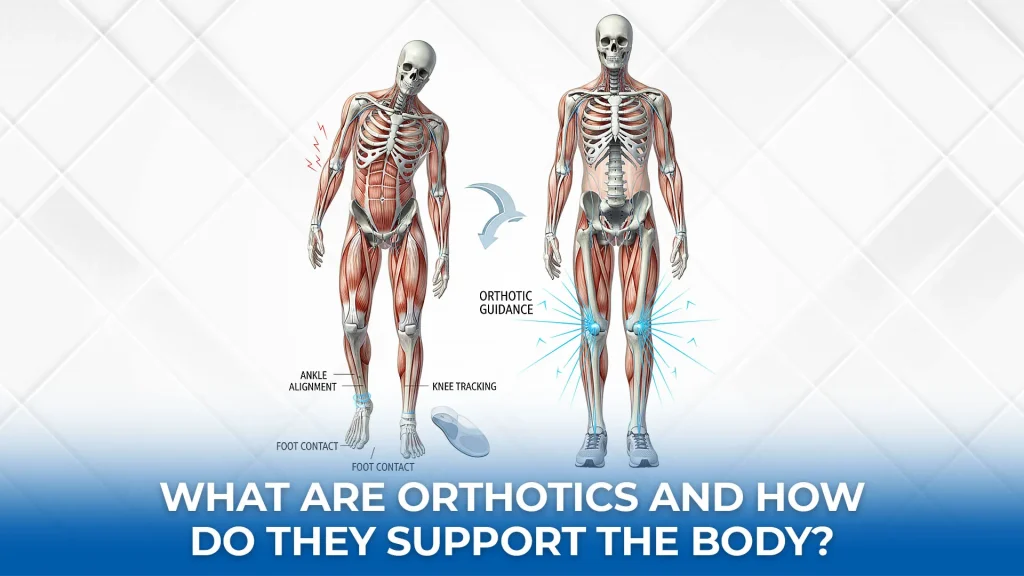
Orthotics are medical support systems that guide how you stand, walk, and move. They support joints, improve alignment, and reduce stress on tissues. Clinicians use orthotics to manage flat feet, heel pain, knee strain, ankle weakness, and spinal discomfort.
You will see orthotics in many forms. Some look like insoles. Others look like braces. Some support one joint. Others support a full limb segment. In each case, the goal stays simple: guide movement in a safer path, and keep your body stable through the day.
Orthotics work best when you treat them as part of a full plan. You start with a clinical check. Then you match the device to your gait pattern. Next, you add training, footwear advice, and review visits. As a result, your body adapts without strain.
Once you understand what orthotics do, the next step is seeing how they influence movement starting at the feet.
How Orthotics Guide your Movement from the Ground Up
Orthotics change movement at the point where most problems begin: the way your foot meets the ground. Therefore, when you improve foot contact, you improve the chain above it. Next, your ankle tracks better. Then, your knee stays aligned. After that, your hip rotation reduces. Finally, your back carries less load. So, comfort improves, and confidence rises.
With that foundation in mind, let’s break down the five specific ways orthotics can improve comfort and mobility in real life.
1. How Custom Orthotics Improve Alignment and Posture
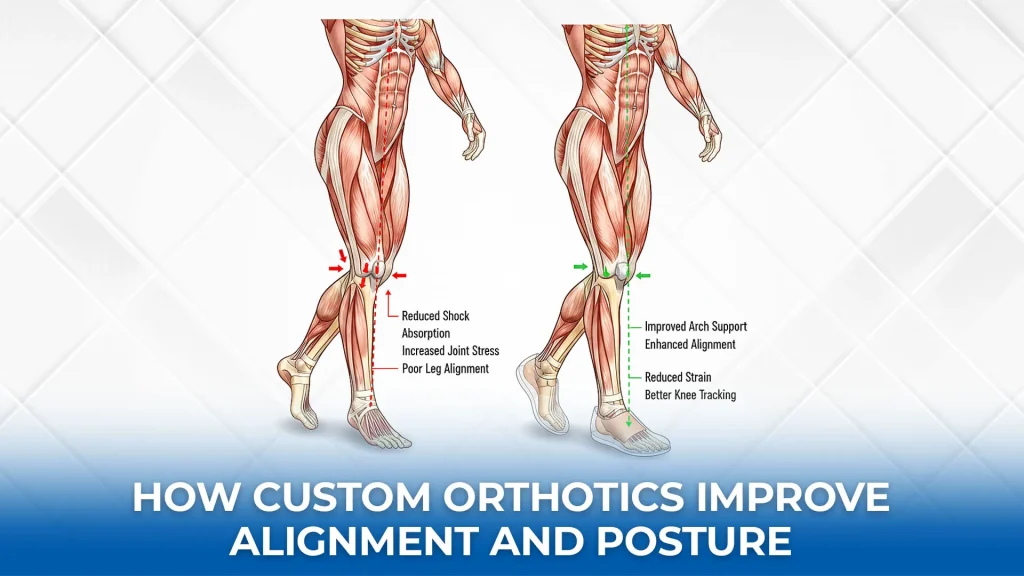
Posture starts at ground level. When your arches drop, your knees tend to turn in. Then your hips rotate. After that, your lower back takes the load. Custom Orthotics help by supporting the arch and guiding heel position, so your leg line stays cleaner through each step. This reduces over-pronation and uneven loading, which often creates that quiet “compensation walk” people pick up over years.
- Support the arch so your foot does not collapse inward
- Guide heel position to improve ankle tracking
- Reduce knee drift, hip twist, and back strain over time
A clinical meta-analysis on Ankle-Foot Orthoses (AFOs) found clear gains in walking parameters like walking speed, cadence, step length, and stride length, with strong standardised effect sizes. That matches what you see in practice: better alignment usually leads to less fatigue during long workdays.
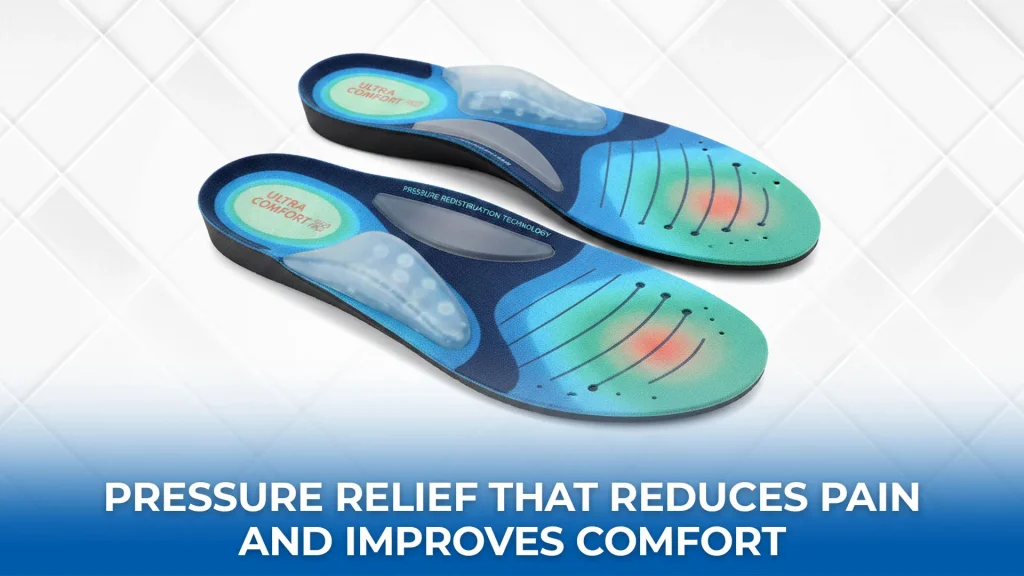
2. Pressure Relief That Reduces Pain and Improves Daily Comfort
Pain often repeats in the same zones: heel, arch, ball of foot, or even up the shin and knee. Orthotics reduce this by spreading pressure across a larger contact area, instead of letting one hotspot do all the work. They also support overworked soft tissue and reduce friction inside footwear, which matters in Indian routines where walking surfaces and shoe styles vary.
- Shift pressure away from sensitive spots
- Support tissues that strain under load
- Improve comfort inside shoes during long hours
This is where foot orthotics fit well. They support flat-foot mechanics and help manage daily strain from long standing, stairs, uneven roads, and extended walking. When pain drops, movement feels safer, and mobility improvements follow in a steady way.
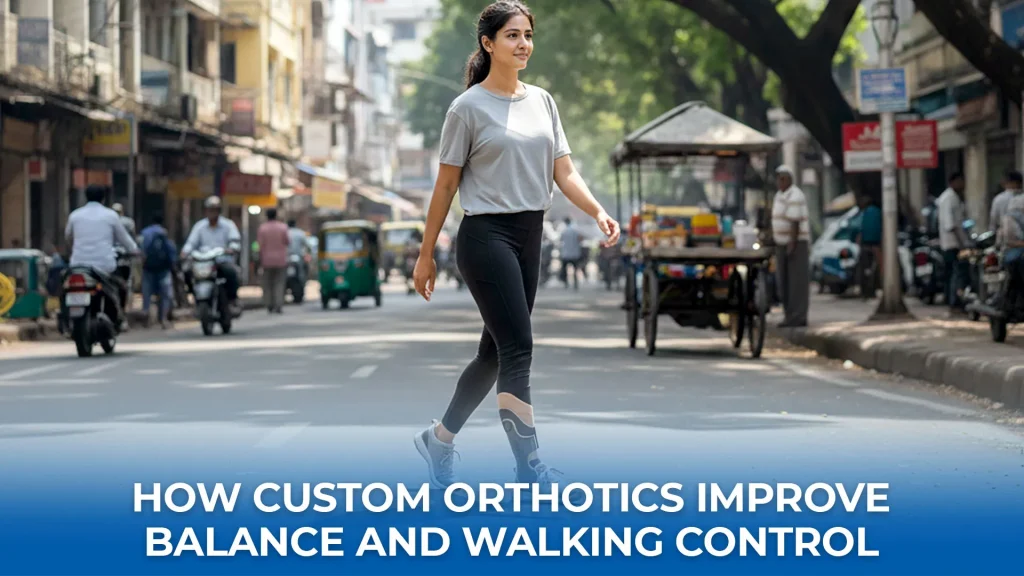
3. How Custom Orthotics Improve Balance and Walking Control
Balance problems can feel subtle. You may shorten steps, grip the floor with toes, or avoid stairs. Orthotic support improves control by stabilising joint angles and reducing ankle wobble. It also improves foot placement and supports knee tracking when needed.
- Improve stability at the ankle and foot
- Support safer foot placement and smoother steps
- Reduce sudden shifts during turns and transitions
A study on people with hemiparesis after stroke reported that ankle-foot orthoses paired with balance and gait training improved spatiotemporal gait outcomes, including walking speed and step length. That combination makes sense.
The device guides movement, while training teaches your body to follow the pattern. Many patients also benefit from customized braces for ankle control, knee stability, or spinal support during daily transitions.
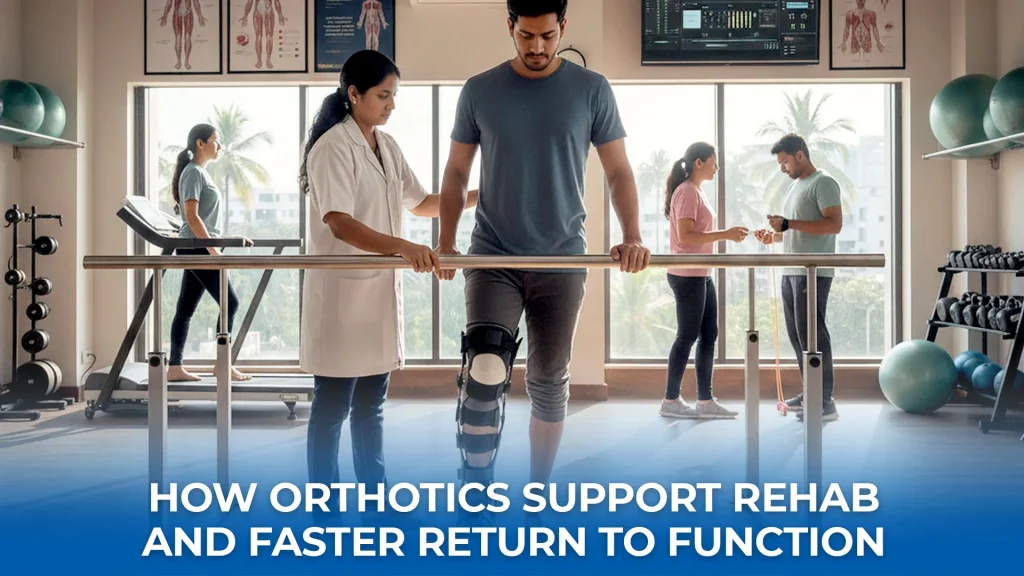
4. How Orthotics Support Rehab and Faster Return to Function
Rehab works best with consistent movement. Your body heals faster when you reduce repeated stress. Orthotics support rehab by limiting harmful motion and allowing safe motion, especially after fractures, ligament strain, tendon issues, or surgery.
- Control movement during healing
- Reduce overload while strength returns
- Support graded progress in activity
Orthotics also act as rehabilitation devices. You start with support, then build strength, then reduce dependence as control improves.
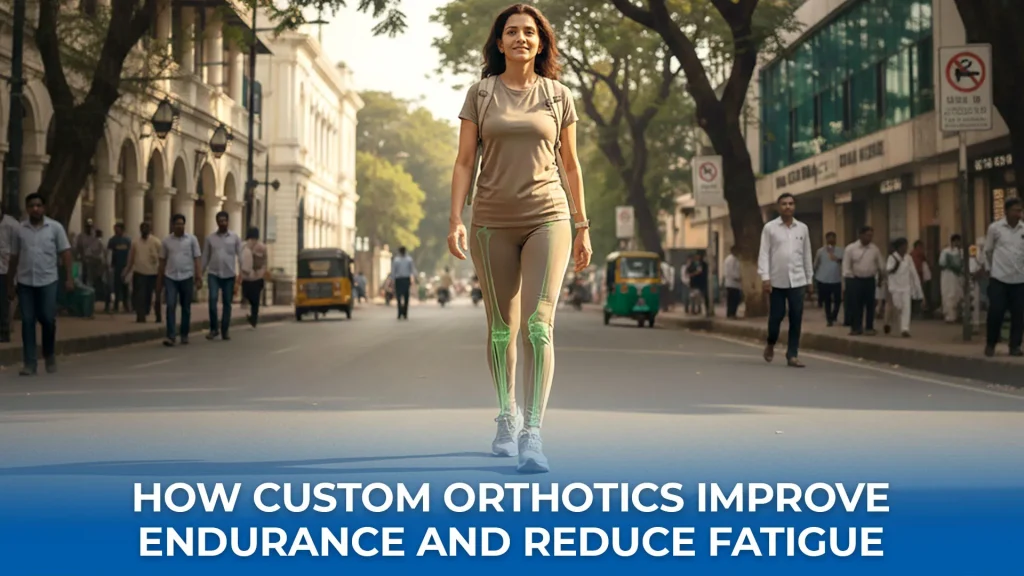
5. How Custom Orthotics Improve Endurance and Reduce Fatigue
Fatigue often comes from poor mechanics. When your body fights alignment, your muscles overwork. Custom Orthotics reduce wasted effort by improving push-off, stabilising stance, and smoothing stride.
- Reduce muscle overcompensation
- Improve efficiency in walking and standing
- Support long-term mobility improvements across weeks
After seeing these five benefits, a common question follows: why do custom devices typically outperform off-the-shelf supports?
Why Custom Orthotics Perform Better than Generic Supports
Generic supports follow an average foot shape. Your foot does not follow averages. Your gait pattern also stays unique. That is why custom devices fit better, last better, and guide movement with accuracy.
Below is a simple comparison to help you decide:
|
Feature |
Custom Orthotics |
Generic Inserts / Ready Supports |
|
Fit |
Built from your assessment |
Standard sizing |
|
Comfort |
Higher, due to better contact |
Varies by shoe and shape |
|
Biomechanics |
Corrects gait patterns |
Limited correction |
|
Best for |
Complex pain, posture issues |
Mild discomfort, short-term use |
|
Follow-up |
Adjustments based on response |
Minimal clinical tuning |
So, if you deal with ongoing pain, you usually need a clinical build. If you need short-term support, a ready device may work. Still, clinicians should modify it for your body.
With that clarity, the next step is understanding how the right provider turns assessment into a practical, day-to-day solution.
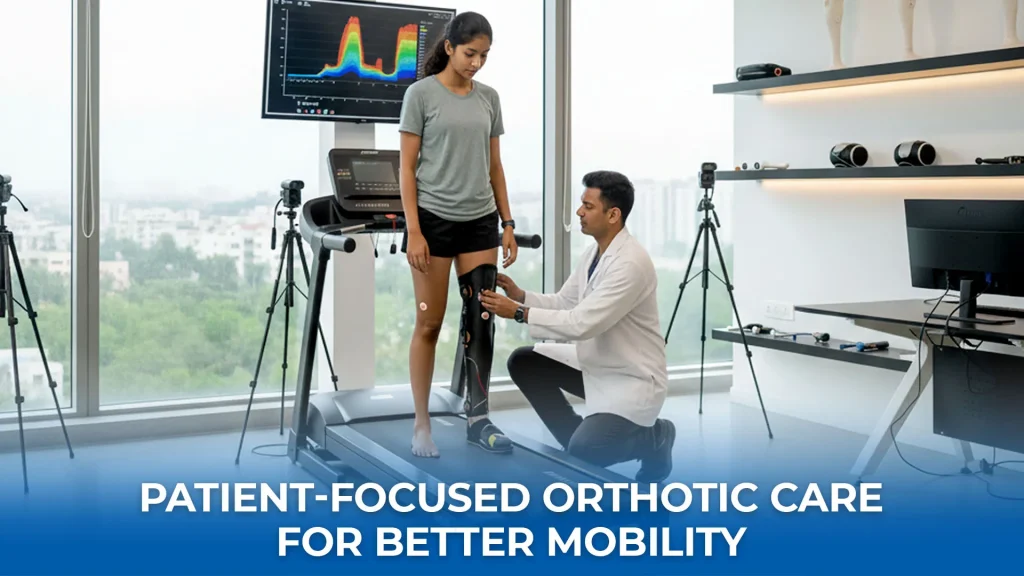
How KARE Delivers Patient-Focused Orthotic Solutions
KARE supports advanced prosthetics and orthotics in India with international-quality systems for people living with mobility limits, limb loss, or complex musculoskeletal needs. We keep the process clinical and practical. First, we assess your gait, posture, and joint control. Next, we map what support your limb segment needs for daily function.
Then, we build and fit the device with careful alignment checks. After that, we guide you through walking practice, comfort tuning, and planned follow-ups, so the support works in real life, not just inside the clinic.
Orthotics Solutions: Custom-Made and Prefabricated Support Options
We deliver orthotics through two clear product lines. Each line matches different clinical needs while improving comfort, stability, and mobility.
Custom Orthosis
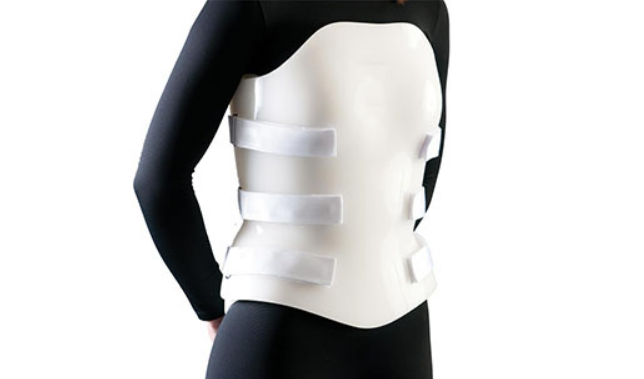
Custom orthoses are fabricated from a cast or mould of the client. This method gives a precise fit and targeted support. Qualified orthotists or prosthetists assess and fit these devices.
- Ankle Foot Orthosis (AFO): Supports ankle alignment and foot control during walking.
- Knee Ankle Foot Orthosis (KAFO): Stabilises the knee and lower limb for improved gait control.
- Hip Knee Ankle Foot Orthosis (HKAFO): Provides full lower-limb support for complex mobility conditions.
- Wrist, Hand & Elbow Orthosis: Enhances upper-limb positioning, function, and joint protection.
- Fracture & Trauma Bracing: Maintains alignment and protection during injury recovery.
- Custom Spinal Orthosis: Supports spinal alignment, posture, and controlled movement.
Prefabricated Orthosis
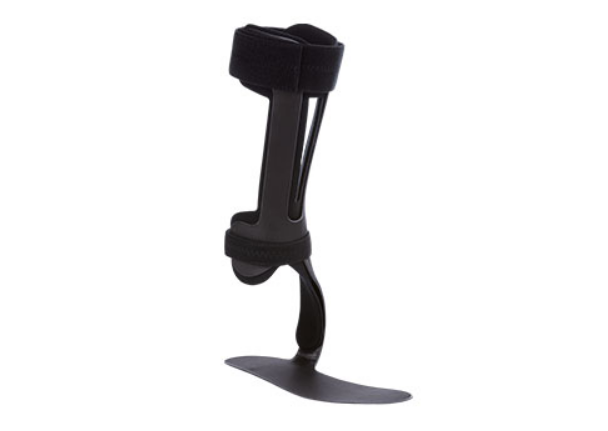
Prefabricated orthoses come ready-made and we adjust them to suit your comfort, fit, and function. Clinicians often use these devices for short-term support or less complex presentations. Even here, proper modification matters for results.
- Ankle & Foot Orthosis: Provides basic support and pressure relief.
- Knee Orthosis: Assists joint stability and movement control.
- Spine Orthosis: Offers postural support and controlled spinal alignment.
- Upper Limb Orthosis: Supports arm, wrist, or hand function during daily activities.
We also guide you on foot orthotics selection when you manage flat foot stress. We integrate orthotics with rehabilitation devices and training plans for better outcomes.
Who can Benefit Most from Orthotics?
Orthotics support many needs across India. You may benefit if you face:
- Flat feet, heel pain, plantar fascia strain, or arch collapse
- Knee discomfort, early arthritis stress, or ligament weakness
- Ankle instability, foot drop, or nerve-related gait changes
- Post-fracture recovery and return-to-walk plans
- Post-stroke gait training support, under clinical guidance
- Diabetic foot risk, pressure areas, or protective off-loading needs
Also, if your work keeps you on your feet, orthotics reduce strain. If you travel often, orthotics improve stability. If you care for a family member, orthotics improve safety during walking.

Conclusion: Comfort and Mobility Start with the Right Orthotic Support
Your comfort improves when your body moves in better alignment. Your mobility grows when you reduce pain and improve control. Therefore, orthotics work best when a clinician fits them and reviews them.
If you want a long-term solution, choose a clinical pathway with Custom Orthotics, proper training, and follow-ups. For assessment, fitting, and ongoing support, connect with us at KARE.
FAQs
Who can benefit from Orthotics?
People with flat feet, joint pain, ankle weakness, post-stroke gait changes, or diabetic foot risk benefit with clinical guidance.
How are Orthotics customized for each patient?
Clinicians assess gait, alignment, pressure points, and goals. Then they design, fabricate, fit, and adjust the device over reviews.
Do Orthotics help with chronic pain or posture issues?
Yes. Orthotics support alignment, reduce overload, and improve gait pattern. As a result, many chronic pain patterns settle.
How often should orthotics be adjusted or replaced?
Adjust when fit changes, pain returns, or wear appears. Replace when material fails, shape distorts, or clinical needs shift.
Can orthotics be used alongside other prosthetic solution?
Yes. Clinicians often combine orthotics with prosthetic care, gait training, and rehab plans for safer walking and better control.