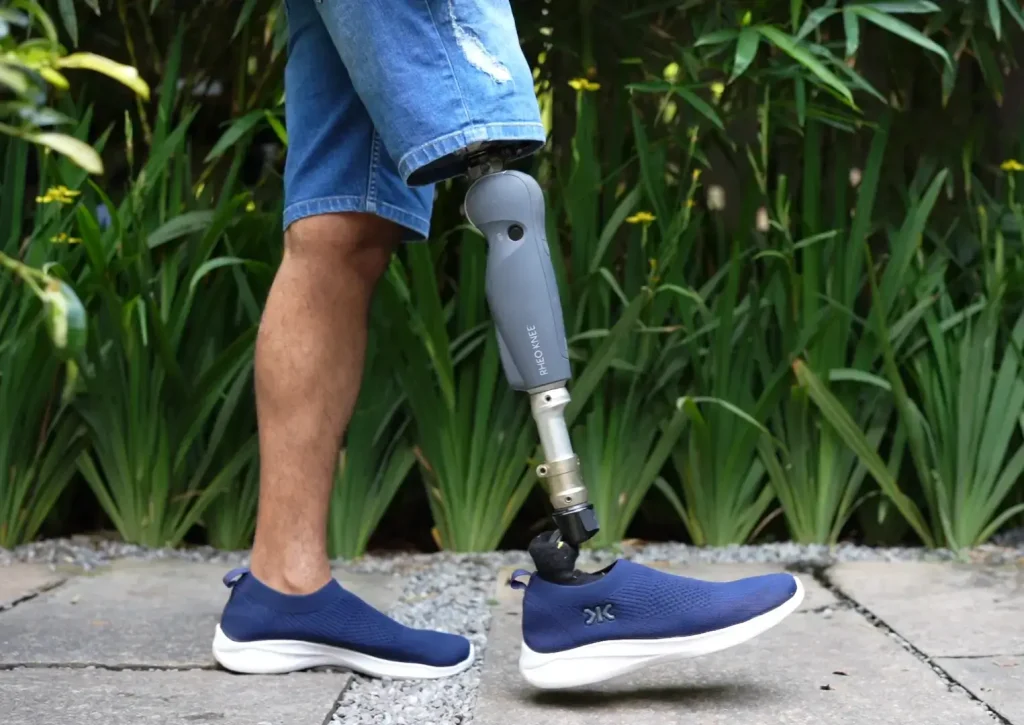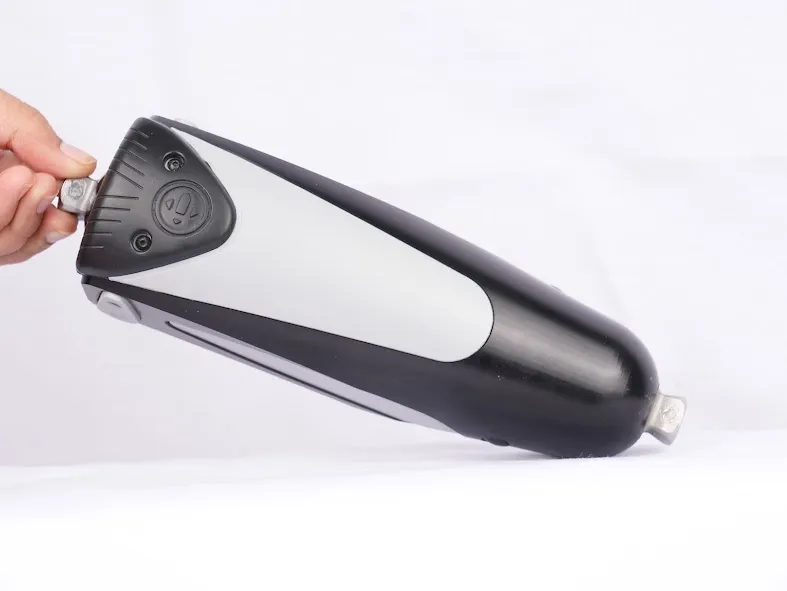
Once you have an amputation below the knee, choosing a prosthetic foot is one of the most essential things in regaining your walking abilities. The perfect foot is a compromise between price, durability, and comfort, a tool that can be used in daily life.
Two names will always appear in your search, and these are the Jaipur Foot and the SACH Foot. As both are great choices, they are suited to various purposes and lifestyles. It is essential to know their fundamental differences when making a decision.
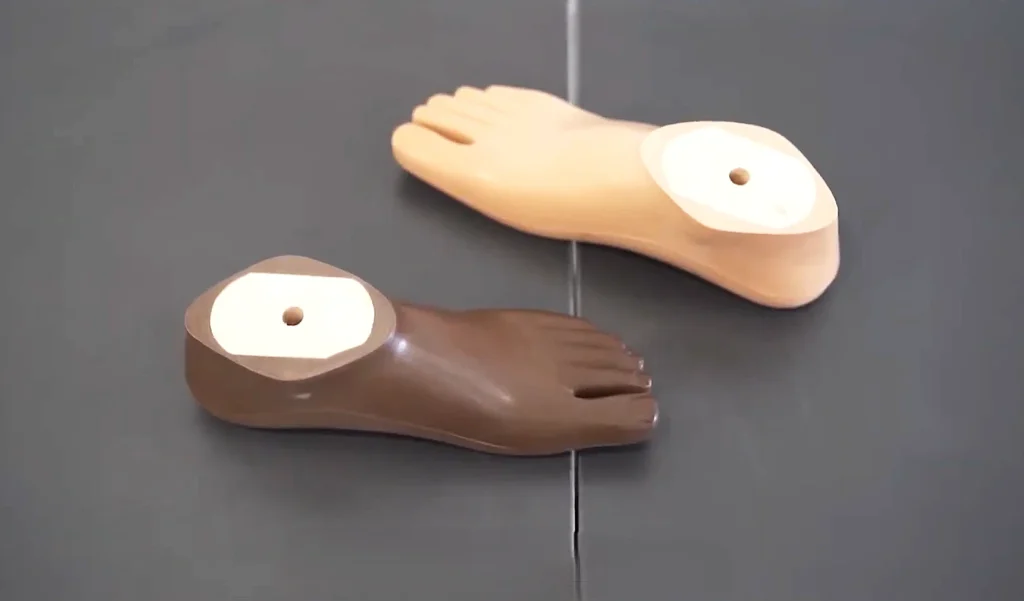
The Jaipur foot is a very flexible design resembling a natural ankle, which enables one to perform tasks such as squatting or sitting up cross-legged. The SACH Foot is a stable and rigid design; however, it places more emphasis on a steady, firm base to walk on.
In this guide, we are going to take a closer look at the strengths, weaknesses, and the appropriate users of each of the feet and therefore help you know which one fits better with your personal mobility objectives.
Know the History of the Jaipur foot.
Curious to know: What is Jaipur Foot? Bhagwan Mahaveer Viklang Sahayata Samiti (BMVSS), an Indian organisation based in Jaipur, developed the Jaipur Foot to provide affordable and adaptable prosthetic limbs for people who live in barefoot cultures. The prosthetic allows users to walk barefoot, squat, sit cross-legged, and move across rough terrain, making it especially useful for everyday life in India and similar regions.
Key features of Jaipur Foot:
- Wood, rubber, and aluminium- This mix is able to create a firm and lightweight foot that enables you to walk freely on roads, rough routes, or at home.
- Flexible ankle to move freely and absorb shock- You can squat, sit cross-legged, and walk further distances without the feeling of being stiff and unnatural.
- And waterproof and rugged enough to use outside – You won’t need to worry when you use it in the rain, or a puddle, or even when you are crossing a small stream.
- Very cheap, usually free via the NGOs – You will be able to obtain a good-quality prosthetic foot without worrying about the costs.
What is SACH Foot?
SACH Foot (Solid Ankle Cushion Heel) is a type of prosthesis, which was made in the U.S. It is a world-famous model that brings stability and natural heel strike in the course of walking. It, however, has a solid ankle and rigid structure, which limits flexibility and ankle movement.
Key Features of SACH Foot:
- Hardwood or plastic core cushion heel – This will give you good support when walking in straight areas such as the road, sidewalks, or within the home.
- Walking with a heel-to-toe motion: -Makes walking feel better without unexpected shocks, which is perfect to use in your daily walks.
- Stable and stable over moderate activities are the things that suit the daily activities, including walking to the market, standing for long, or doing light household duties.
- Needs Comfort and protection of shoes- Shoes keep the foot safe and cushioned, making it easier and safer to walk.
Jaipur Foot vs Sach Foot – Key Differences
1. Ankle & Keel
Ankle and keel also dictate the ease with which one can move and support their weight, walking, squatting, and stability.
- Jaipur Foot: A Flexible rubber foot with a shorter keel is capable of natural movement of the ankle, thereby allowing easy day-to-day activities.
- SACH Foot: Solid wooden keel restricts the movement of the ankle, making squatting or bending more challenging.
2. Movement Capabilities
The movement of your feet determines the level of comfort and multi-purpose in your walking and everyday life.
- Jaipur foot: Allows you to squat, cross-legged, and walk without shoes, imitating the movement of the natural foot.
- SACH Foot: It has limited movements, which are less natural because it is stiff.
3. Cultural Suitability
Your prosthetics need to conform to your environment and lifestyle so that they are the most comfortable and suitable.
- Jaipur Foot: Worn by the barefoot, waterproof, and tough-looking – perfect in the country or in the tropics.
- SACH foot: Designed to be used with shoes; not much good in wet and barefoot conditions.
4. Material & Durability
The materials have an influence on the lifespan of the foot and its daily wear, weather conditions, and activities.
- Jaipur Foot: It is made of microcellular rubber and wood in the early days; it is made of high-density polyethene today to give it strength and long life.
- Sach Foot: This is strong and reliable, yet the wooden keel is likely to wear off under humid or wet weather.
5. Origin & Purpose
Understanding how each foot works can help you see why manufacturers designed it that way and decide whether it suits your needs.
- Jaipur Foot: Indian organisations developed the Jaipur Foot as an affordable prosthetic option for local conditions. It supports barefoot walking and adapts well to India’s climate and lifestyle.
- SACH Foot: Prosthetic manufacturers developed the SACH Foot for Western environments, where people typically wear shoes and face colder climates.
Detailed Comparison Table: Jaipur Foot vs Sach Foot
| Feature | Jaipur Foot | SACH Foot |
| Design Type | Flexible, multi-axial | Rigid, solid ankle |
| Ankle & Keel | Rubber ankle, short keel | Wooden keel, no ankle motion |
| Movement | Allows squatting & cross-legged sitting | Limited mobility |
| Cultural Suitability | Ideal for barefoot use, waterproof | Designed for shoe wear |
| Material | Rubber, wood, polyethene | Wood, plastic, rubber heel |
| Durability | Strong and field-tested | Durable but not water-resistant |
| Maintenance | Easy & inexpensive | Requires periodic maintenance |
| Jaipur Foot Price (India) | ₹3,000 – ₹10,000 (often free via NGOs) | ₹10,000 – ₹25,000 |
| Best For | Rural, active, barefoot users | Urban, shoe-wearing users |
Jaipur Foot Price in India
The Jaipur Foot price depends on where and how it’s fitted:
- Basic Model: ₹3,000 – ₹5,000
- Advanced Jaipur Artificial Leg: ₹7,000 – ₹10,000
- Through NGOs (like BMVSS): Often free of cost
- Private Prosthetic Clinics: May vary depending on socket type, suspension system, and fitting expertise
If you’re considering getting one, it’s important to note that the cost of Jaipur Foot at professional centers like KARE Prosthetics includes expert evaluation, precise alignment, and post-fitting rehabilitation for safe and comfortable walking.
Choosing Between Jaipur Foot and SACH Foot
The foot is chosen by the lifestyle, comfort, and climate requirements day to day:
- Jaipur Foot is to be selected in case you are in a tropical or rural area, like you walk without your shoes, or you cannot spend money, and have to be flexible.
- Select SACH Foot in case you attach importance to reliability, wear shoes regularly, and prefer to have a smoother gait on even grounds.
We offer our services to KARE Prosthetics, where we assist patients with the selection of the right prosthetic leg, which could be the Jaipur artificial leg, the SACH foot, or the high-quality carbon-fiber one. Our registered prosthetists make sure that all of them are comfortable, practical and that they also suit your way of life.
Frequently Asked Questions
1. What is the main difference between Jaipur Foot and SACH Foot?
The Jaipur Foot is a flexible modification of the SACH Foot that allows squatting and barefoot walking, while the SACH Foot is rigid and designed for use with shoes.
2. What is the Jaipur Foot price in India?
The Jaipur Foot costs between ₹3,000 and ₹10,000, depending on customisation and where it’s fitted.
3. Is the Jaipur Foot waterproof?
Yes, it’s water-resistant and suitable for wet conditions, ideal for tropical climates.
4. Where can I get the best Jaipur artificial leg?
You can visit KARE Prosthetics & Orthotics, where specialists provide expert consultation, prosthetic fitting, and post-rehabilitation support.
Conclusion
Choosing the right prosthetic foot can restore mobility, improve comfort, and support independence after a below-knee amputation. Both Jaipur Foot and SACH Foot offer effective options, but each suits different needs. Jaipur Foot provides greater flexibility, supports barefoot walking, and costs less, making it suitable for rural or tropical environments. In contrast, SACH Foot provides stability and a solid base for people who wear shoes and live in urban areas.
Being aware of their differences in design, movement, durability, and cultural appropriateness, you will be able to make a wise choice, which will fit your lifestyle and mobility objectives every day. In KARE Prosthetics & Orthotics, our qualified prosthetists will help you choose the most appropriate foot between Jaipur foot, SACH foot, and other advanced types, and that not only will suit you, but also serve your lifestyle well and comfortably with a practical and personalized prosthetic.