An artificial hand for people with disabilities matters because it helps the user regain independence and control over daily routines. To the user, it is a return to independence and control of daily routines. To the family, it relieves the burden of constant care. The advantages of prosthetic devices for upper-limb loss include the ability to perform some activities of daily living, handle objects safely, and improve movement coordination, which also makes the lives of those around them easier.
Why an Artificial Hand Matters
Hand loss not only impacts physical ability but also shifts confidence, routine, and how a person engages with the world. Just tying shoelaces, drinking a cup, typing, or dressing became more time-consuming and effortful. However, the modern prosthetic solutions provide hope. An artificial hand for handicapped people restores the option of carrying out things by themselves once again at home, at work, or in the open environment. With proper support and training, users can return to their lives.
Types of Artificial Hands for Handicapped People
These choices ensure every artificial hand for handicapped user can find a design that suits their comfort and lifestyle.
Body-Powered Hand
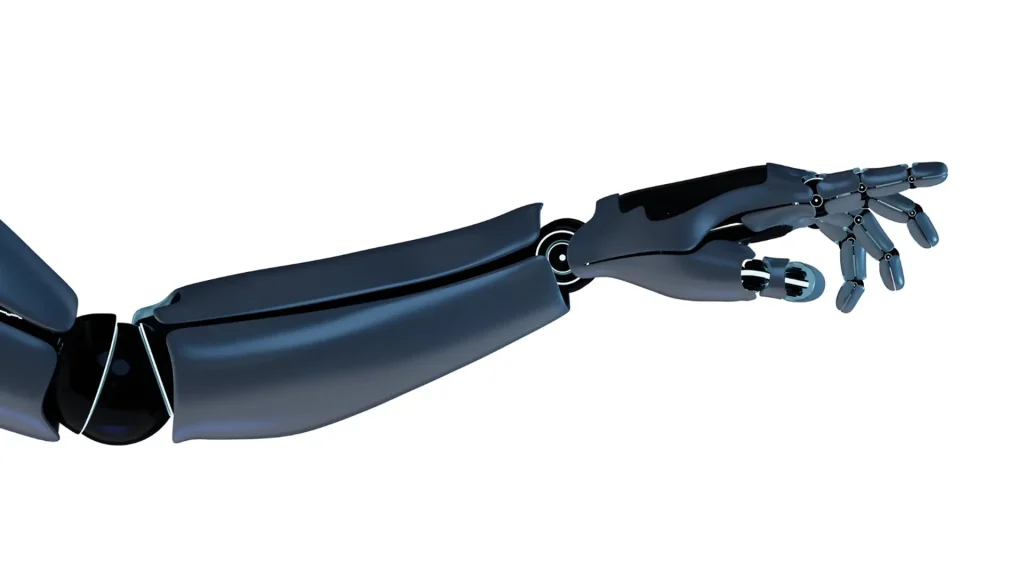
Body-powered hands use a harness-and-cable system that responds to shoulder and upper-arm movements, enabling the user to work with strength, durability, and reliable control.
Myoelectric Hand
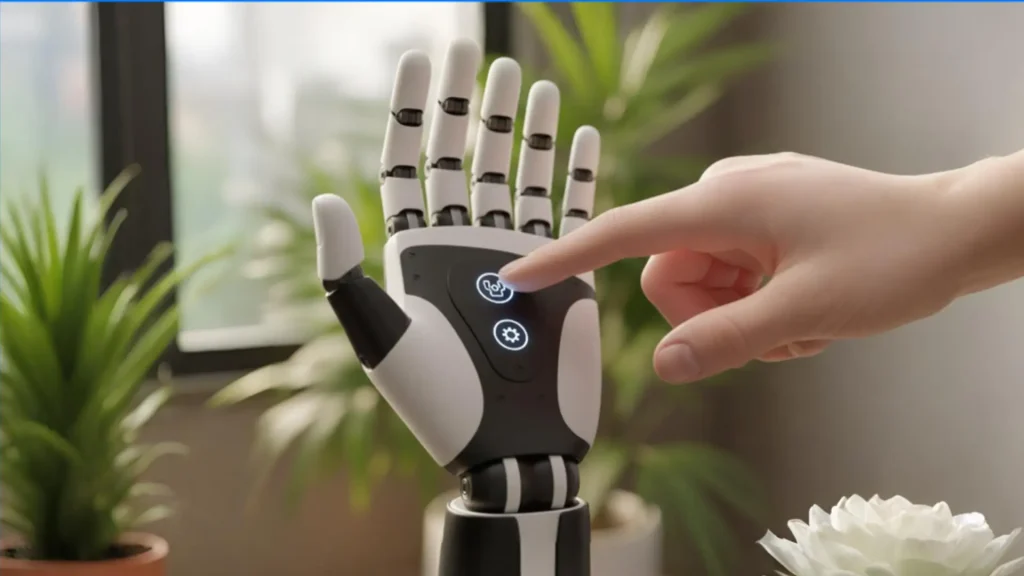
A myoelectric hand uses small electrical signals from the user’s muscles to move the hand. This allows smoother and more natural movements with controlled opening and closing.
Multi-Articulating / Bionic Hand
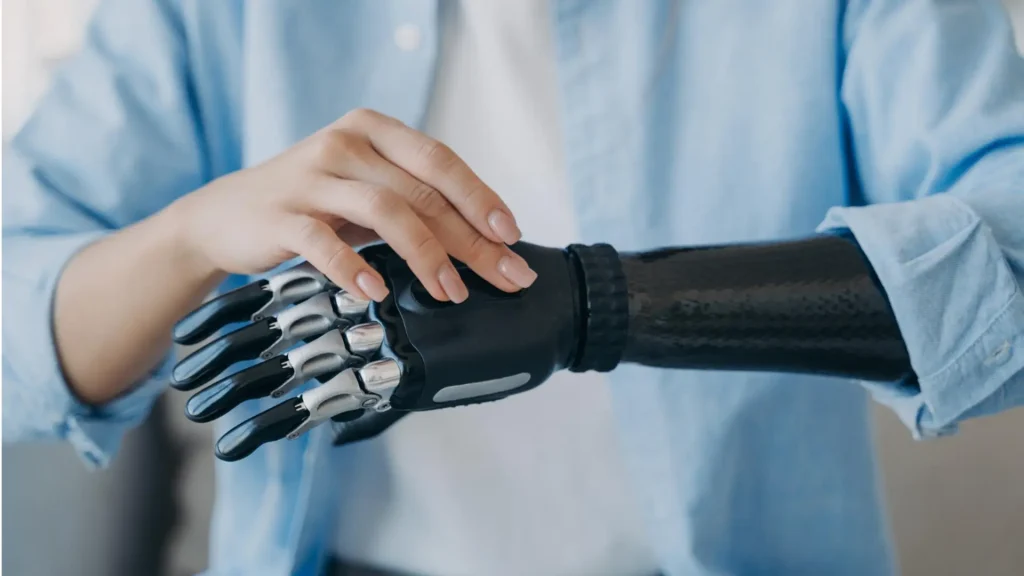
A bionic or multi-articulating hand can be used, with each finger moving separately. It offers higher-grip alternatives that enable more accurate handling and better control of most activities.
Passive / Cosmetic Hand
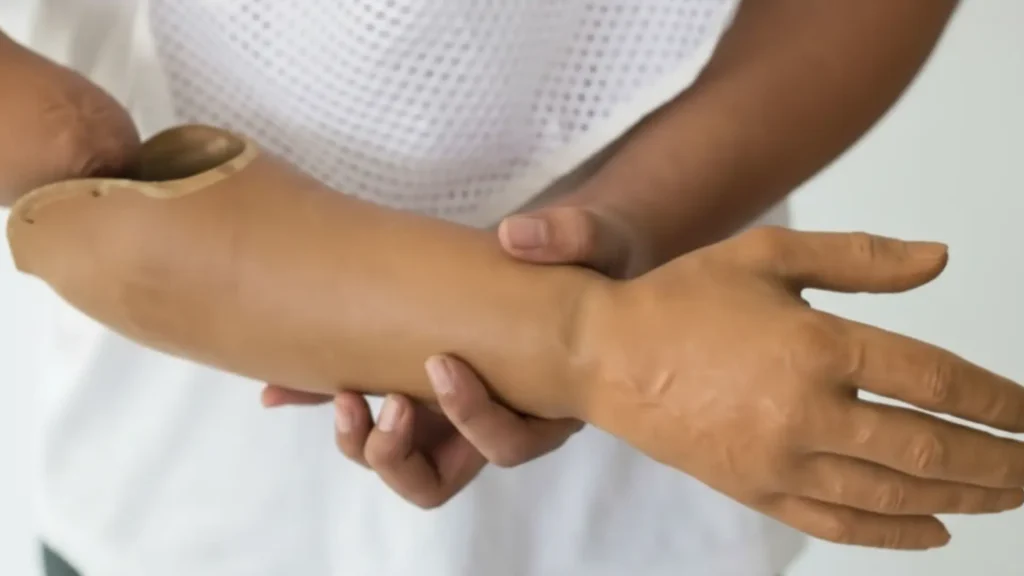
A passive hand is designed to look like a natural limb. It supports balance, provides light assistance, and helps users feel confident in social and professional settings.
Activity-Specific Hand
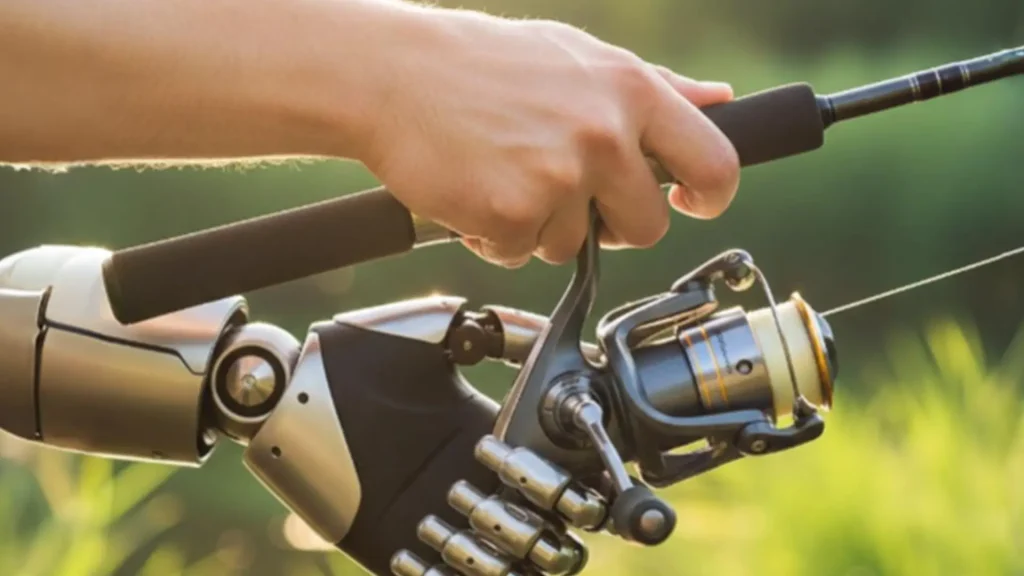
These hands are built for specialised purposes. Here are just some examples of Sports or Hook Prosthetic Hands, which can be designed to be steady and hold on to biking, gym exercises, or certain sports. This type of hand enables people to carry out their desired tasks in a more controlled, safe and comfortable way.
Amputation Level and Choosing the Right Prosthetic Hand
Partial Hand Amputation
The fingers or even a part of the palm is amputated, leaving behind most of the hand. Some of the challenges that partial hand amputees face are;
- Weak holding grip because of fewer functional fingers.
- Fine skills like writing, typing, buttoning or working with small objects are difficult.
- Imbalance or poor coordination when performing activities such as lifting, cutting, or tying knots.
- The process of fitting prosthetics may be complicated by the diversity of finger/stump shapes and the remaining tissue.
- It might be challenging or painful to wear gloves, or even to use something designed to cover a whole hand.
- Rehabilitation and adaptation can be prolonged
- Amputees may experience phantom sensations or pain
Suitable Prosthetics: Finger prosthesis, partial hand prosthesis, silicone restorations, bionic finger systems.
How it works: Restores grip, pinch, and object holding by replacing missing fingers while using the remaining hand muscles for control.
Wrist Disarticulation
The amputation is at the wrist, where the forearm is not amputated. Problems faced by such amputees could include;
- Precision and power tasks that need a hand cannot be done, or are difficult to do
- Dual tasks such as cooking, typing and opening jars are difficult.
- The prosthesis could be longer and bulkier.
- During the adjustment, emotional reactions such as frustration or self-consciousness may occur.
Suitable Prosthetics: Body-powered prosthetic hand, myoelectric hand, cosmetic hand.
How it works: Sensors or cable systems enable gripping and object manipulation; the socket fits over the forearm for strong control and comfort.

Below-Elbow (Trans-Radial Amputation)
The amputation is performed at the level of the hand, extending to the level below the elbow, retaining the elbow and the upper arm. This is the most common type of amputation and can fit a variety of hands, wrists, sockets, etc., and deliver the best prosthetic results.
- Day-to-day activities such as cooking, dressing, and moving things, can prove difficult initially but amputees can overcome the challenge with sufficient training
- Bilateral coordination is minimised, and the two-handed tasks are more time-consuming.
- Prosthetic control needs adequate muscle strength and training to work.
- Depending on the shape of the muscles, the length of the stump and skin sensibility, socket fit and comfort may differ.
- Excessive or repeated work can result in pain or skin irritation, or pressure on the residual limb.
- The prosthetic side has a lower lifting capacity than the natural arm.
Suitable Prosthetics: Body-powered arms, myoelectric arms, hybrid systems, activity-specific prosthetics.
How it works: Uses forearm muscles or sensors to operate an artificial wrist and hand for daily activities like writing, lifting, or typing.
Loss of the extremity (Above-Elbow) (Trans-Humeral Amputation).
Amputation above the elbow requires a prosthetic hand with an elbow joint unit for improved reach and functionality.
- Elbow and hand loss make everyday activities and motions more challenging and necessitate new methods to undertake them.
- A prosthetic arm requires practice and training to control the elbow and the hand.
- Even with a prosthesis, lifting strength and coordination will not be fully restored on the affected side.
- The residual limb should be comfortable, as heavy or repetitive activity can cause pressure and skin irritation.
- With rehabilitation and support, as well as the appropriate prosthetic solution, emotional adjustment is time-consuming, yet it is possible to overcome this issue.
Suitable Prosthetics: Multi-joint myoelectric arms, body-powered elbows + hands, hybrid prosthetic arms.
How it works: The Prosthetic elbow and hand work together through muscle signals or cables to allow bending, reaching, gripping, and picking up objects.

Shoulder Disarticulation
With this type, the entire arm is removed.
- When the whole arm is lost, one side of the body loses its natural balance, so posture and movement are not the same until it adapts.
- The missing side cannot be used to carry anything with straps or handles, which makes people depend more on the other arm.
- Body movement can influence the fit of the prosthesis because its stability and comfort depend on chest and torso support.
- The control of multi-joint prosthetics requires more attention and energy, and can leave a person feeling tired earlier in the day.
- Without shoulder power, activities that involve the strength of the upper body, pushing, overhead reaching or pulling become restricted.
- Changes in upper-body control and balance may necessitate special features in driving or cycling, as well as specialised training.
Suitable Prosthetics: Full upper-limb bionic prosthesis, microprocessor-controlled prosthetics, cosmetic prosthesis.
How it works: Sensors placed on the torso and opposite shoulder control arm movement, elbow bend, and grip, helping the user perform essential tasks and improve body balance.
The best artificial hand for handicapped person depends on how much of the limb is present and the movements they want to perform in daily life.
Factors to Keep in Mind While Choosing a Prosthetic Hand
Choosing an artificial hand for handicapped people is a personal journey coupled with good clinical experts & guidance. Things that help make the right decision include understanding daily activities, ensuring the weight and comfort of the hand, checking the level of grip strength required, selecting appearance preference, level of amputation & stump condition, receiving proper training after fitting and exploring future upgrade options.
With modern artificial hand technology, users can select a hand that truly matches their goals and comfort.
The Prosthetist’s Role
One of the key players in helping handicapped users acquire the right artificial hand is a prosthetist. They spend time learning a person’s lifestyle, job, interests, muscle strength, comfort, and future goals. With this, good training and occupational therapy are essential in ensuring the user learns to operate the prosthetic hand with confidence and utilise it successfully in their daily lives. The user is provided with a well-fitting, easy-to-use hand that promotes day-to-day independence with their assistance. Having the right prosthetist with you makes the process less difficult, more comforting, and more hopeful.

Why KARE Prosthetics
At KARE Prosthetics, we provide a wide range of artificial hand for handicapped users and advanced prosthetic devices for upper limb loss. We also provide assistance from the initial visit through long-term use of the prosthesis, including assessment, personal crafting, daily use, and follow-up to make changes when necessary.
You want to go back to work, find your favourites, or just live day by day with ease and confidence, and KARE is there with you step by step, helping with your ambitions, your achievements, and your free will.