Are you trying to rebuild daily life after limb loss, with less pain and more freedom? Modern prosthetics limb care can change your routine, step by step, with better fit, safer walking, and steady confidence.
You want a limb that feels secure all day. You want movement that looks natural. You want less skin pressure, fewer falls, and better energy use. So, we’ll break down what modern prosthetic care does in real life in India, and how you can plan your next move with clarity.
Modern prosthetic care now focuses on comfort, control, and long-term use. Clinics use precise fitting, advanced components, and structured training. As a result, you walk better, tire less, and return to work sooner. Plus, you protect your back, hips, and good leg from overload.
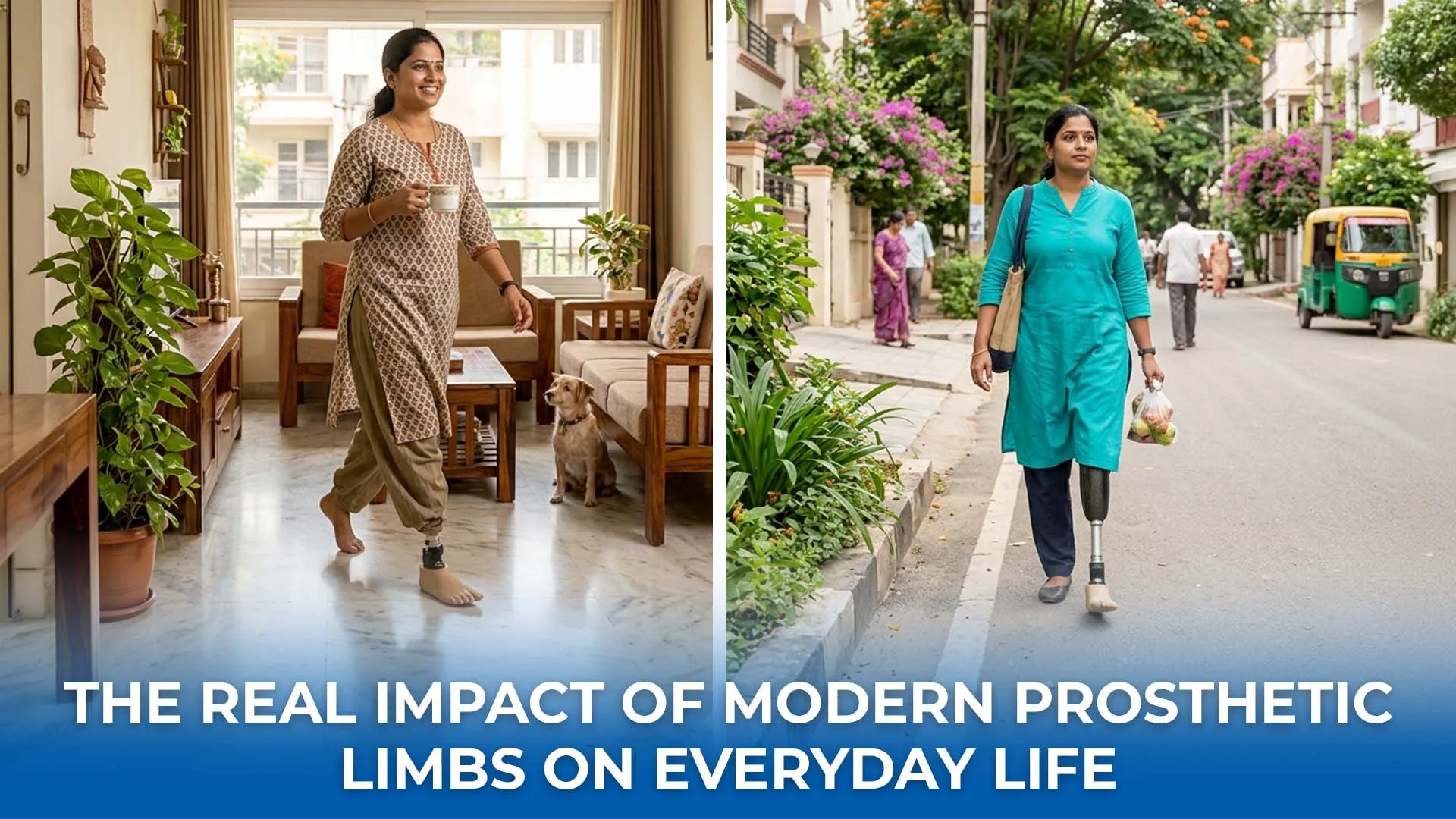
The Real Impact Of Modern Prosthetic Limbs On Everyday Life
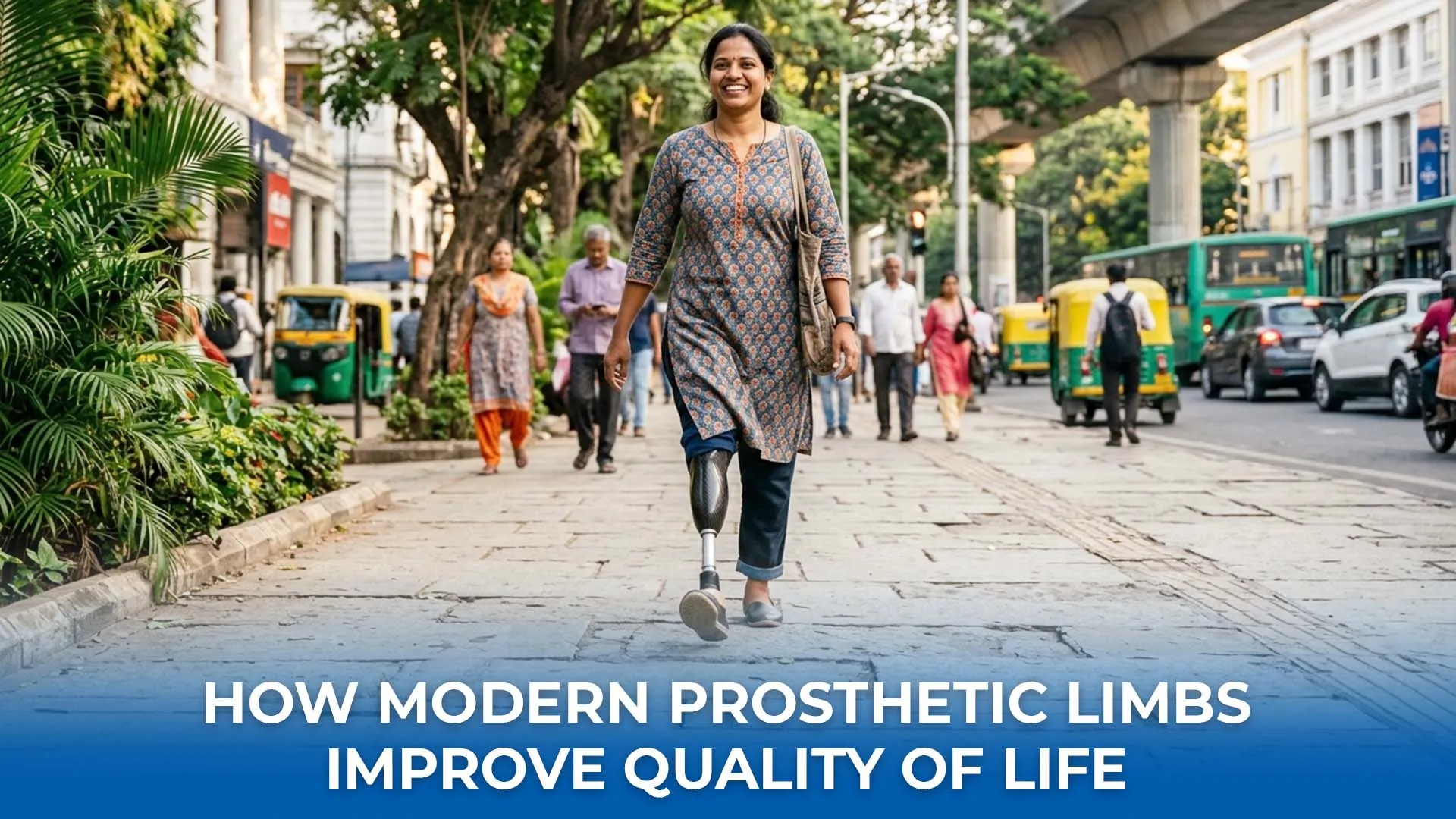
Modern prosthetic care changes daily life in ways you can measure fast. You walk with better balance, you spend less energy, and you manage common tasks with less fear. With the right fit and training, you also move more naturally across stairs, slopes, and busy streets.
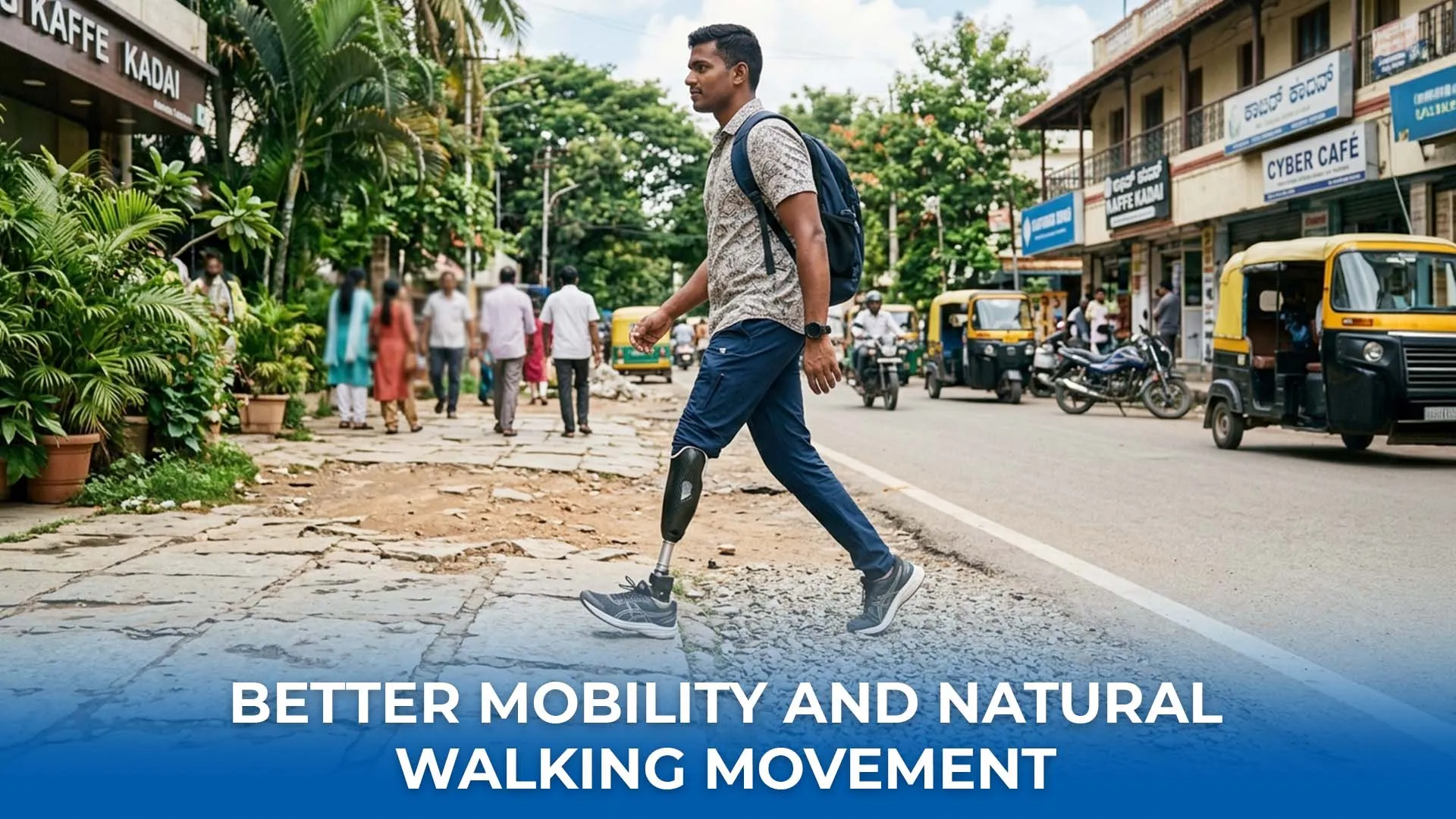
Better Mobility And Natural Walking Movement
Your gait changes after limb loss. However, you can train it back with the right build. A modern prosthetics limb setup uses a stable socket fit, aligned joints, and tuned stiffness. So your pelvis stays level. Then your stride stays smooth. Also, your knee control improves on uneven roads.
A strong prosthetic plan starts with alignment. Your clinician checks leg length, foot angle, and weight shift. Then you practise step timing and stance control. Over time, you reduce limping patterns that cause back pain. You also lower fall risk during turns and quick stops.
You may need a prosthetic leg for mobility that supports your daily route. In India, that route often includes stairs, slopes, and crowded footpaths. So you need grip, rollover, and shock control. With the right foot and pylon, you save energy and protect joints.
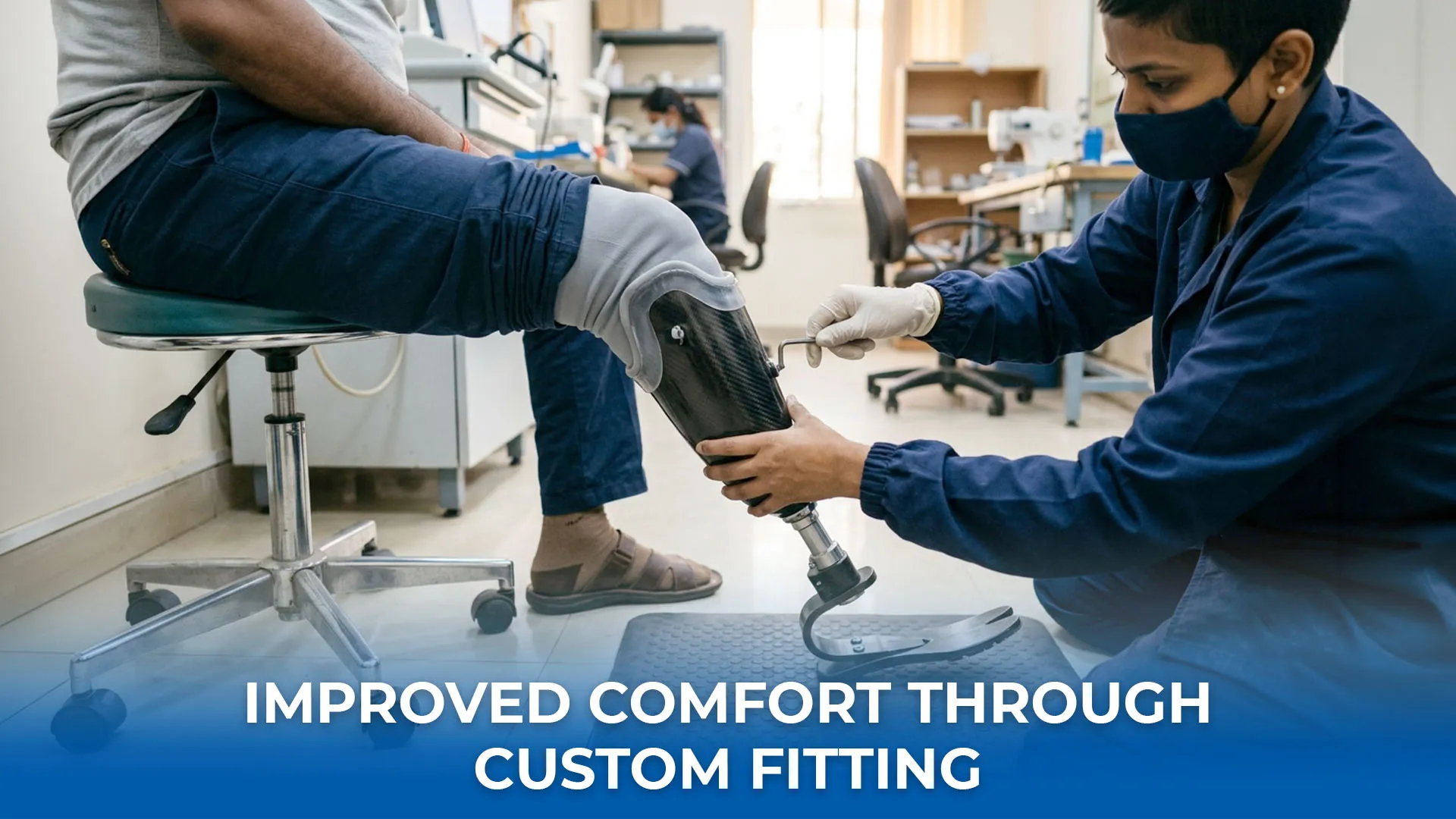
Improved Comfort Through Custom Fitting
Comfort starts with the socket. The socket holds your residual limb. So even a small pressure point can ruin your day. Clinics now use digital measurements, shaped liners, and careful trim lines. As a result, you get better contact and fewer skin issues.
A modern prosthetics limb fit also depends on suspension choice. Some people prefer vacuum systems. Some prefer pin-lock liners. Others prefer straps for easy use. Your clinician picks the safest option for your skin, volume changes, and lifestyle.
Fit Element | What It Does For You | Best Use Case |
Total Surface Bearing Socket | Spreads load across the limb | Sensitive bony areas |
Vacuum Suspension | Improves grip and reduces limb movement | Active walking routine |
Pin-Lock Liner | Simple daily wear and removal | Quick home routine |
Cushion Liner | Reduces friction and shear | Skin prone to blisters |
Adjustable Socket Panels | Supports volume change during the day | Swelling or weight shift |
Also, your clinician checks heat build-up and sweat control. In Indian weather, sweat can loosen suspension and irritate skin. So you may need a breathable liner, better hygiene steps, and planned rest breaks.

Greater Independence In Daily Activities
Independence comes from repeatable movement. You stand, sit, turn, and climb without fear. You carry groceries without wobbling. You step into a bus with better control. You manage washroom routines with less stress.
This change starts when you follow a rehab plan, not random practice. Your care team trains weight shift, balance reactions, and safe falls. Then you add stairs, ramps, and outdoor walking. Soon, you move with less support from your family.
The benefits of prosthetic limb use show up in small wins first. You walk to the gate. Then you shop nearby. After that, you return to your commute. Each stage builds your confidence and reduces dependency.
A clinical study assessing health-related quality of life in prosthesis users found 81.4% scored high in physical health. The same clinical study found 76.7% scored high in mental health indicators after prosthetic rehabilitation.

Higher Confidence And Social Participation
Social life gets harder when you fear stares or slips. Yet confidence grows when your walk looks steady and your limb feels secure. A modern prosthetics limb build helps you stand tall. It also helps you move without sudden catches.
Confidence also comes from clothing comfort. A better socket profile reduces bulk. A better knee unit reduces awkward swing. As a result, you dress easier and move through crowds without panic.
Plus, your care team can coach safe public movement. You learn how to handle wet floors, uneven tiles, and busy crossings. Then you start saying yes to work meetings and family functions again.

Support For Active And Athletic Lifestyles
Many people want more than basic walking. You may want gym training, yoga, or light sport. Modern designs support these goals with tuned feet, better energy return, and stable joints.
If you use a microprocessor knee, it can adapt resistance during slope walking. If you use a dynamic response foot, it can store and release energy. So your step feels lighter and smoother. Still, your clinician must match parts to your weight, activity, and safety needs.
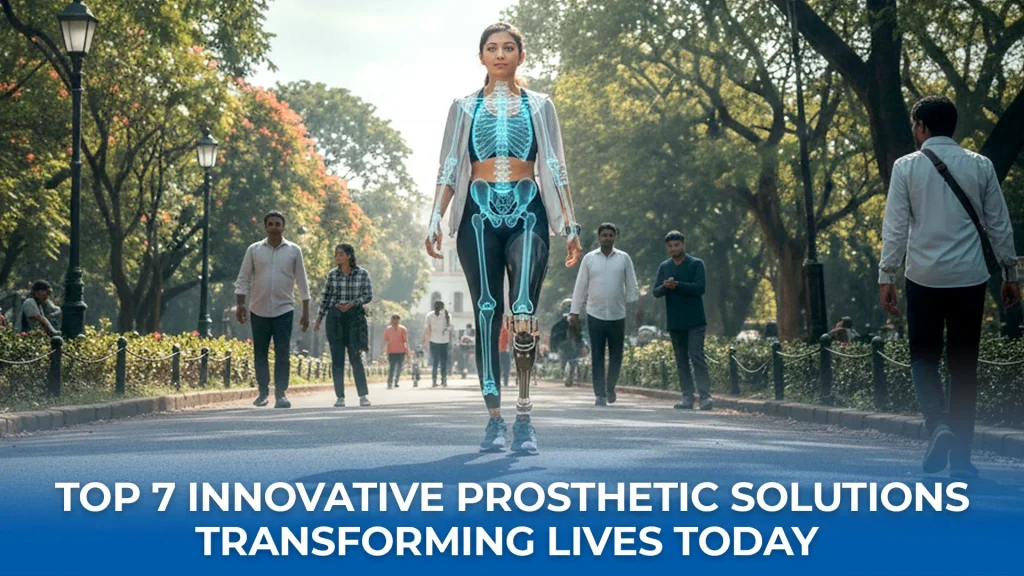
This is where advanced prosthetic technology helps. It supports stable stance, safer descent, and smoother swing control. Yet technology alone does not fix gait. You still need training, repetition, and progress checks.
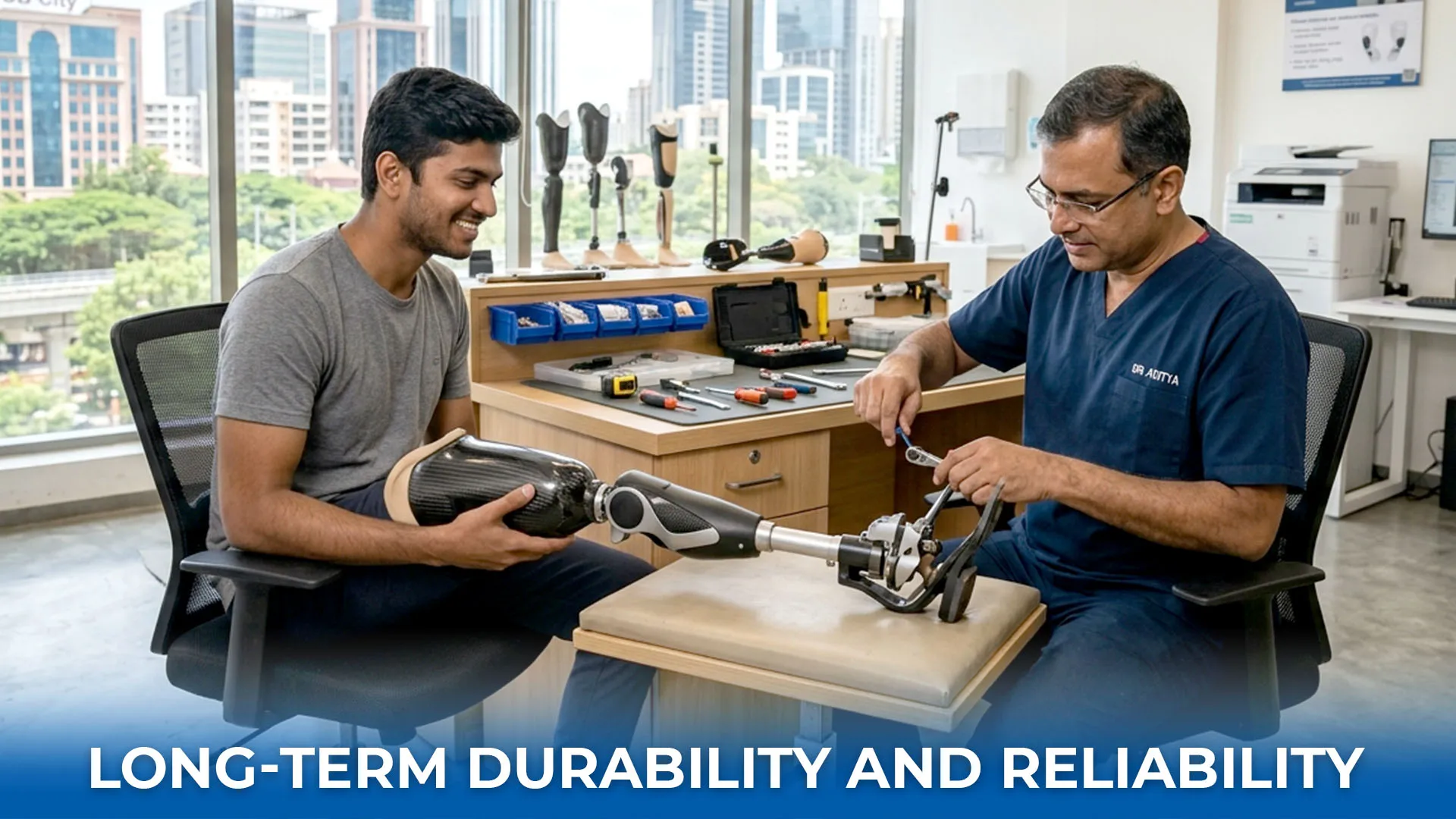
Long-Term Durability And Reliability
Long-term use depends on build quality and follow-up care. Your socket fit changes as your limb volume changes. Your foot wears down with heavy use. Your liners lose elasticity. So your clinic must re-check fit and alignment.
Also, you need skin checks, stump care, and strength work. Your hip and core muscles keep your pelvis steady. Your balance system keeps you safe. As a result, you protect your remaining joints and reduce pain.
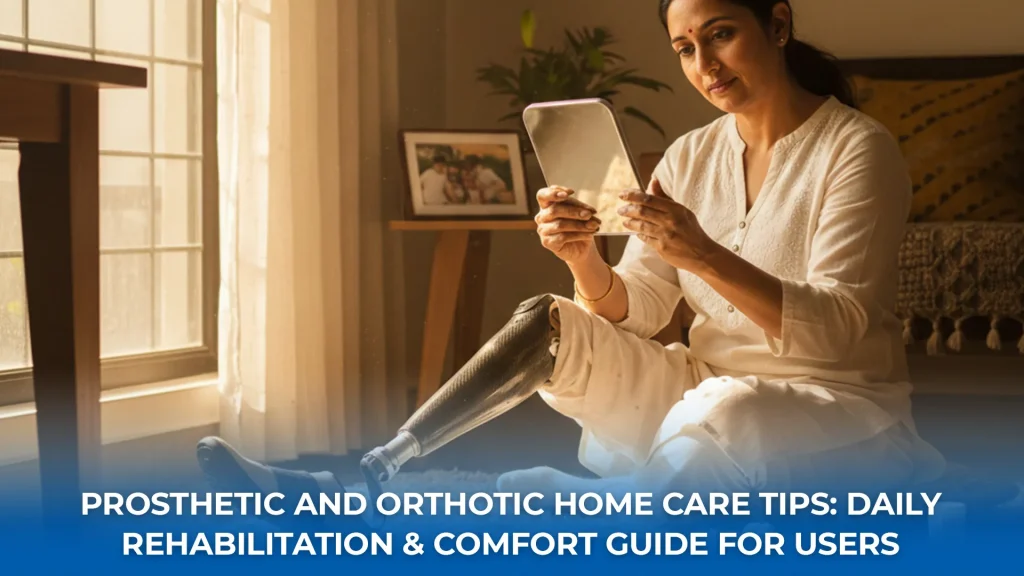
A modern prosthetics limb plan also includes realistic maintenance. You clean liners daily. You check screws and straps. You track skin redness. Then you report issues early. This routine prevents bigger setbacks.
Research from the NIH’s NCBI medical database shows that quality of life improves significantly after lower-limb amputation when patients use prosthetic limbs during rehabilitation and after about 3 months of recovery.
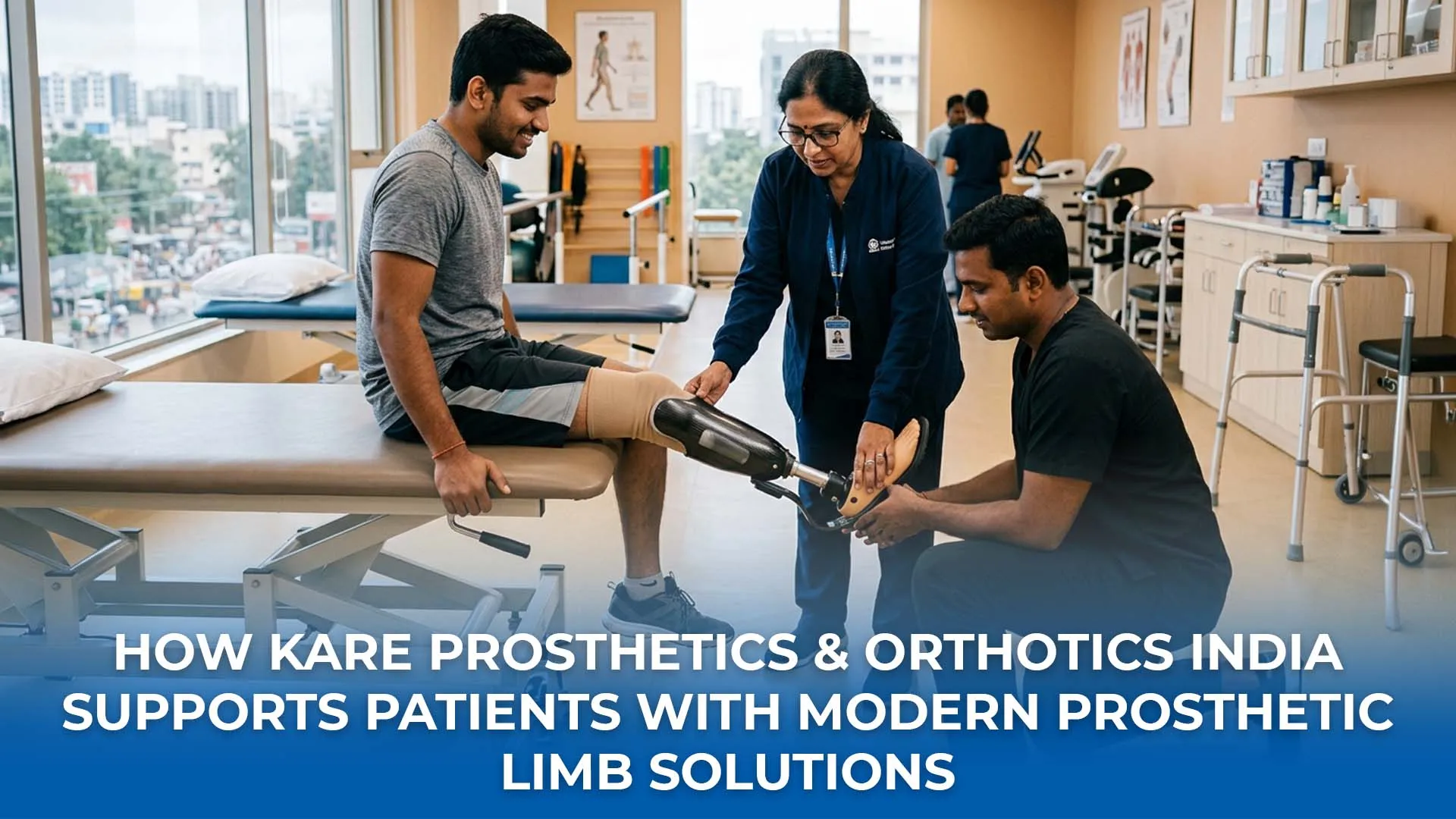
How Kare Prosthetics & Orthotics India Supports Patients With Modern Prosthetic Limb Solutions
Karepo India (KARE Prosthetics & Orthotics) provides advanced prosthetics and orthotics in India, with custom prosthetic legs, orthotic support, and flat foot solutions. Our team matches devices to your daily needs, not a generic template. We also plan life after amputation support through staged fitting and guided training.
In this phase, we check your residual limb shape, skin status, and muscle strength. Then our team selects socket style, suspension, and foot type. After that, you practise safe walking patterns with support.
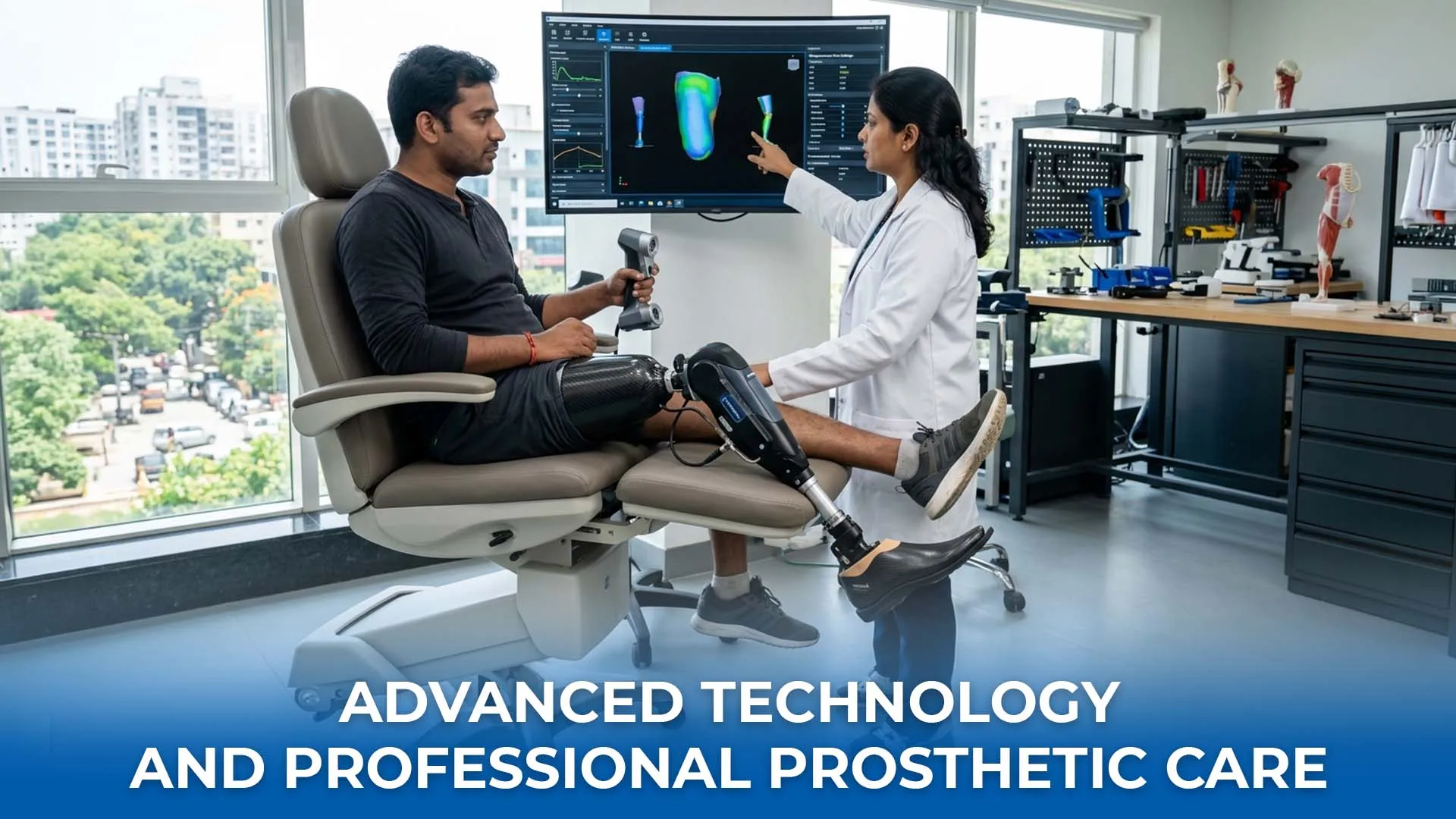
Advanced Technology And Professional Prosthetic Care
Karepo India delivers international-quality Prosthesis and Orthosis for people with disabilities. Our clinic focuses on fit precision, durable components, and long-term follow-ups. This protects your skin and improves control.
- International-quality prosthetic and orthotic care with global-grade components
- Fully customised prosthetic solutions based on lifestyle and mobility goals
- Certified and experienced clinical team, including American Board-certified clinicians
- Complete care pathway from evaluation to fitting, training, and adjustments
- Access to advanced prosthetic technology for smoother gait and better stability
- Patient-first follow-ups that strengthen long-term comfort and confidence
This approach supports prosthetic rehabilitation with clear milestones. It also focuses on the benefits of prosthetic limb use in real life, such as safer walking, stable posture, and daily independence. Many patients also seek a prosthetic leg for mobility that fits Indian terrain. Karepo India plans that fit and keeps checking it.

Final Thoughts
Quality of life improves when your limb feels secure, your gait looks steady, and your routine feels normal again. Start with a proper evaluation. Then follow a structured rehab plan. Also keep regular follow-ups, because fit changes with time.
If you want a clinic-led plan with custom fitting and long-term support, connect with Karepo India and move forward with modern prosthetics limb. Let’s build your next step together with KARE.
FAQs
How do modern prosthetic limbs help parents?
Modern limbs reduce fatigue and improve balance. Parents manage childcare, school runs, and household work with safer walking and less daily dependence.
What technologies are used in advanced prosthetics?
Clinics use digital scanning, custom socket moulding, microprocessor knees, vacuum suspension, microprocessor feets, carbon-fibre parts, and AI-based gait tuning for better control.
Can prosthetic limbs restore normal mobility?
Many users regain near-normal walking with correct fit and training. Consistent rehab improves stride timing, posture, and confidence across different surfaces.
How long does it take to adapt to a prosthetic Limb?
Adaptation varies by fitness and limb condition. Many people walk better after structured prosthetic rehabilitation and steady practice over several weeks.
Are modern prosthetics comfortable for daily use?
Comfort improves with a customised socket, suitable liner, and correct alignment. Regular adjustments prevent pressure points and protect skin during long wear.