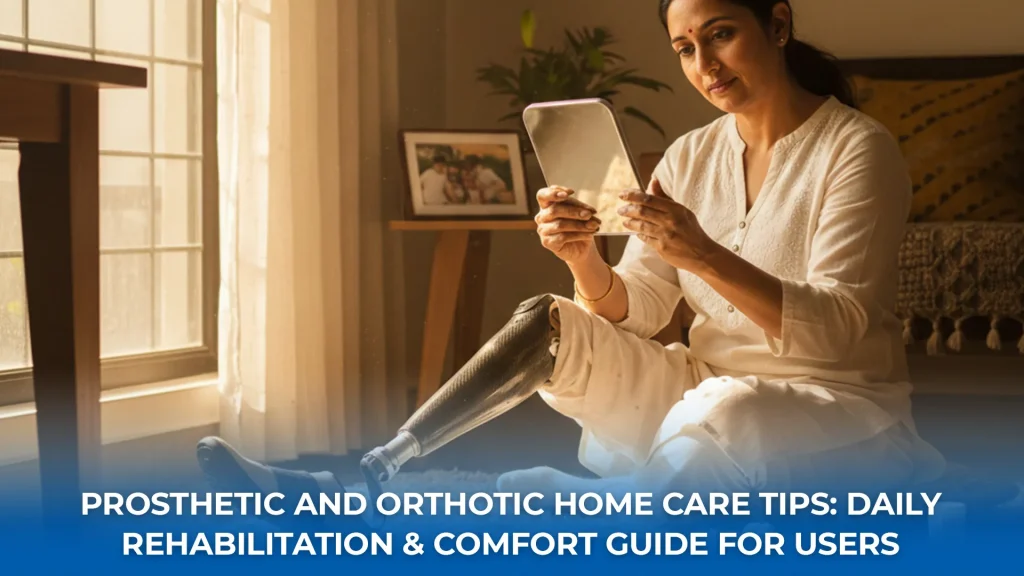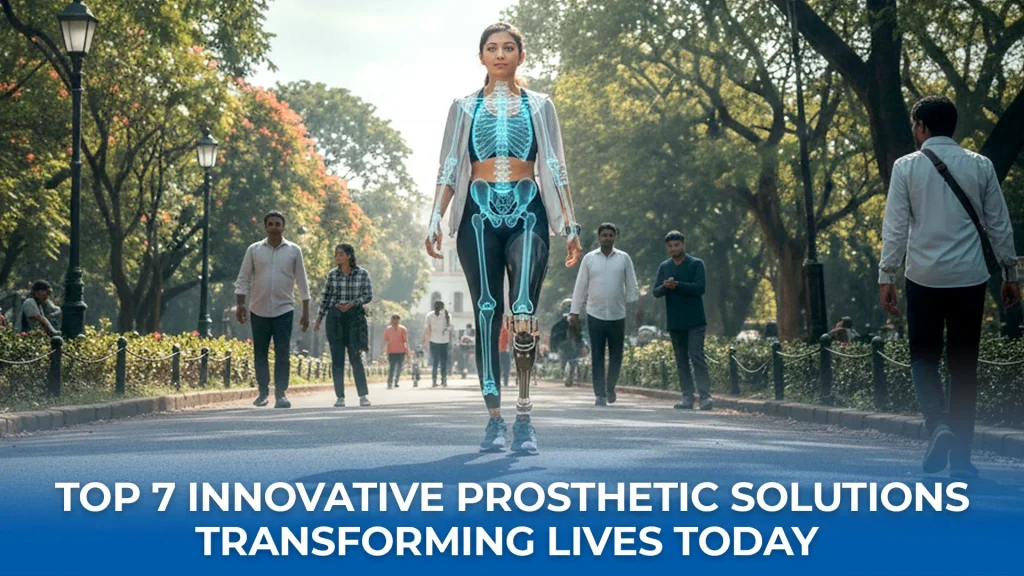
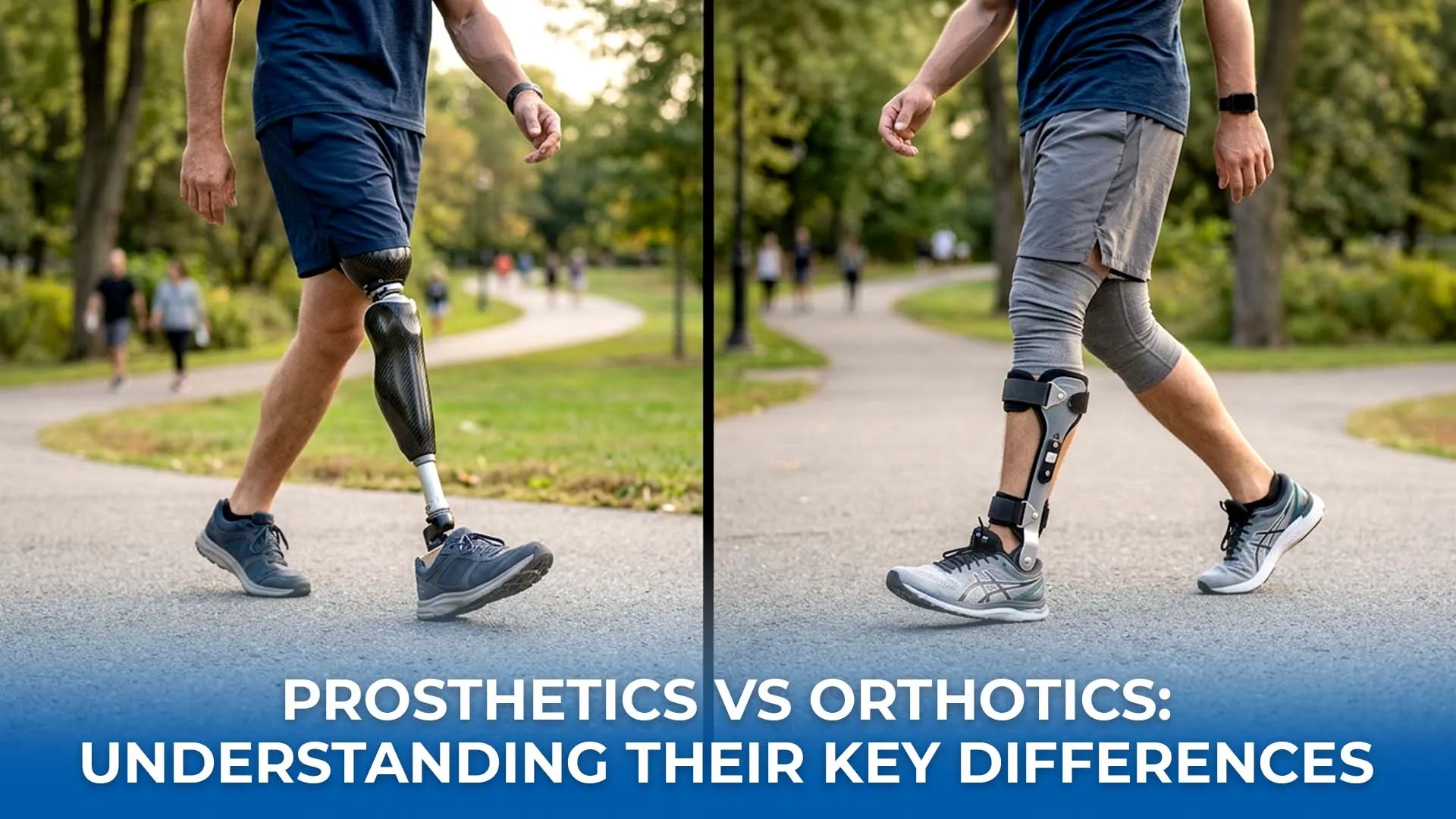
Are you struggling to walk, stand, or balance after injury or limb loss? You deserve clear options that match your body and daily routine. In clinics, patients mix up prosthetic vs orthotics because both support mobility. Yet each device serves a different goal. One replaces a missing limb. The other supports a weak joint or foot. When you pick the right one, you move with less pain. You also feel safer on stairs, roads, and uneven floors.
In India, you see more road injuries and diabetes cases each year. So, you also see more demand for a prosthetic and orthotic device in rehab care. We’ll explain what each solution does, where it fits, and how it improves comfort.
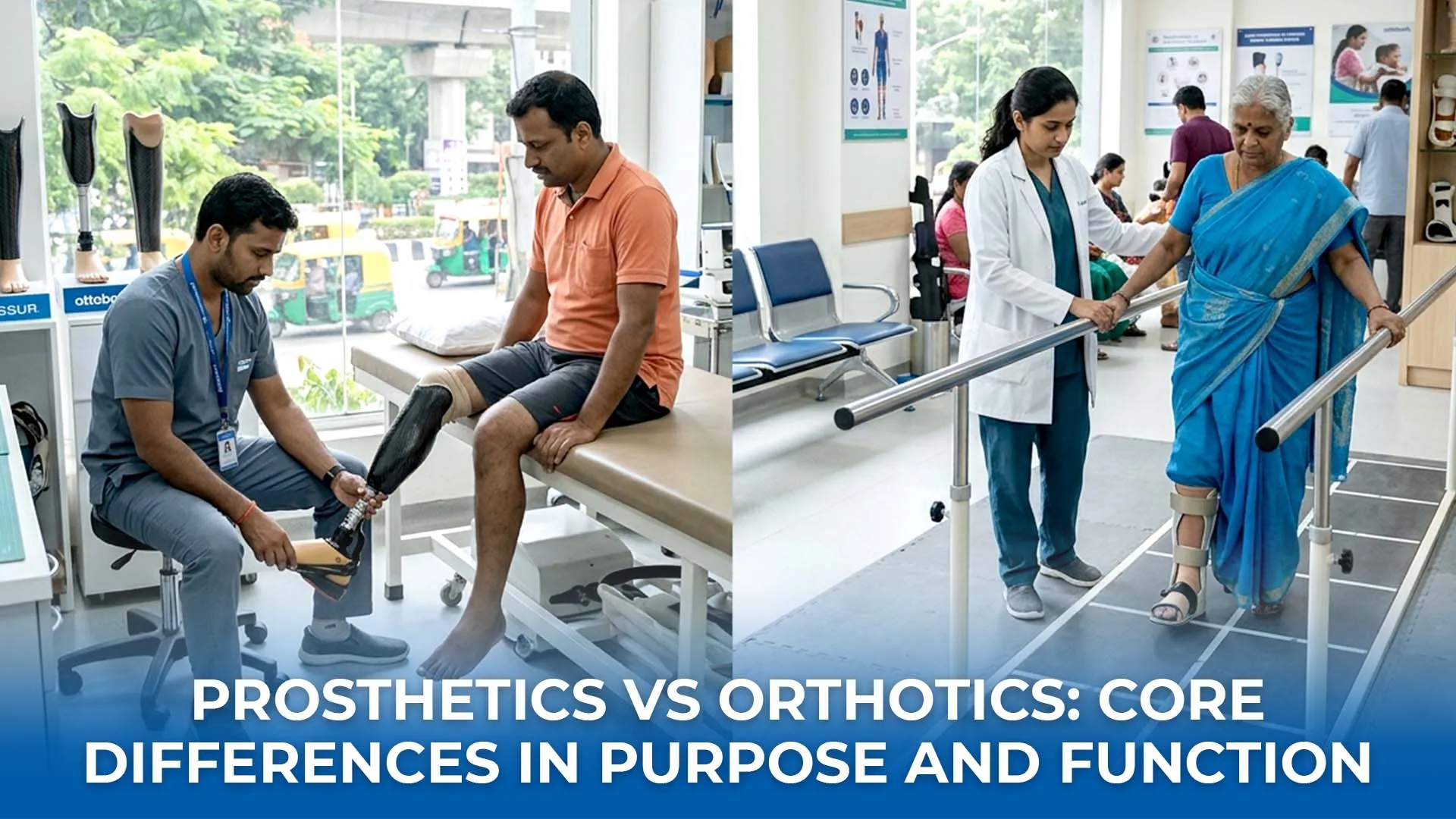
Prosthetics vs Orthotics: Core Differences in Purpose and Function
Before you compare brands or prices, focus on one point. You need clarity on the difference between prosthetics and orthotics for your condition. Prosthetics replace a lost body part. Orthotics support an existing body part. Doctors and clinicians choose based on limb status, muscle strength, joint control, skin health, and walking pattern.
Here is a comparison you can scan fast.
Aspect | Prosthetics | Orthotics |
Main purpose | Replace a missing limb segment | Support or align an existing limb |
Common users | People with amputation | People with weakness, pain, deformity |
Examples | Artificial leg, hand, silicone feet or hand | Insoles, ankle brace, knee brace, spinal brace |
Key goal | Restore function and safe gait | Improve stability, reduce strain |
Rehab focus | Socket fit, suspension, gait training, stump conditioning | Alignment, pressure control, muscle support |
This table also frames prosthetics limb vs orthotic brace in daily terms. When a limb segment is missing, you need a prosthesis. When the limb stays present but weak or misaligned, you need an orthosis. Clinicians may combine both in complex cases, so you still get a stable gait.
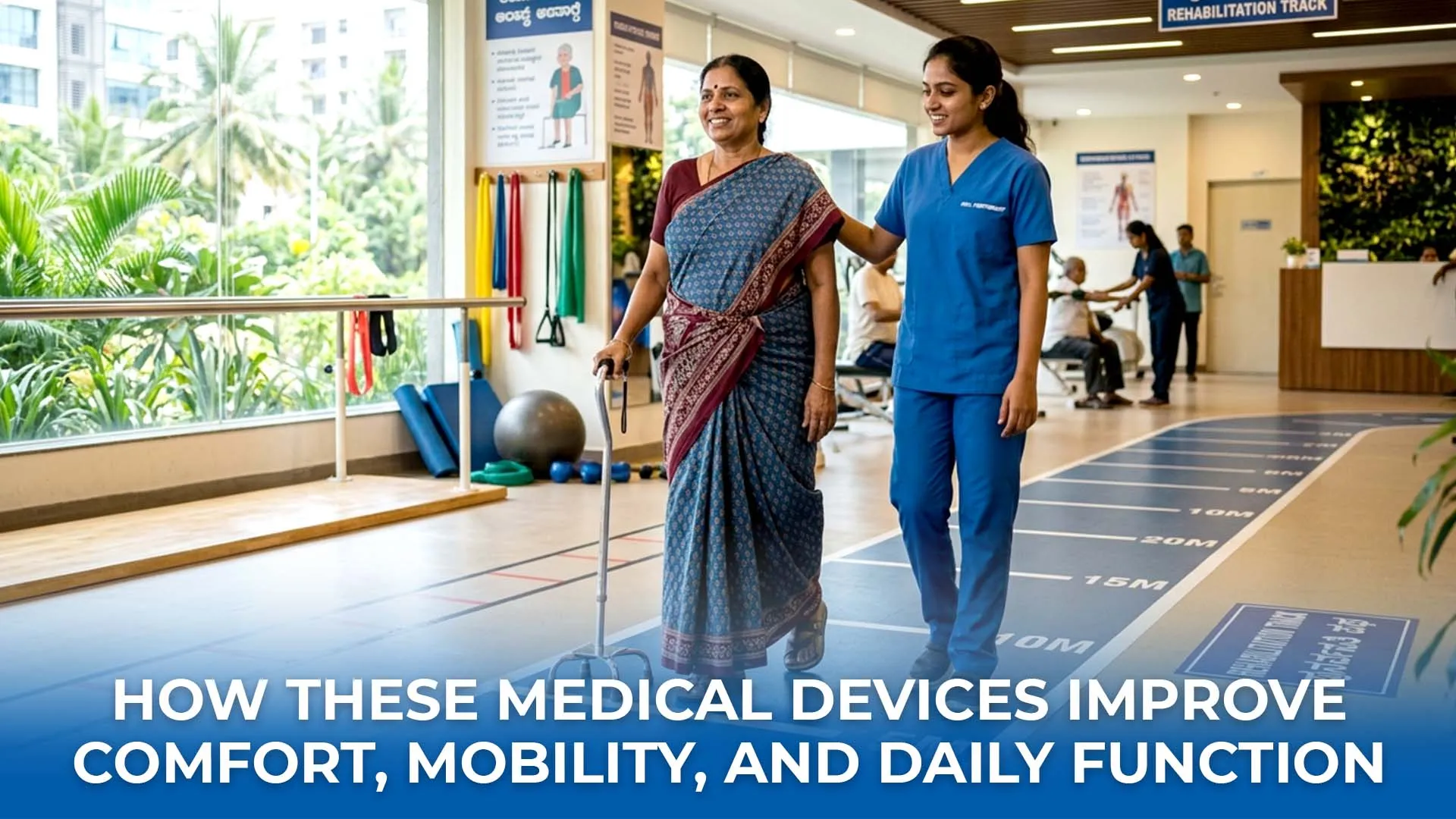
How These Medical Devices Improve Comfort, Mobility, and Daily Function
Comfort comes from fit, alignment, and load sharing. A poor fit causes skin breakdown and pain. A tight fit spreads pressure across safer zones. So, clinicians start with assessment, then design, then training. You benefit when the device matches your lifestyle, footwear, work demands, and floor surfaces.
About 250 million people in India require assistive technologies, including prosthetic limbs, orthotic braces, and mobility aids. That scale pushes clinics to refine processes and materials. You now see better socket designs, better brace joints, and better foot support shells. You also see more focus on skin care and pressure checks. In simple terms, the right assistive mobility device reduces energy waste. It lets you walk more with less fatigue.
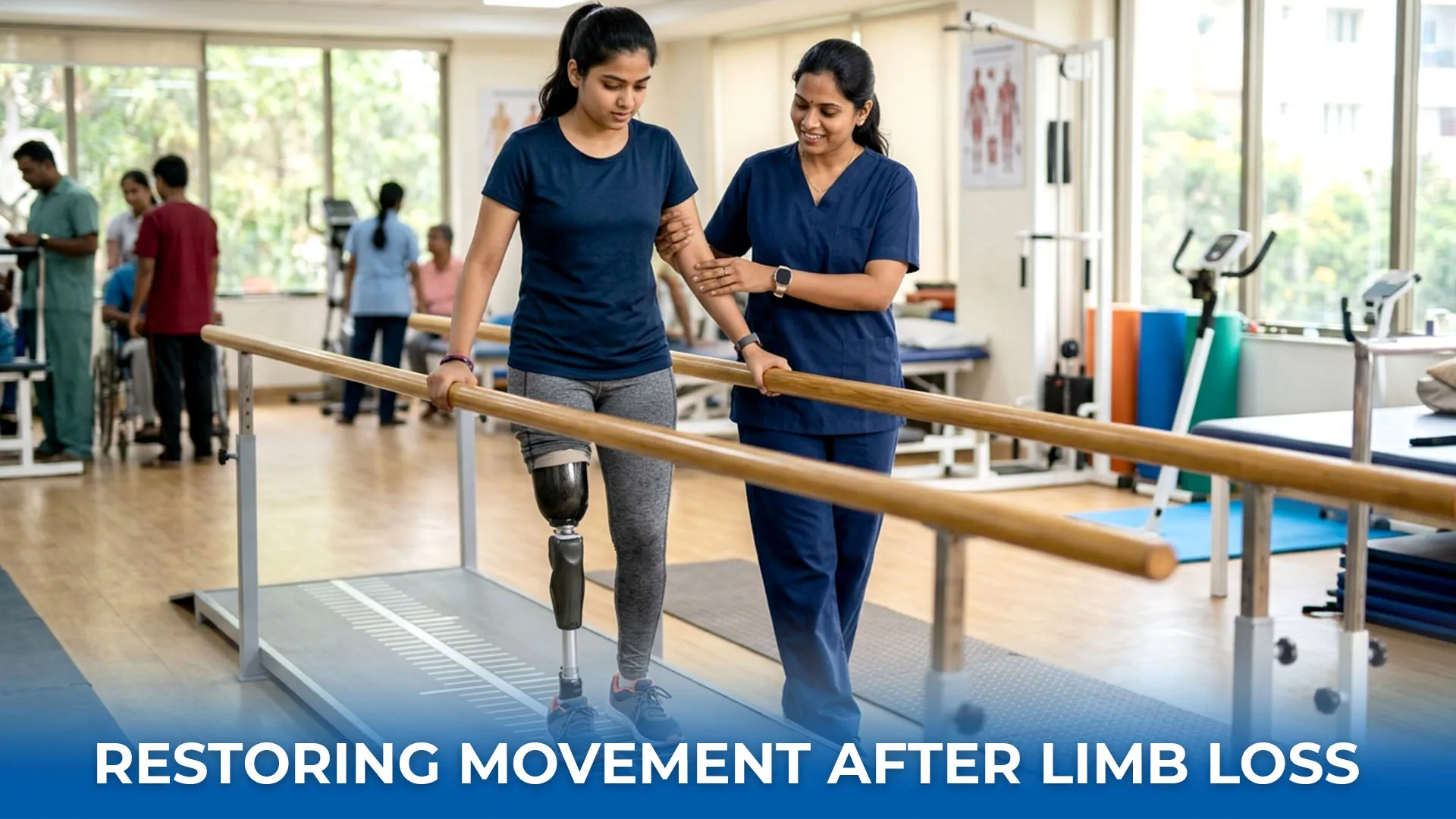
Restoring Movement After Limb Loss
After amputation, your body loses a lever arm. So, your hip and back take extra load. A well-built prosthesis restores length and stance support. You get safer foot placement and better step timing. The goal stays simple. You stand, walk, and sit with control.
Clinicians often use gait training drills, step practice, and balance cues. They check socket comfort, liner grip, and suspension hold. They also tune foot stiffness based on your weight shift pattern. When tuning stays right, you reduce stump pain and improve stride flow.
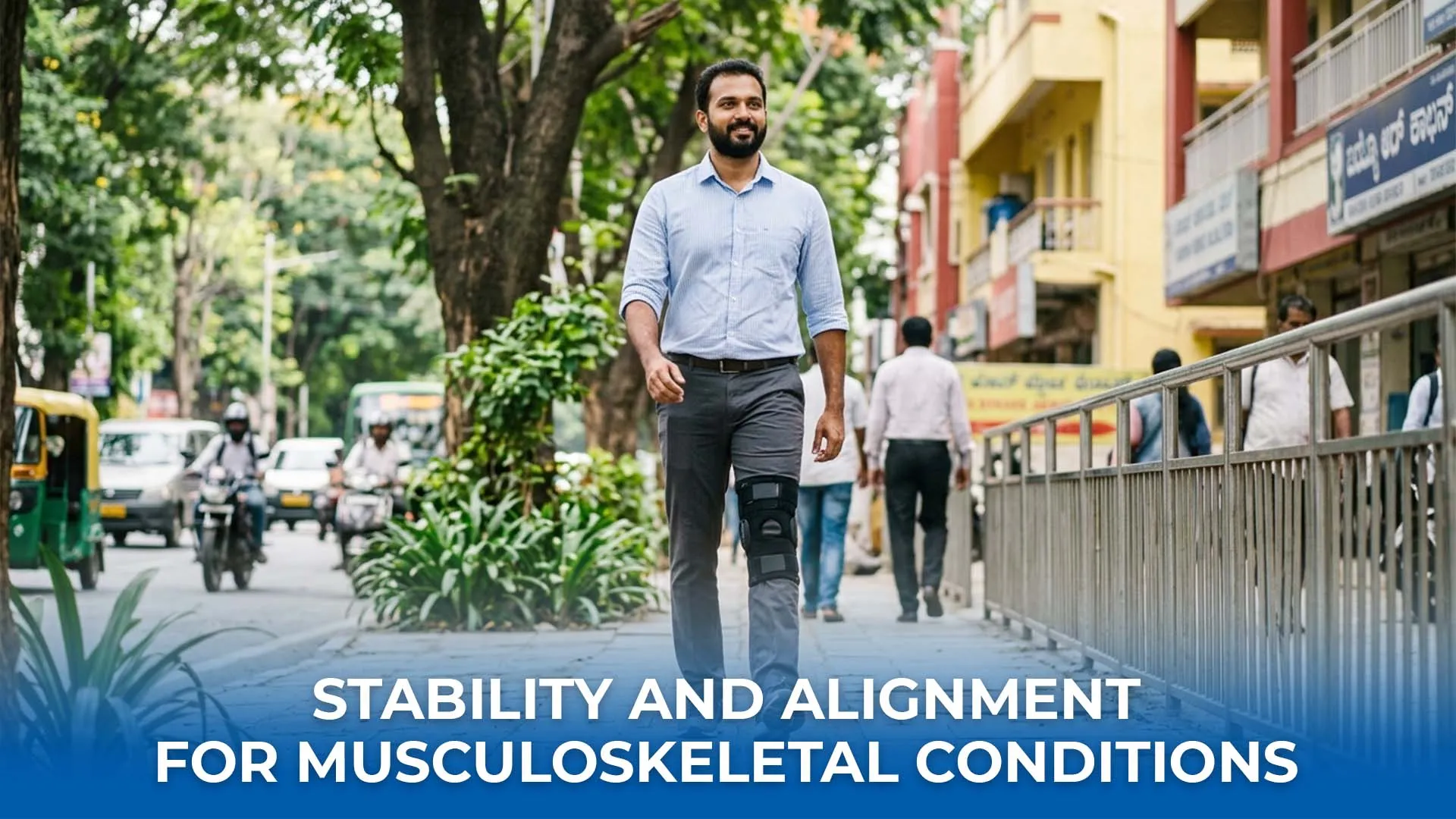
Stability and Alignment for Musculoskeletal Conditions
Many patients keep their limb but lose control at the ankle, knee, or spine. Flat feet, ankle instability, and knee valgus can change walking lines. Orthotic braces correct that path. Foot orthoses support arches and spread plantar pressure. An ankle-foot brace supports dorsiflexion and helps foot clearance.
In understanding prosthetic vs orthotics, orthotics solve stability and alignment. This is the practical difference between prosthetics and orthotics. Prosthetics replaced. Orthotics support. Your clinician may add shoe modifications, wedge posting, or custom insoles. They may also use pressure mapping and gait video checks. These steps guide brace angle and foot shell contour. As a result, you reduce strain on the knee and lower back.
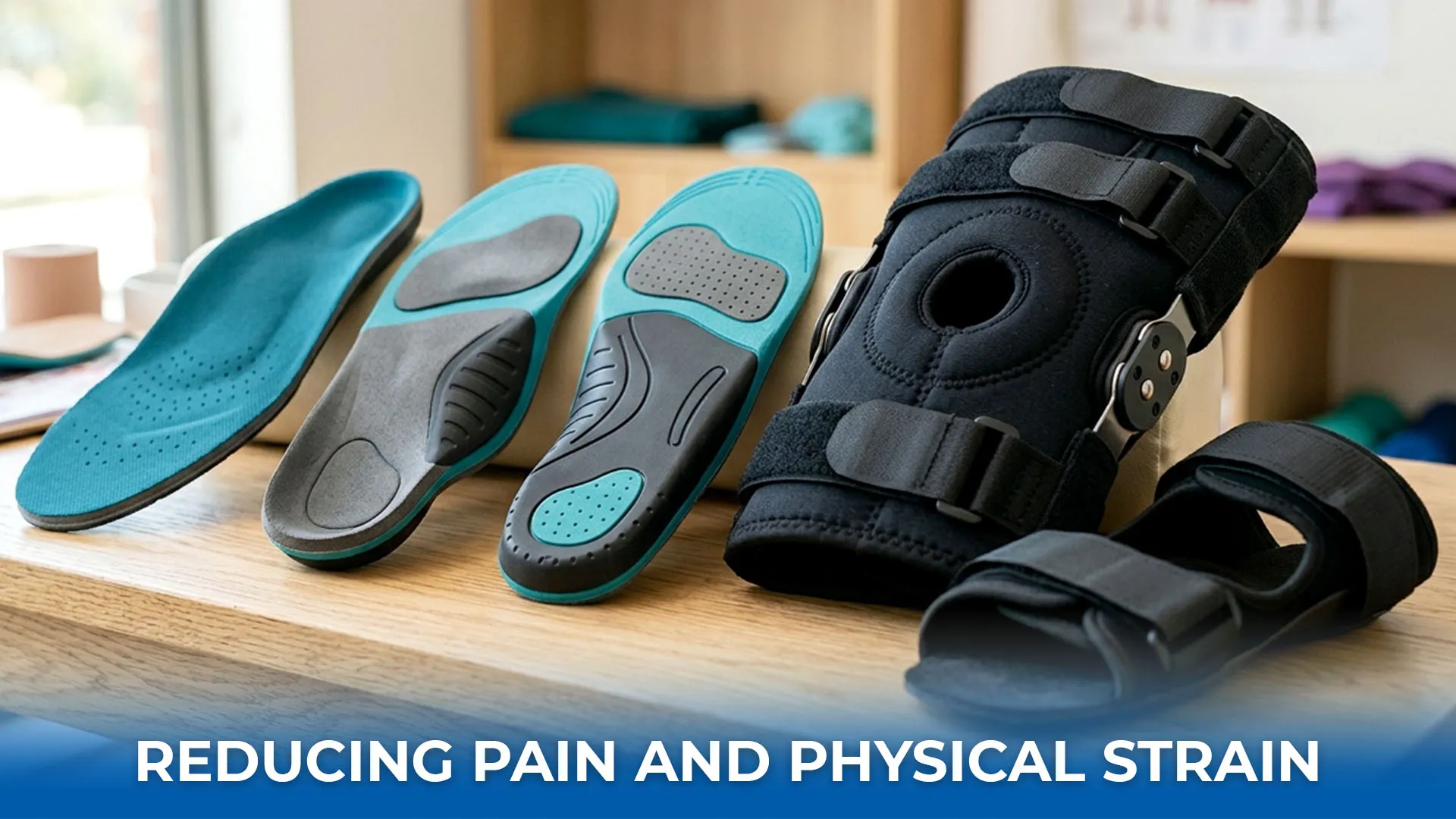
Reducing Pain and Physical Strain
Pain often comes from overload. When one joint compensates for another, it takes extra load and causes stress and pain. Orthotic support reduces stress by holding a joint in a safer zone. A good insole reduces heel pain and arch strain. A knee brace can support ligaments during walking. A spinal brace can reduce load during standing work.
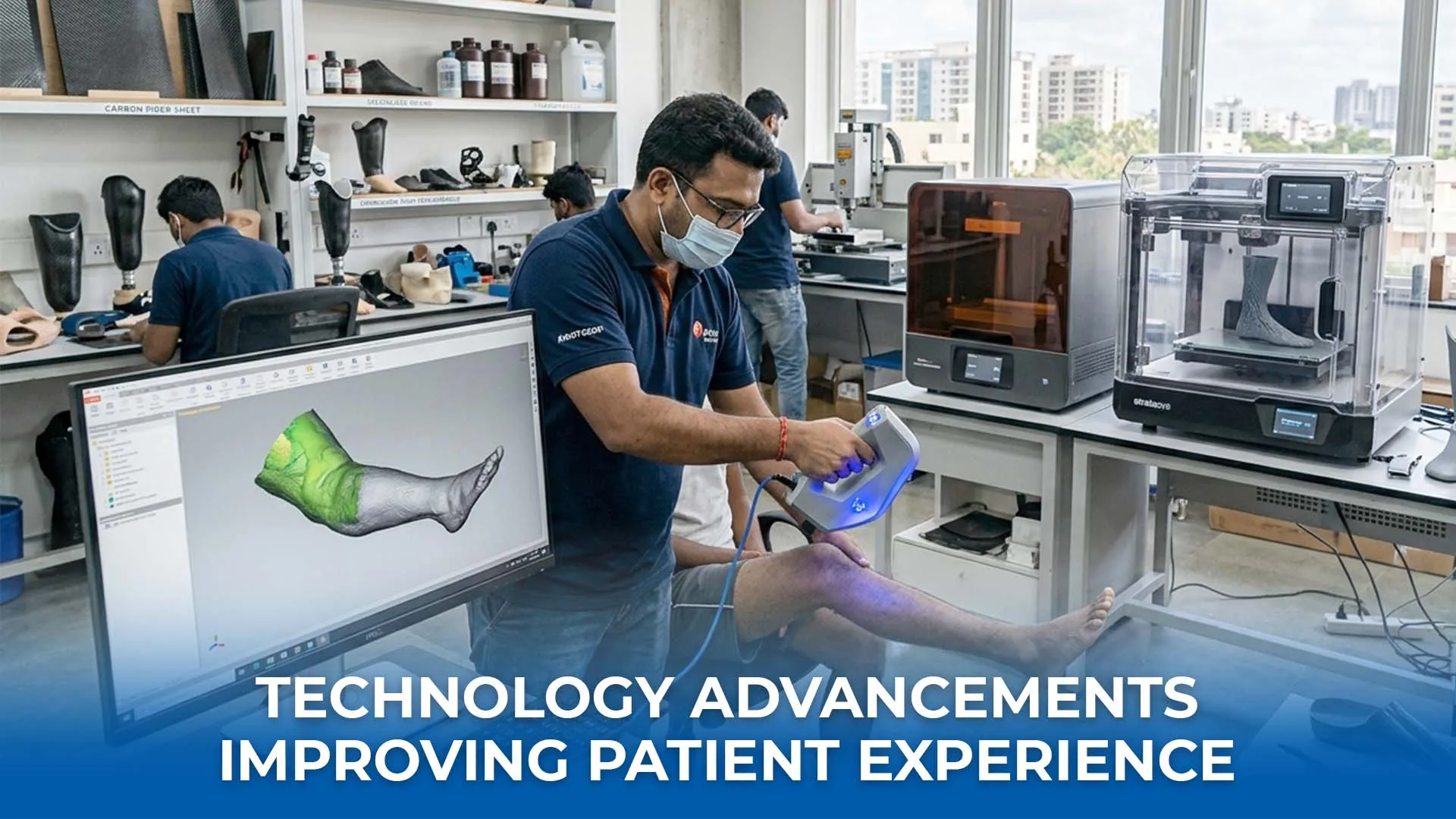
In prosthetics reduction of pain works differently. A snug fit socket spreads pressure across tolerable tissue. It avoids sharp pressure points on bony areas. Clinicians use casting, 3D scanning, and socket check sockets to refine fit. They also adjust alignment to reduce knee moments and hip hitching.
Improved Independence in Daily Activities
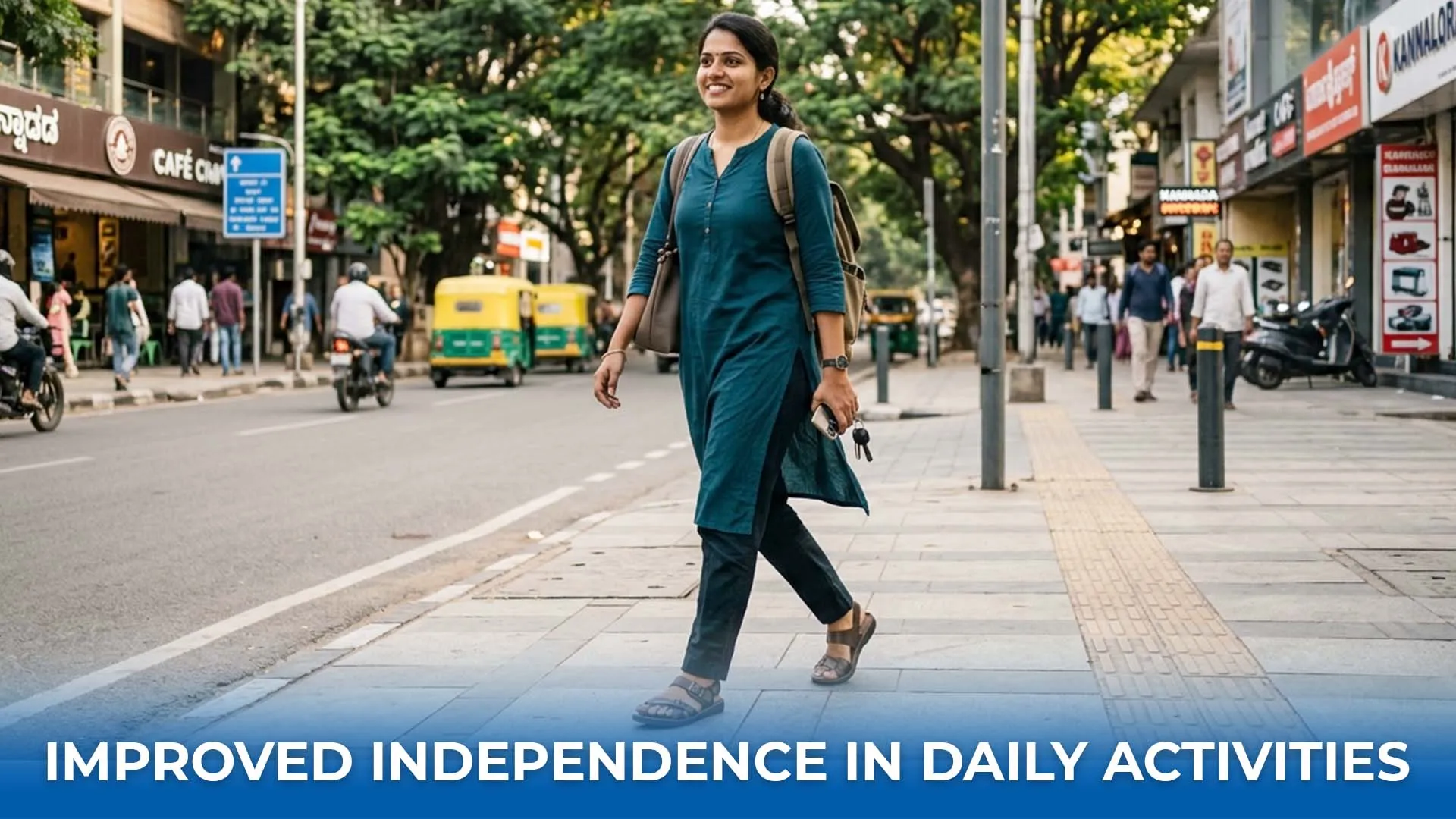
Independence means you can do routine tasks without fear. You walk to the market, step into a bus, and manage office stairs. A correct assistive mobility device supports that confidence. You get better stability during turns. You also get better control during sudden stops.
For amputees, prosthetics allow safe transfers and longer walking time. For flat foot and joint cases, orthotics reduce collapse and wobble. With better stability, you avoid falls and reduce fear.
Support for Rehabilitation and Long-Term Recovery
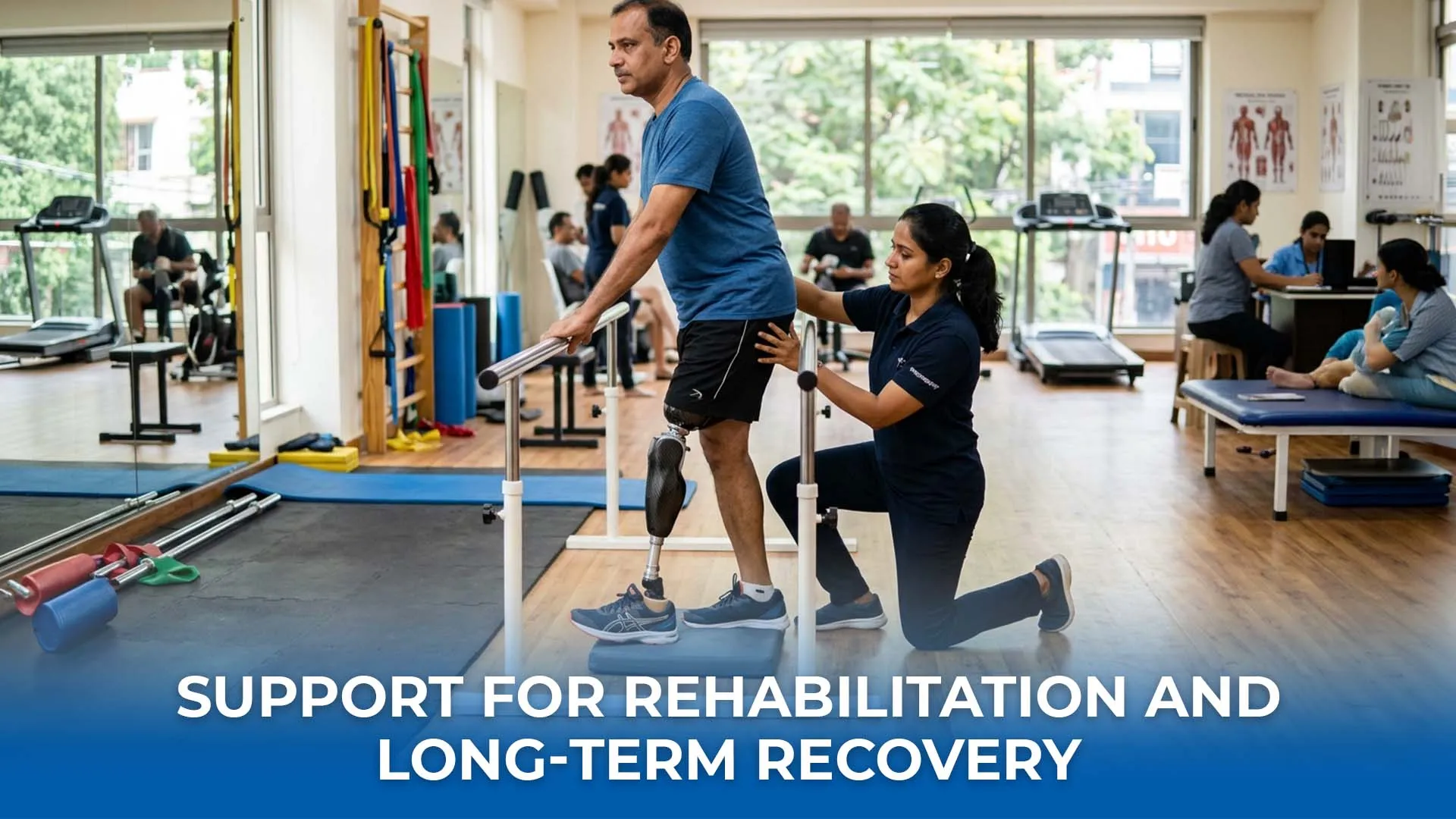
Rehab is a process. Clinicians start with assessment, then device selection, then training, then review. You need follow-ups because body tissue changes. Swelling reduces. Muscle strength improves. So, the device needs tuning.
In prosthetics, rehab includes gait drills, balance tasks, and socket comfort reviews. In orthotics, rehab includes strengthening work, stretching plans, and brace wear schedules. Clinicians may pair the device with physiotherapy for better outcomes.
Ongoing periodic check helps to protect skin and joints for both prosthetics and orthotics.
Technology Advancements Improving Patient Experience
Technology improves comfort when it improves fit, weight, and control. You now see CAD/CAM workflows for sockets and braces. You also see 3D scanning for shape capture. Many centres use dynamic alignment checks during walking. Some use microprocessor knee units for smoother stance control. Others use energy return feet to reduce fatigue.
India has more than 500,000 amputees, with about 23,500 new amputations added every year due to accidents, diseases, and injuries. Better materials, lighter composite shells, better liners, and stronger joint hinges are examples of some technological developments in the P & O field. For flat feet, you see better thermoplastic shells with smoother edges. These upgrades raise comfort and reduce skin risk.
Prosthetic and Orthotic Solutions from Kare Prosthetics & Orthotics
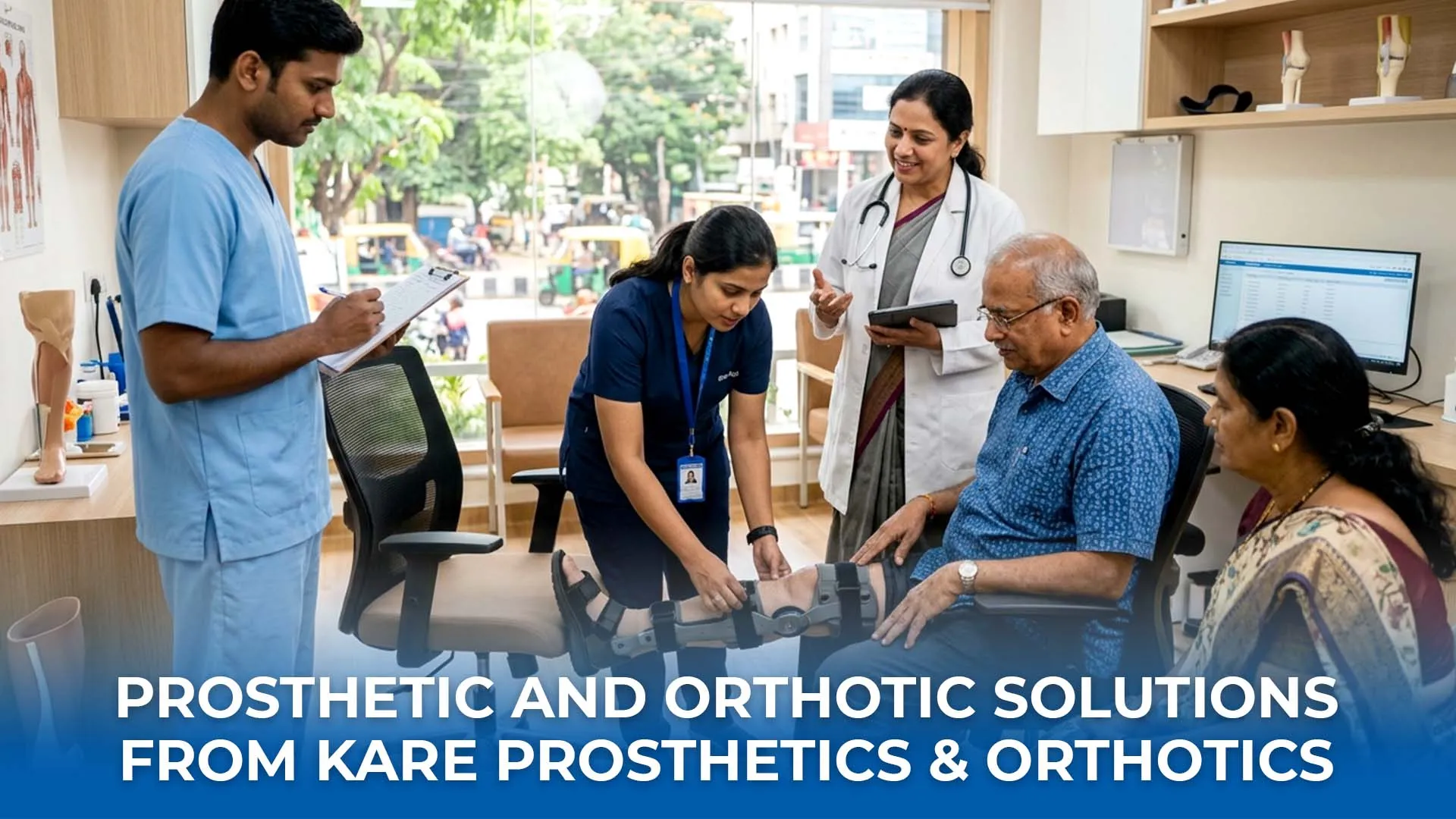
At KARE Prosthetics & Orthotics in India, we deliver advanced prosthetics and orthotics with clinic-led fitting. We focus on custom prosthetic legs, orthotic support, and flat foot solutions with international quality care. Our clinicians assess gait, limb shape, skin tolerance, and daily needs. Then we design, fit, and tune each prosthetic and orthotic device with follow-up care.
Our work supports people with disability needs across rehab stages. We use modern fabrication, controlled alignment checks, and training support. We also guide you on wear time, skin checks, and footwear pairing.
- Custom-moulded devices matched to your anatomy and routine
- International-quality clinical process with strong patient education
- Certified specialists with advanced prosthetics and orthotics exposure
- Advanced components and materials that improve comfort and control
- Rehab support with gait training and follow-up adjustments
- Special focus areas like diabetic foot care and paediatric cases
When Doctors Recommend Prosthetics or Orthotics
Doctors recommend prosthetics when you lose a limb segment due to trauma, infection, vascular issues, or diabetes complications. They also consider prosthetics for congenital limb difference. They refer you after wound healing and basic strength return. Then the prosthetist plans socket type, suspension method, and foot category.
Doctors recommend orthotics when you keep the limb but face weakness, pain, or deformity. Flat feet, foot drop, ligament injury, knee instability, and spine posture issues fit this group. Orthoses support alignment and reduce overload. In many cases, doctors use orthoses early to prevent worsening mechanics.
You may also need both. Some patients use a prosthesis on one side and an orthosis on the other side. Some use a prosthesis and a foot orthosis for the sound limb. This combined plan still fits prosthetic vs orthotics, because clinicians solve functions using the right tool for each limb.

Final Thoughts
You get better mobility when you choose the correct clinical solution. Prosthetics replace missing limbs and restore walking function. Orthotics support existing limbs and improve alignment. This guide clarifies the difference between prosthetics and orthotics.Talk to us at KARE for prosthetic or orthotic support that fits your life.
FAQs
What is the difference between prosthetics and orthotics?
Prosthetics replace a missing limb part after amputation. Orthotics support an existing limb, improve alignment, reduce pain, and improve stability.
Who needs prosthetic devices?
You may need prosthetic devices after limb loss from trauma, diabetes, infection, or birth conditions, when doctors plan rehab for safe walking.
When are orthotic braces recommended?
Doctors recommend an orthotic brace for flat feet, foot drop, weak ankles, knee instability, spine posture issues, and joint pain.
Can a patient use both prosthetics and orthotics?
Yes, a patient can use both prosthetics and orthotics together, when one limb needs replacement and another limb needs support.
How are prosthetic and orthotic devices customized?
Clinicians customize devices using assessment, casting or scanning, alignment checks, pressure review, trial fittings, gait training, and follow-up adjustments for comfort.