Do your feet carry your body weight the way they should? Most people do not ask that question until pain starts. A heel begins to ache. The arch feels tired by noon. The forefoot burns after a long day. In many cases, the issue does not start with the skin. It starts with load, movement, and timing.
That is where foot pressure mapping helps. It shows how your feet meet the ground and where force builds during standing and walking. So, instead of guessing, a clinician can work with actual data. For Indian patients who spend hours commuting, standing at work, or walking in hard-soled footwear, that kind of detail can change the whole orthotic plan.
Start With The Problem, Then Build The Right Support
A good orthotic does not begin with a ready-made insole from a shelf. It begins with your symptoms, your footwear, your daily routine, and your movement pattern. A clinician usually starts with a custom orthotic assessment. That review checks posture, ankle range, joint motion, arch shape, skin condition, and pain points.
After that, the clinician studies how you stand and walk. A simple visual check helps, yet it does not tell the full story. Numbers help. Timing helps. Pressure zones help. When those pieces come together, the orthotic starts to make sense. You get support where your foot needs it, not where a generic product says it should go.
Patients comparing support options can also check KARE’s blog on best orthotics in India.
Why Foot Pressure Mapping Changes Orthotic Design
Foot pressure data shows where your foot takes extra load during each step. This helps clinicians shape orthotics around your actual movement, pain points, and daily footwear needs.
Tracking High-Pressure Spots Under The Foot
Some pain points look obvious, but they can fool you. A sore forefoot may come from a tight calf. A painful heel may be connected to poor shock control. A callus under one toe may point to an unstable push-off. In other words, the surface problem often hides a deeper movement issue.
Here, foot pressure mapping gives a useful direction. It shows where pressure peaks and how long those areas stay loaded. That helps the clinician decide whether you need cushioning, offloading, or more control.
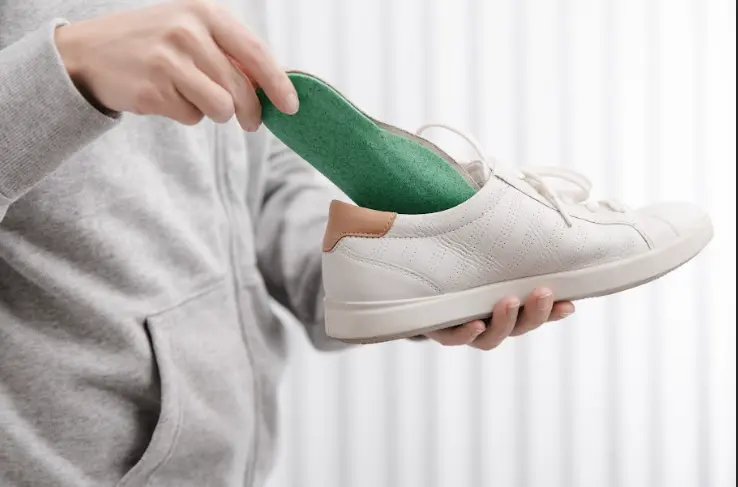
This is where pressure relief insoles come in. They spread force across a wider area. They reduce stress on one small spot. Still, they work best when the shape beneath them matches your foot mechanics. A soft layer alone rarely fixes the whole problem.
Reading Weight Shift In Standing And Walking
Standing tells one story. Walking tells another. A patient may stand evenly on both feet yet shift weight sharply to one side while moving. That difference matters because your body spends far more time moving than standing still.
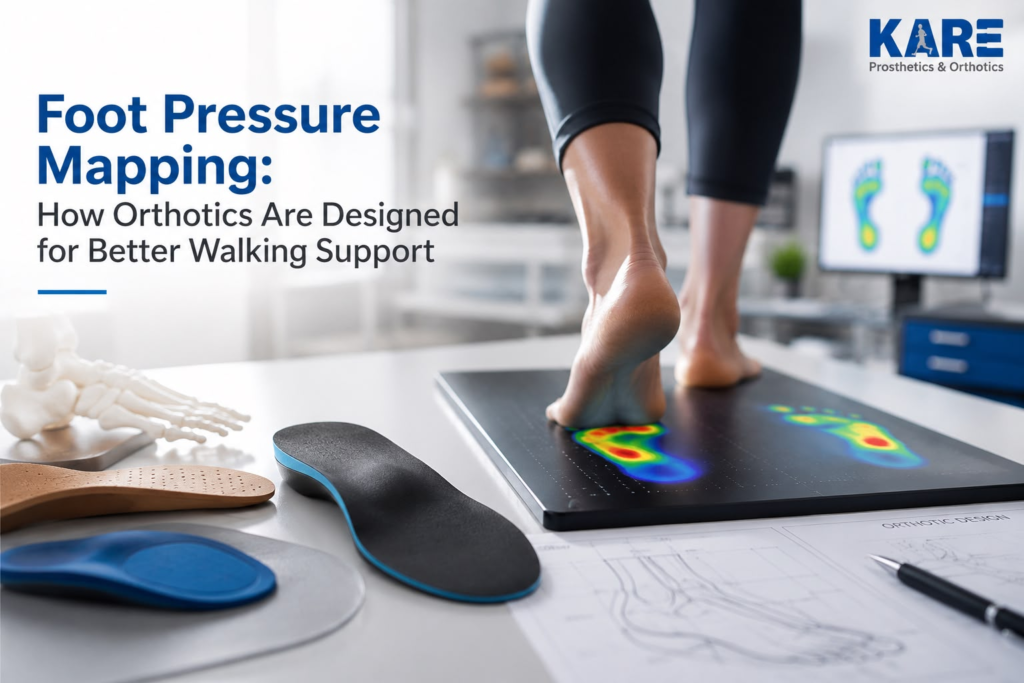
A foot scan for orthotics helps track contact area and pressure timing. At the same time, gait analysis shows how the heel lands, how the arch behaves, and how the toes push the body forward. These two checks work well together. One gives numbers. The other gives movement context.
For example, a shop worker in Bengaluru may complain about burning under the forefoot at day’s end. The scan may show high load under the metatarsal heads. Then the walking review may show an early heel lift. Suddenly, the complaint looks less vague. The orthotic plan becomes sharper.
Looking At Heel, Arch, and Forefoot Loads
The foot works in sequence. The heel absorbs impact first. Then the arch manages mid-stance. After that, the forefoot takes over for push-off. If one stage struggles, another area takes extra strain. That shift can lead to pain, fatigue, and uneven shoe wear.
Clinicians look for these links during a review. They check whether the arch collapses too soon. They see whether the heel tilts inward. They also watch whether the forefoot overloads during push-off. This is where foot balance support becomes useful. It helps guide the load through the whole step, not just one part of it.
A device that cushions the heel but ignores arch timing may feel good for a few days, then disappoint. Good orthotic work looks at the whole chain.
If arch strain is the main concern, KARE’s guide on do you need sole arch support explains it further.
Picking Cushioning For Tender Areas
Material choice sounds simple. It is not. Some patients need softer covers to protect thin or sensitive skin. Others need firmer control under the arch. Many need both in the same device. So, clinicians often combine layers with different densities.
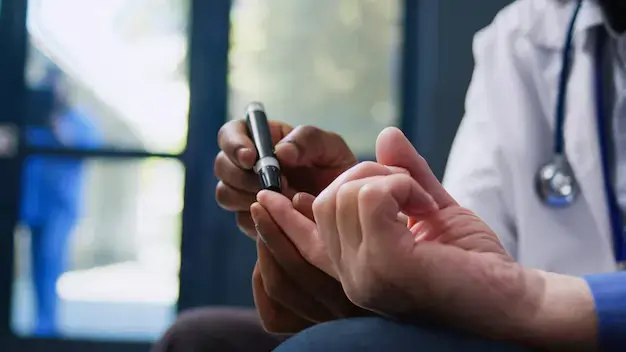
This section matters even more in diabetic foot care. The Karnataka Institute of Endocrinology and Research reported 11,000–13,500 diabetic-foot cases annually. That figure tells its own story. Many of those cases need early screening, pressure offloading, and careful footwear advice.
In such cases, clinicians often use pressure-relief insoles to reduce force under risky areas. They may add metatarsal support, heel cushioning, or a cut-out around a tender spot. Small changes can help a lot. Yet the device must still fit the shoe. If it does not fit, the patient stops using it. That happens often.
For patients with diabetic foot risk, KARE’s blog on best diabetic footwear may help before choosing footwear.
Moulding Orthotics Around Your Walking Style
Two people can share the same diagnosis and still need different devices. One person with flat feet may roll inward right after heel strike. Another may stay stable at the heel but overload the forefoot later. The label sounds the same. The mechanics do not.
So, foot pressure mapping should guide the finer choices. The clinician may deepen the heel cup, raise the medial arch, add a forefoot pad, or adjust the top cover. They may also use a second foot scan for orthotics to compare changes after a trial fitting.
This part often separates average care from careful care. A well-made orthosis does not just fill shoe space. It follows how you move, where you load, and what your routine demands.
Fine-Tuning Support After Gait Review
The first fitting does not end the job. Your body needs time to settle into a new support pattern. Some patients adapt within days. Others need a few weeks. That is normal.
After the fitting, the clinician checks comfort, shoe fit, skin response, and walking feel. Sometimes the review shows a minor issue, such as rubbing near the arch or extra pressure under the forefoot. Then the clinician adjusts the device. That step matters more than many patients expect.
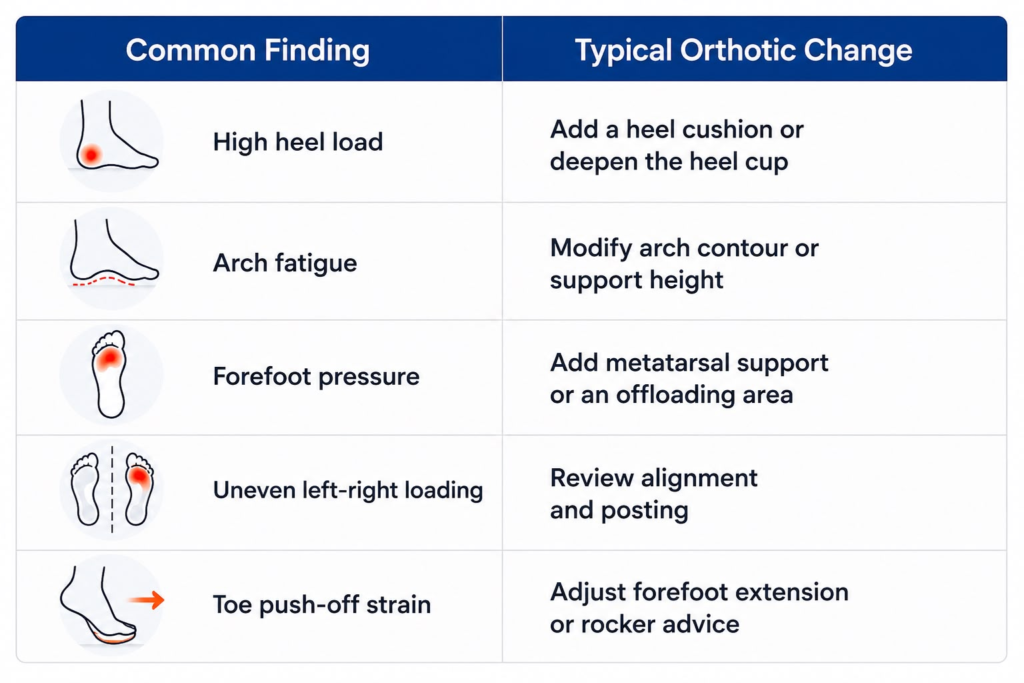
That process saves time later. It also makes the orthotic easier to wear each day.
After fitting, KARE’s guide on how do you take care of your orthotic devices can help with daily maintenance.
What A Pressure Mapping Session Usually Looks Like
A clinic session usually starts with questions. The clinician asks about pain, work, walking limits, diabetes, old injuries, and current footwear. Then comes a custom orthotic assessment. The foot gets checked for shape, motion, calluses, tenderness, and skin condition.
Next, the test records standing and walking patterns. During foot pressure mapping, you may stand on a pressure platform or walk over it several times. The system tracks force, contact time, and load path across the heel, arch, and forefoot. Those readings help, yet the clinician still needs to interpret them in context.
After that, the clinician may add foot balance support through a trial insole, shoe advice, or a brace plan. In some clinics, the team combines the findings with gait analysis and a manual exam. That combination tends to produce a stronger plan than a scan alone.
How We Build Personalised Foot Support at KARE
At KARE Prosthetics & Orthotics, we take a measured approach to orthotic care. Our clinical process includes pressure checks, biomechanical review, gait video study, casting, and 3D scanning. This gives patients more than a visual guess. It gives structure to the fitting process.
We also work across prosthetics, orthotics, diabetic foot care, and rehabilitation. So, patients with flat feet, limb weakness, or long-term foot strain can discuss related issues in one place. This often helps when symptoms overlap.
A few strengths stand out:
- Evidence-informed fitting with custom devices, diabetic footwear, and mobility-focused reviews.
- Access to international component partners such as Össur, Orthomerica, ST&G, and Becker Orthopedic.
We also focus on qualified clinical leadership, follow-up care, and support through our network across Bengaluru, Chennai, Mysuru, Kochi, Kolkata, Hyderabad, Thiruvalla, Durgapur, and Calicut. Patients can confirm local service availability before booking.
Conclusion: Walk Better With Support Built Around Your Pattern
Your feet leave clues every day. Pain, fatigue, calluses, and uneven shoe wear often point to a load problem, not just a comfort problem. When a clinician reads those clues well, the orthotic has a better chance of working.
That is why foot pressure mapping has value. It helps shape orthotics around movement, pressure zones, and daily use. If you need custom support, diabetic footwear, flat-foot care, or advanced prosthetics and orthotics in India, connect with KARE. We at KARE design support how you walk, where you load, and what your life asks from your feet.
FAQs
What is foot pressure mapping?
Foot pressure mapping measures how your foot loads the ground while standing and walking. It helps clinicians spot overload, imbalance, and risky pressure points.
How does foot scanning help design orthotics?
A scan shows contact areas, pressure peaks, and timing. Those findings help clinicians shape orthotics, choose materials, and improve fit inside daily footwear.
Who should get a foot pressure assessment?
People with flat feet, diabetic foot risk, heel pain, calluses, sports strain, uneven shoe wear, or walking changes should consider assessment.
Can pressure mapping help prevent foot pain?
Yes, it can flag overload early. Then clinicians can adjust footwear, add orthotic support, and reduce stress before symptoms grow worse.
How are custom insoles made after a foot scan?
Clinicians combine scan results, symptoms, joint checks, and walking review. Then they design, fit, and adjust the insole for your needs.