People who use a prosthetic limb usually think about one thing first: “Will this actually feel comfortable for me every single day?” Most amputees want something that feels stable and doesn’t get in the way of their normal routine.
Over the last few years, a lot has changed in how prosthetic limbs are made, and many of these changes happened because real users kept asking for better comfort and smoother movement.
With new materials and better understanding of how the body moves, devices now match the way people actually live. This shift is what many experts call innovations in prosthetics 2026, a phase where the design finally feels closer to how the human body behaves.
Breakthroughs Reshaping Modern Prosthetic Systems
Prosthetic systems today look simple from the outside, but the real change sits inside the way they respond and fit. Earlier, people mostly adjusted themselves to the limb. Now the expectation is the other way around.
Many users want their limbs to support long walking hours, uneven paths, and perform daily tasks without feeling heavy or stiff. How the limb behaves when someone is tired, all seems to matter now. Because of this, designers and clinicians started focusing more on comfort, lighter frames, better sockets, and movement patterns that don’t feel forced.
Below are the updates that actually make a difference when people walk, turn, bend, climb, or move around as part of their routine.
Neural-Linked Systems That React Faster
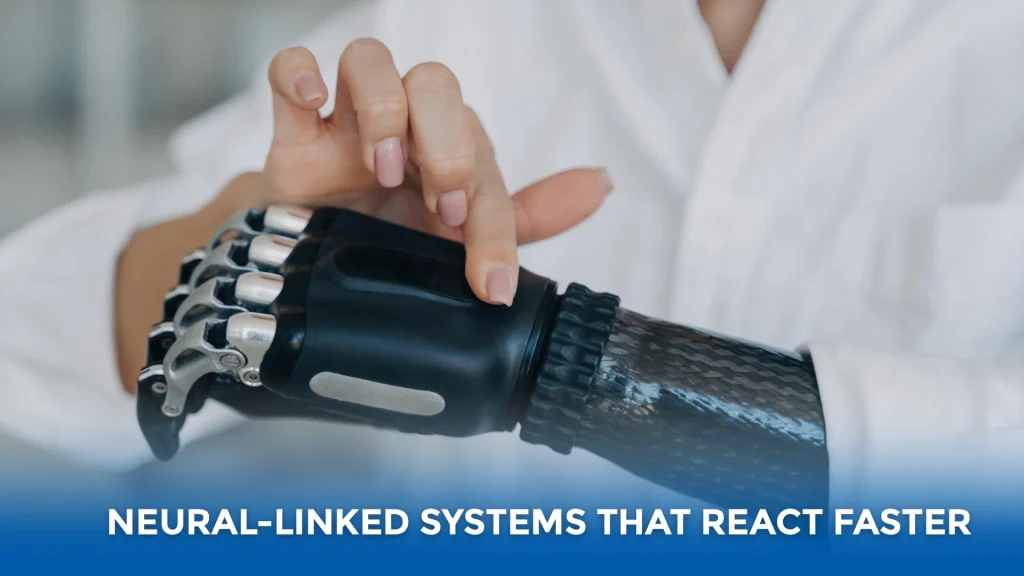
Neural-linked prosthetics move based on electrical signals from the user’s nerves. Instead of pushing a button or shifting weight for action, the limb reads intention and responds almost instantly. A study recently began testing the sensory-enabled iSens prosthesis, and the project plans to include 12 upper-limb amputees. This may sound technical, but the idea is simple: limbs that behave closer to how the body naturally moves.
This direction supports users who want a closer sense of control. It also follows the core idea behind patient centered prosthetic solutions, where the limb adapts to the person more than the person adjusting to the limb.
Key points people notice:
- Hand and wrist motions feel more predictable
- Less delay between intention and action
- Smoother grip patterns
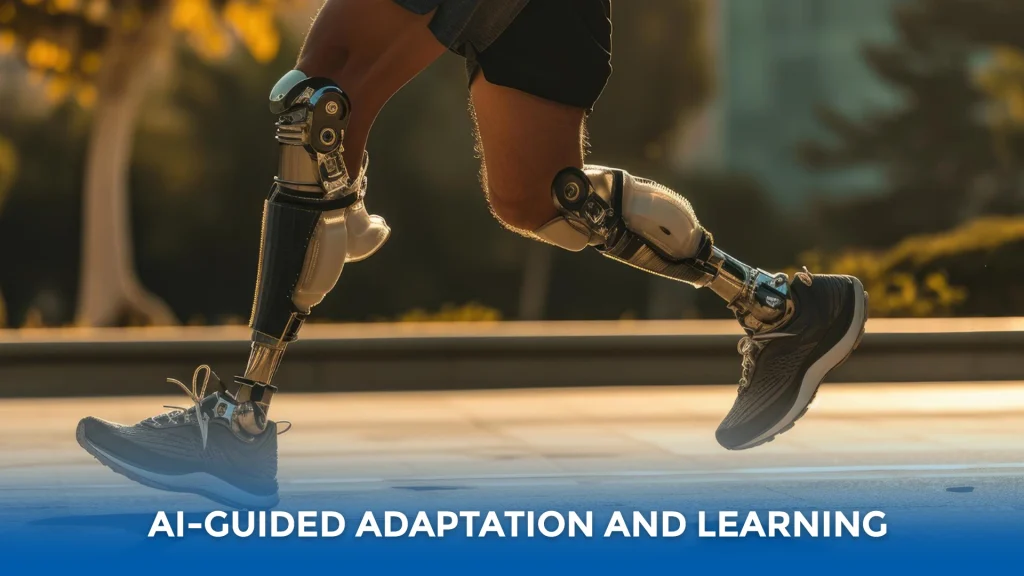
AI-Guided Adaptation And Learning
Several 2025 studies introduced machine-learning powered neural interfaces. These systems read neurological signals and adjust the limb’s movement pattern. Over time, the limb settles into the user’s natural rhythm. This approach is now a major part of innovations in prosthetics 2026, where personalisation matters more than ever.
These devices fall under AI in prosthetics and also count as smart prosthetic devices, since they collect movement data and shift the response gradually. Someone walking fast one moment and slow the next gets automatic adjustment without thinking about it.
People who use these systems often mention how the limb “gets used to them” over the first few weeks.
Microprocessor-Controlled Joints Becoming Common
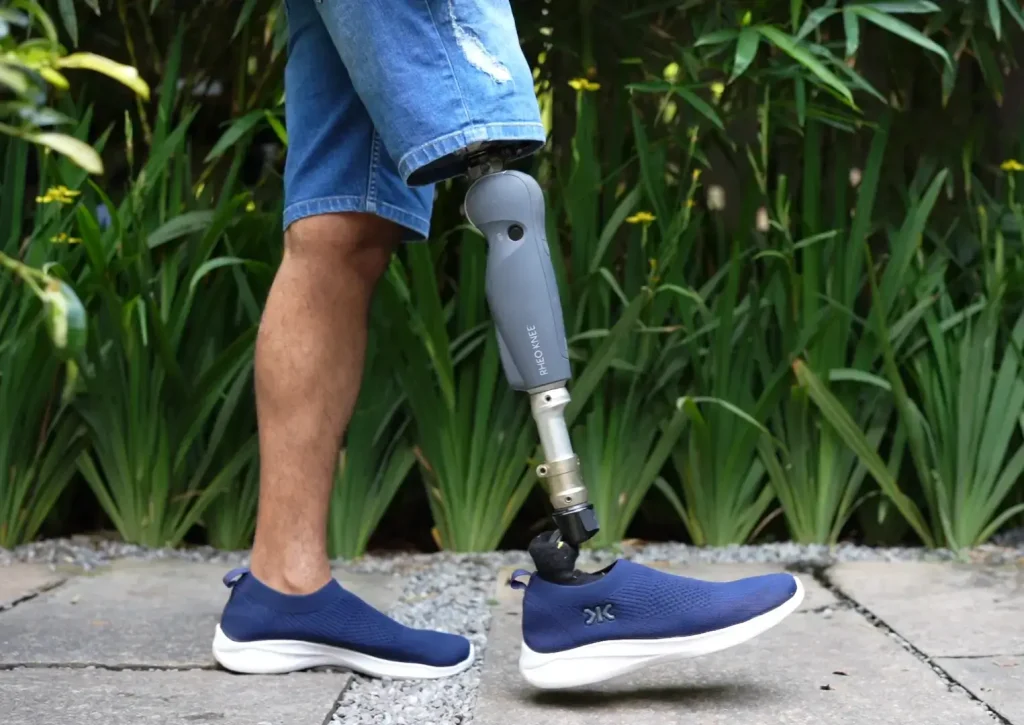
Microprocessor knees and ankles are not new, but their reliability makes them more widely chosen now. In 2025, a global review showed microprocessor-controlled prosthetics held ~42.6% of the technology segment. These joints adjust every second based on angle, weight, and speed.
Users often feel the difference most on slopes or when changing direction. The joint stiffens or relaxes based on what the person needs at that moment. This upgrade continues to guide the direction of prosthetic innovations 2026, especially for people who travel or walk long distances.

Lighter Components For All-Day Use
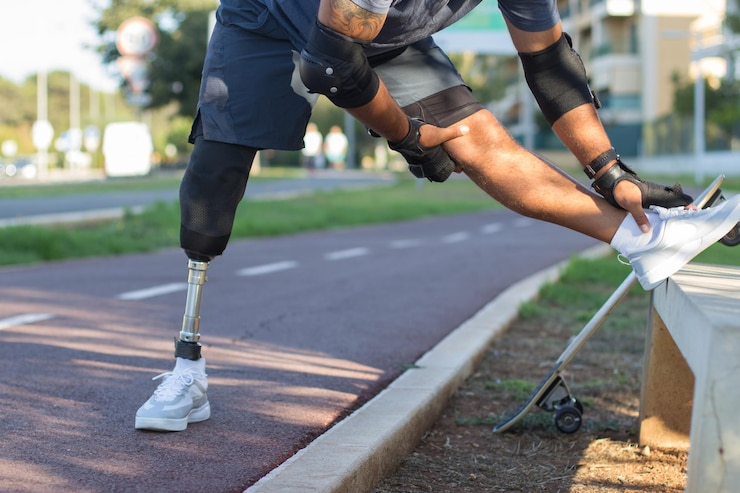
Even the best prosthetic can feel tiring if it’s heavy. New carbon blends, softer liners, and compact structural parts reduce the strain on the knee and hips. People using these new models say they notice the reduced load within the first hour.
These changes closely support advanced prosthetic limbs in India, because long travel hours, heat, and walking on mixed surfaces make weight an important factor.
Lighter systems usually offer:
- Better alignment
- Less skin pressure
- Longer walking time
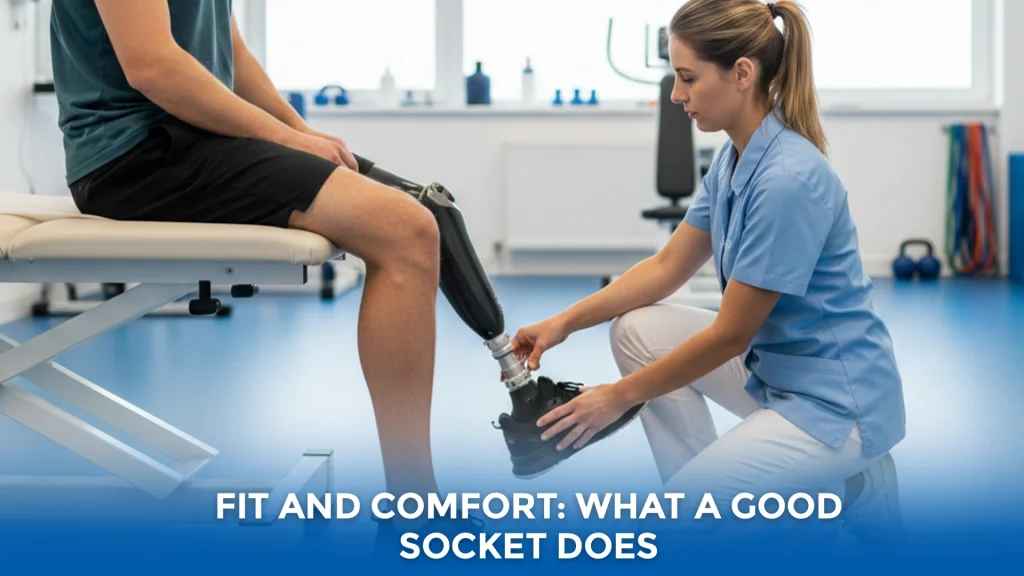
Fit And Comfort: What A Good Socket Does
A good socket determines whether the limb feels natural or distracting. Modern fitting uses scanning, custom shaping, and liners designed for comfort and suspension.
Custom sockets match the idea of patient centered prosthetic solutions, where comfort and skin health matter as much as the outer joint technology.
Smart Foot And Ankle Designs
Foot and ankle movement affects balance more than many realise. New 2026 versions include heel sensors and adaptive ankle rotation. These systems support better balance on uneven paths and reduce impact on joints.
They fall under both smart prosthetic devices and advanced prosthetic limbs in India, since many users want better control on busy streets and irregular walking areas.
People appreciate:
- Cleaner step transition
- More stability during turns
- Less shock on knees
Energy Return And Improved Walking Mechanics
Modern prosthetic feet now push energy back into the step, which reduces effort. Curved blades, flexible keels, and redesigned heels make movement more natural. These features fall under prosthetic innovations 2026, giving users smoother motion during longer activity.
People choose these systems for:
- Reduced fatigue
- Better shock absorption
- More balanced gait on long days

How We Support Patients At KARE
At KARE Prosthetics & Orthotics, we guide every patient through evaluation, measuring, fitting, and training. When someone wants a prosthetic leg, orthotic support, or a solution for flat feet, we help them choose what fits their lifestyle and strength. We also provide international quality Prosthesis and Orthosis to people with disabilities, and we design fittings that support long-term comfort.
We check alignment, skin condition, and walking style to make sure the device supports real life, not only short clinic tests. Because every person has a unique pattern, our team focuses on making the limb feel useful right from the beginning.
How These Innovations Change Movement In Real Life
People using these new systems often notice they feel less tired at the end of the day. Steps become smoother, and they don’t need to think so much about adjusting their posture. Most people simply say the limb feels easier to move with now. The updated design and the lighter build make long walks or even short daily trips feel less tiring, and the newer controls help the limb react in a more natural way.
The growth of AI in prosthetics also plays a clear role here. When the device keeps up with the user’s pace, confidence increases. And when socket comfort improves, skin issues reduce, which encourages people to use their limb for longer hours.
With major breakthroughs in design, socket comfort, learning systems, and joint response, innovations in prosthetics 2026 create a stronger foundation for daily mobility. If someone wants to look at a prosthetic limb or an orthotic option that actually fits their daily routine, we at KARE sit with them, understand what they need, and then guide them through the fitting and follow-up steps.