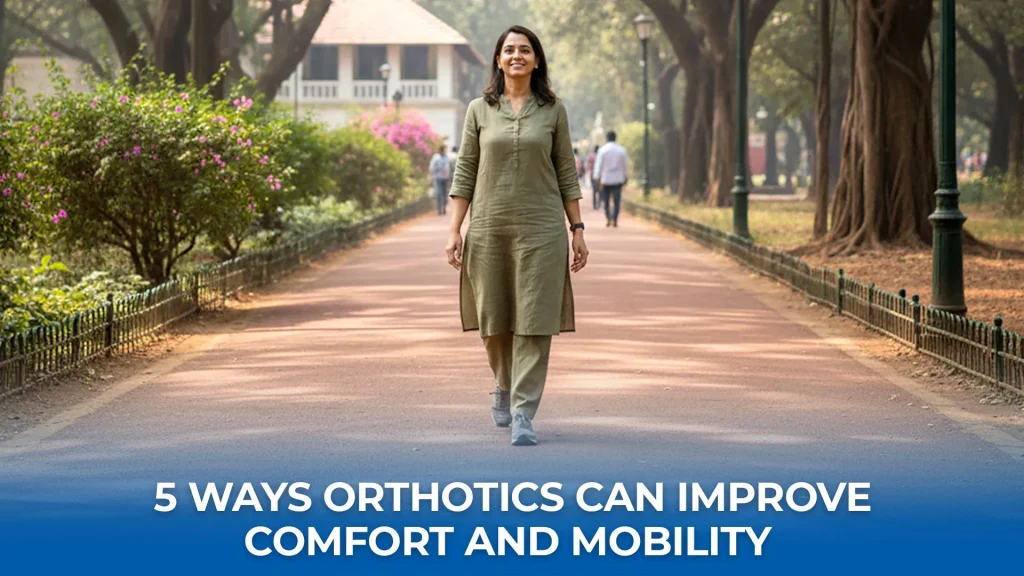
Can knee pain, heel strain, or weak ankles slow your day down? You can get control back with the right brace plan. You get more stability, less strain, and safer steps. That is the core of orthotic braces benefits.
In India, many people push through pain and keep moving. Still, daily walking, stairs, long commutes, and standing work build pressure on joints. So, the right brace support changes outcomes. It supports weak parts, guides alignment, and protects healing tissue. Also, it reduces fatigue during movement.
Orthotic care works best when you treat movement as a system. Your feet, knees, hips, and spine connect. So, a problem in one area shifts stress to another area. That shift triggers pain, limping, and poor posture.
We will break down how braces work, where they help, and how you choose the right option.
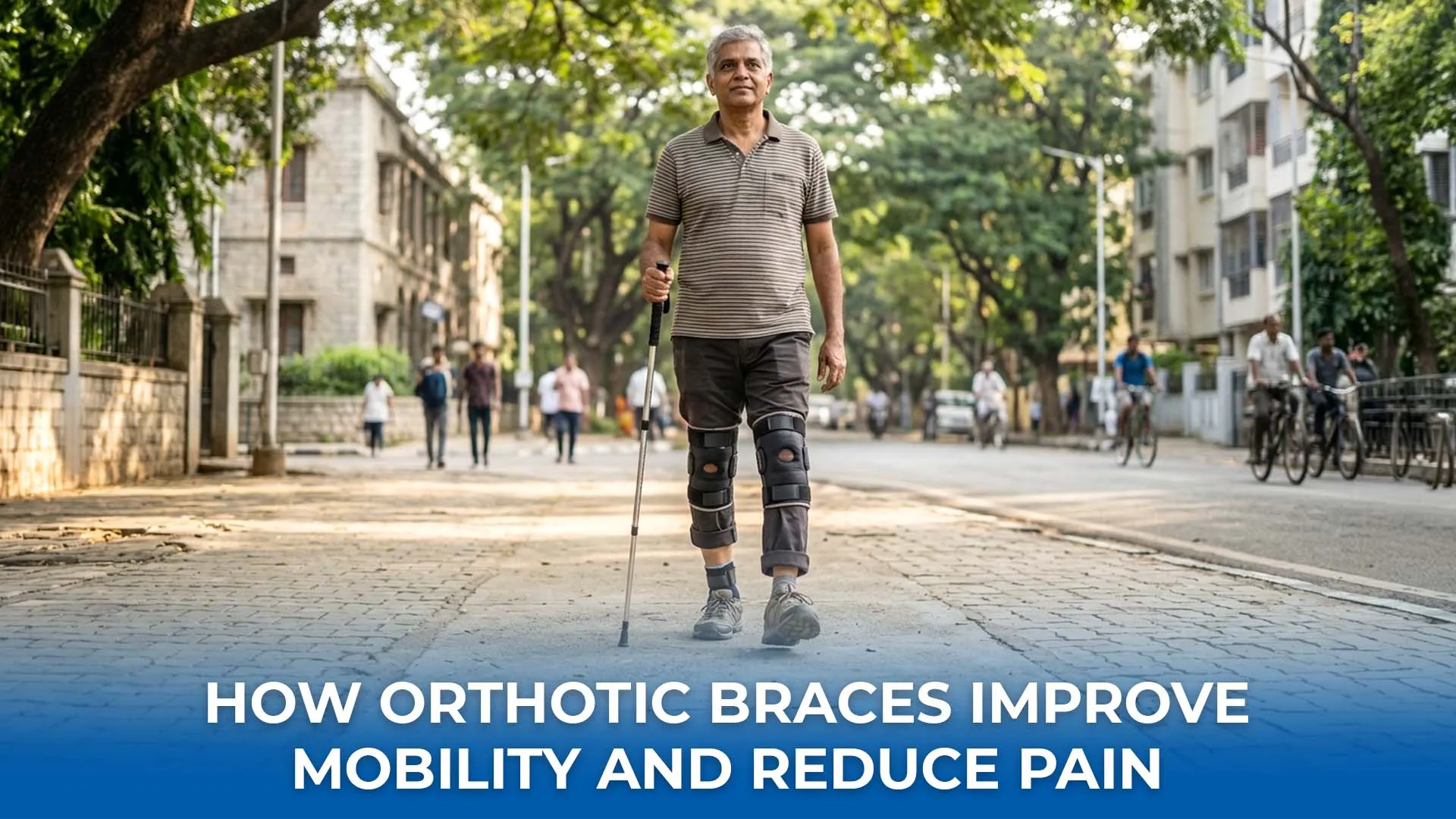
How Orthotic Braces Improve Mobility And Reduce Pain
Orthoses guide motion and reduce stress on joints. They also support muscles that tire fast. Plus, they help you move with better control. So you protect your body during walking and weight-bearing tasks.
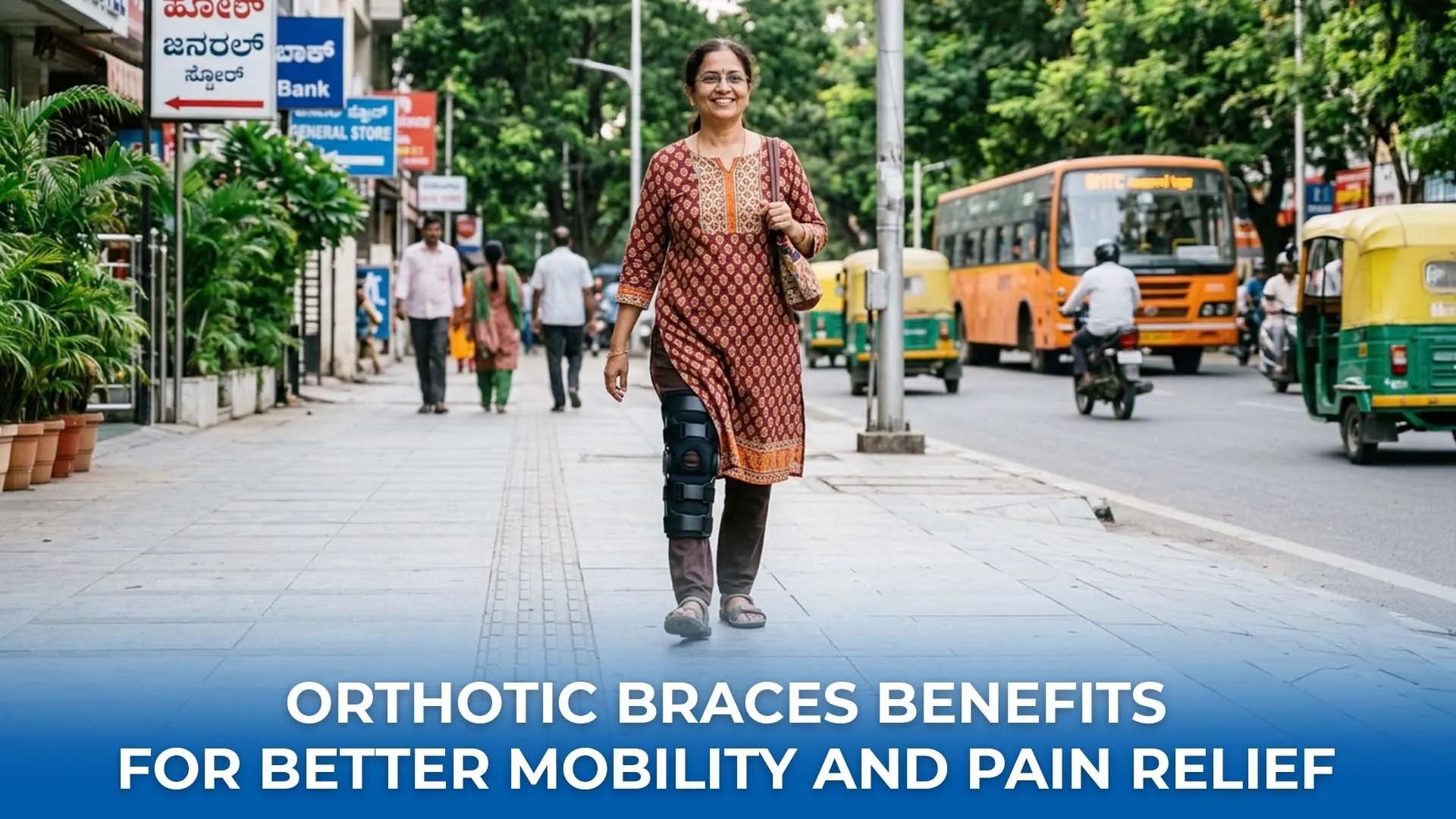
You will notice orthotic braces benefit most when pain comes from instability. For example, knee wobble, ankle rolling, flat feet strain, or back stress after long standing. In these cases, a brace does two jobs. First, it supports the joint. Next, it improves your movement pattern.
Also, doctors use braces in rehab plans. They use them after ligament injuries, fractures, tendon strain, nerve weakness, and post-surgery recovery. So, braces support healing while you keep moving.
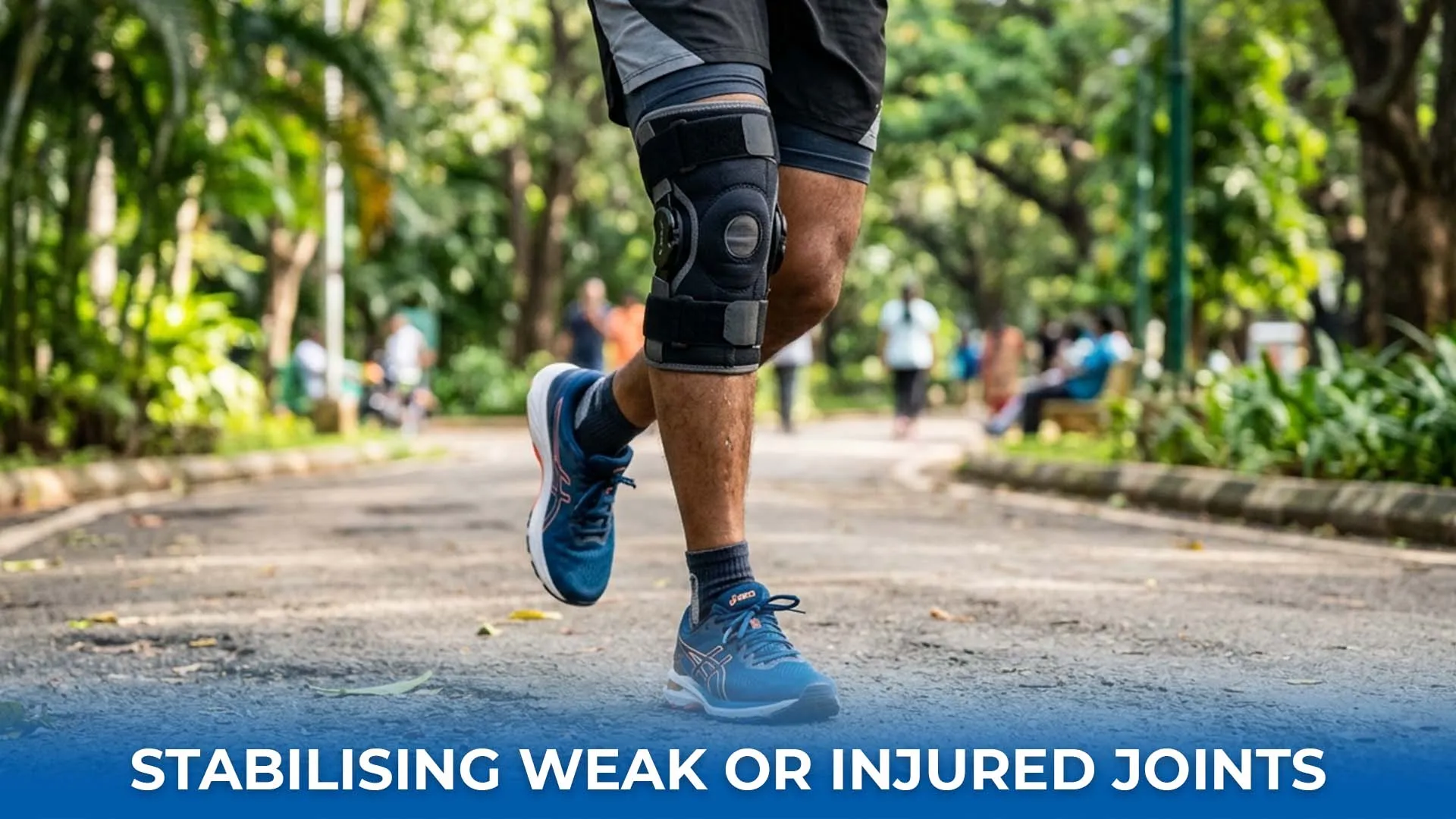
Stabilising Weak Or Injured Joints
Weak joints shift too much during motion. That extra motion irritates soft tissue. Then pain rises during simple tasks. A brace limits the unsafe range. So your joint stays steady.
A good orthotic brace for support works like an external frame. It reduces micro-movements that trigger soreness. It also helps muscles work in a safer line. Therefore, you move with less fear of sudden pain.
For knee issues, braces often reduce valgus or varus stress. For ankles, braces reduce rolling and give side control. For wrists, braces control bending and protect tendons. So you keep function while you protect healing tissue.
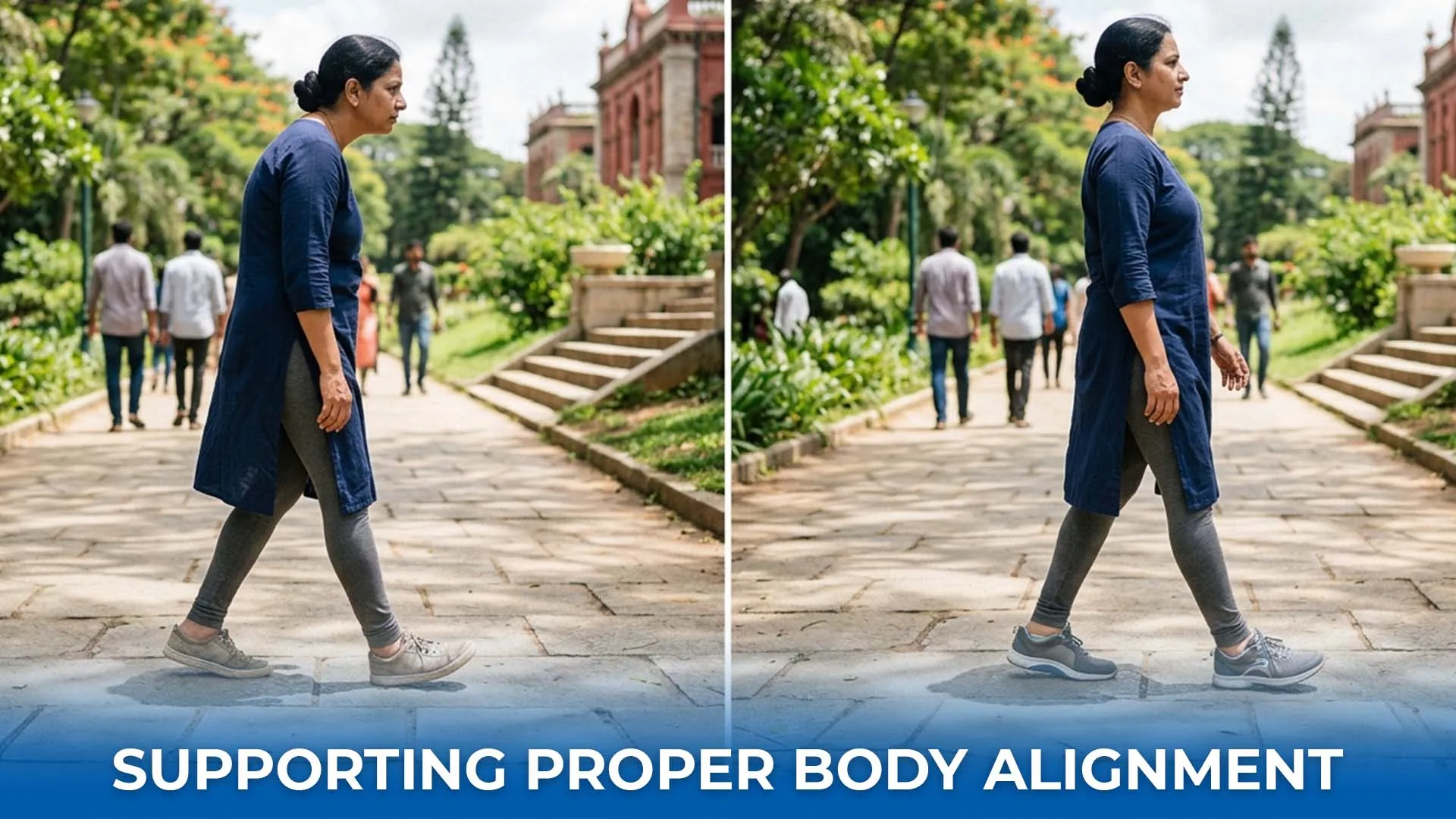
Supporting Proper Body Alignment
Alignment shapes pressure patterns across joints. Poor alignment shifts load into small areas. Then pain builds fast. Braces guide alignment and keep your limb in a cleaner line.
For example, flat feet change ankle angle. Then the knee rotates inward. After that, hip muscles overwork. So you feel pain in more than one area. With alignment control, your steps become smoother. Also, your posture improves during standing.
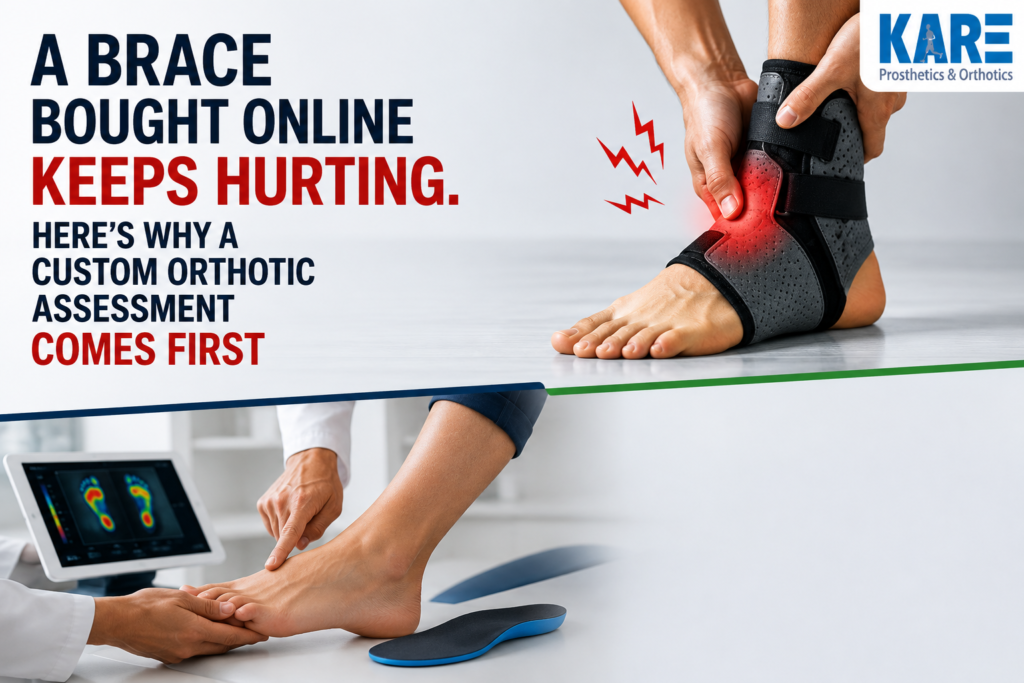
This is where custom orthotic devices help more than generic braces. They match your limb shape and your gait pattern. So, the brace works with your body, not against it.
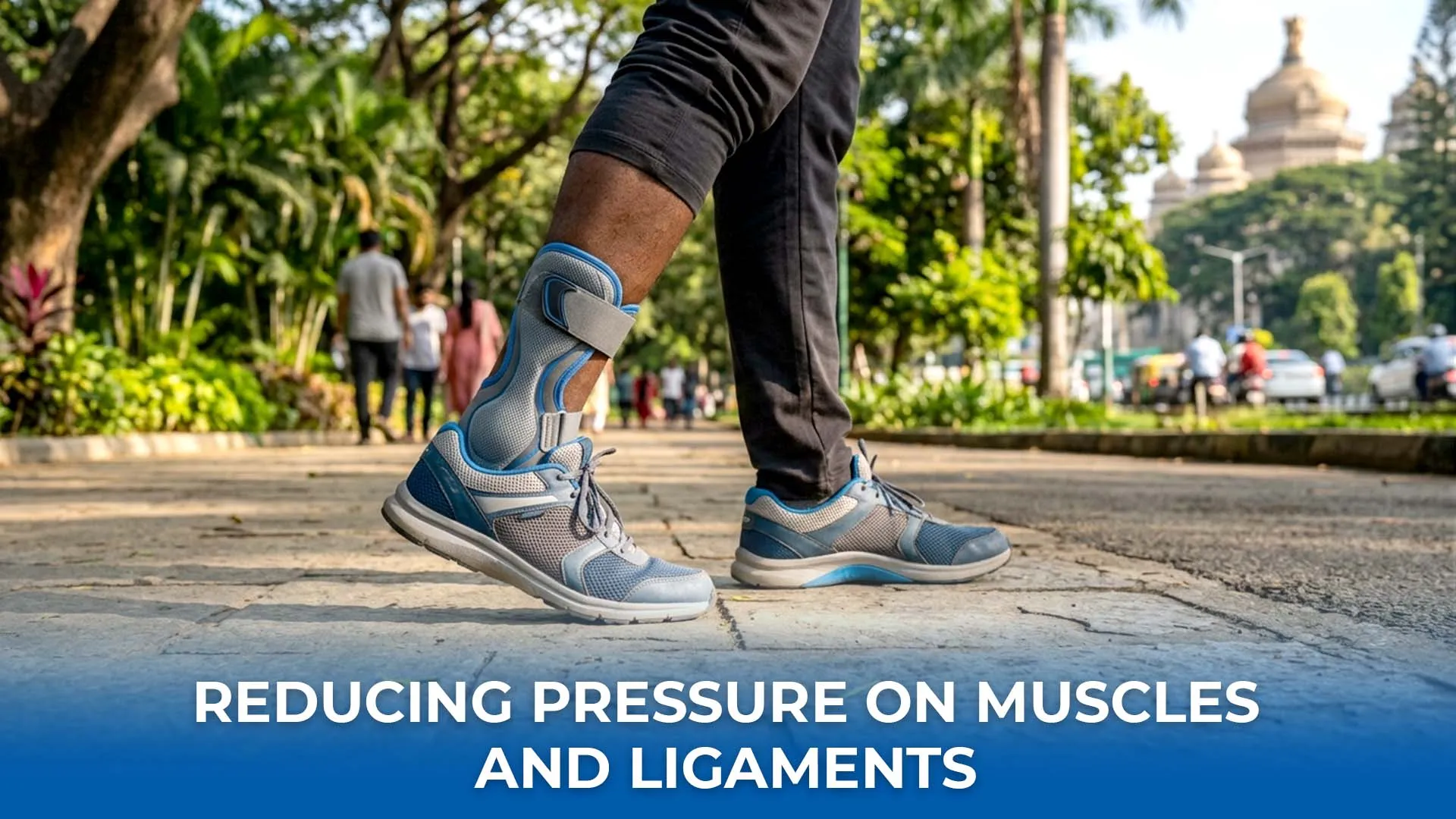
Reducing Pressure On Muscles And Ligaments
Pain often comes from overloaded tissue. Muscles compensate when joints feel unstable. Ligaments strain when alignment shifts. So the goal becomes load sharing.
Orthotics redistribute pressure across the foot and increase midfoot contact area, helping reduce heel strain during walking and weight-bearing activities. That change reduces stress at the painful zone. Also, it helps you walk longer with less soreness.
This is why pain relief orthotics work well for heel pain and arch strain. They spread load across a larger surface. Therefore, the tissue heals with less repeated irritation.

Assisting Recovery After Injury Or Surgery
After injury or surgery, your body needs protection and safe movement. Rest alone often slows recovery. Still, rushing without support raises risk. So braces give you a safer middle path.
A brace limits risky motion and supports weak muscle groups. Then you can start rehab earlier. Also, you build confidence during walking. That is one of the strongest orthotic braces benefits for active people and older adults.
For post-op knee care, braces often protect ligaments and control bending. For ankle sprains, braces protect against re-injury during daily movement. So you return to routine with more control.
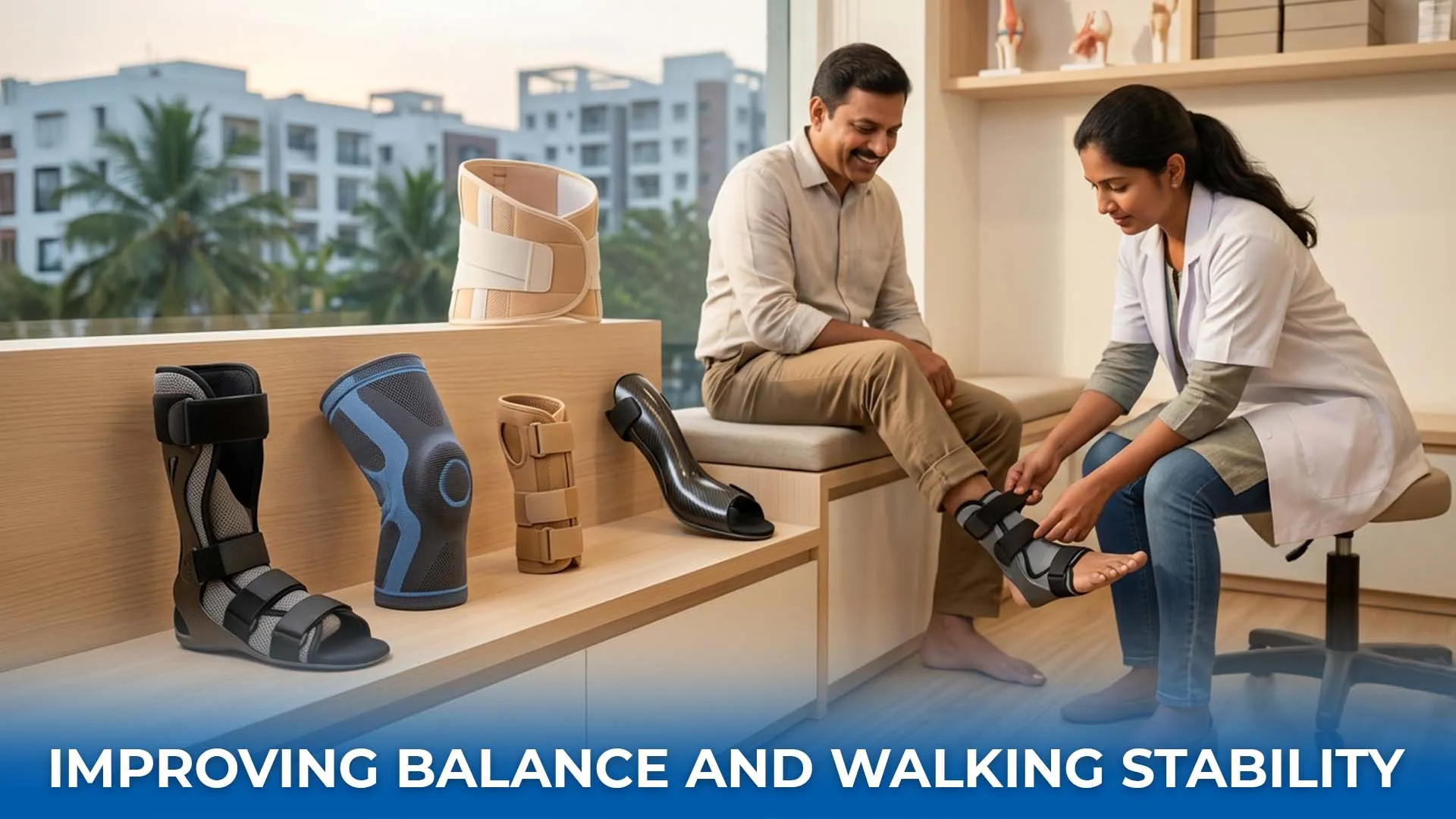
Improving Balance And Walking Stability
Balance problems come from weak joints, poor foot control, or nerve issues. Many people feel unsteady on uneven roads, stairs, or wet floors. So the brace becomes a stability tool.
Mobility support braces improve side control and reduce wobble. They also improve foot placement during each step. As a result, you reduce falls and near-falls.
This also links to fatigue. When you feel unstable, your muscles stay tense. Then your body burns energy fast. With better control, your body relaxes during movement. So you feel less tired after walking.
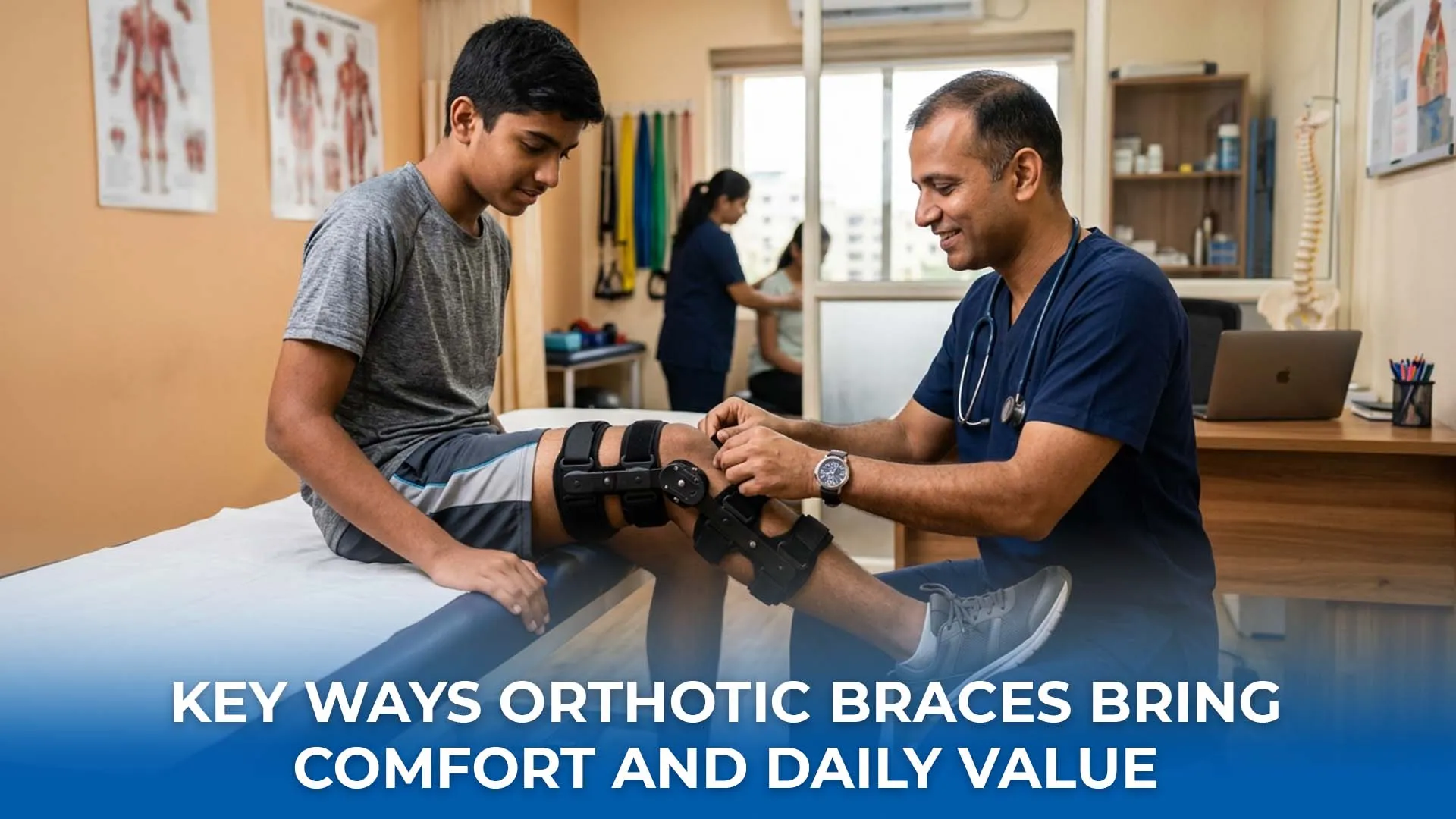
Key Ways Orthotic Braces Bring Comfort And Daily Value
Comfort comes from three factors: fit, material, and motion control. Value comes from fewer pain flare-ups and better daily function. Still, many people buy braces and stop using them. That happens when the brace feels bulky, hot, or tight. So, we focus on the right match and correct wearing method.
Here are practical comfort levers that improve results:
- Pick the brace based on activity, not brand hype.
- Adjust straps in stages, then re-check after walking.
Now let’s compare common brace goals and what you can expect.
| Goal Area | Common Brace Style | Comfort Focus | Best Use Case |
| Knee stability | Hinged knee brace | Soft inner lining, firm side stays | Ligament strain, early rehab |
| Ankle control | Lace-up ankle brace | Snug fit, low bulk | Rolling ankles, sports return |
| Foot alignment | Arch support orthosis | Even contact, breathable top | Flat foot, heel pain |
| Back support | Lumbar support belt | Flexible panels, pressure balance | Posture stress, long standing |
This table keeps it simple. Still, you should match brace choice with clinical evaluation. Because pain location alone can mislead you.
Also, consider these points. Start with shorter wear time. Then increase based on comfort. Meanwhile, keep skin checks daily. If redness stays after removal, you need a fit change.
You can also combine supports. For example, foot orthoses plus a knee brace may reduce knee stress. However, you should do this with a clinician plan. Otherwise, you may shift load into the wrong zone. When you choose well, you unlock orthopedic brace benefits that stay consistent. You get smoother steps. You reduce flare-ups. You also regain movement confidence.
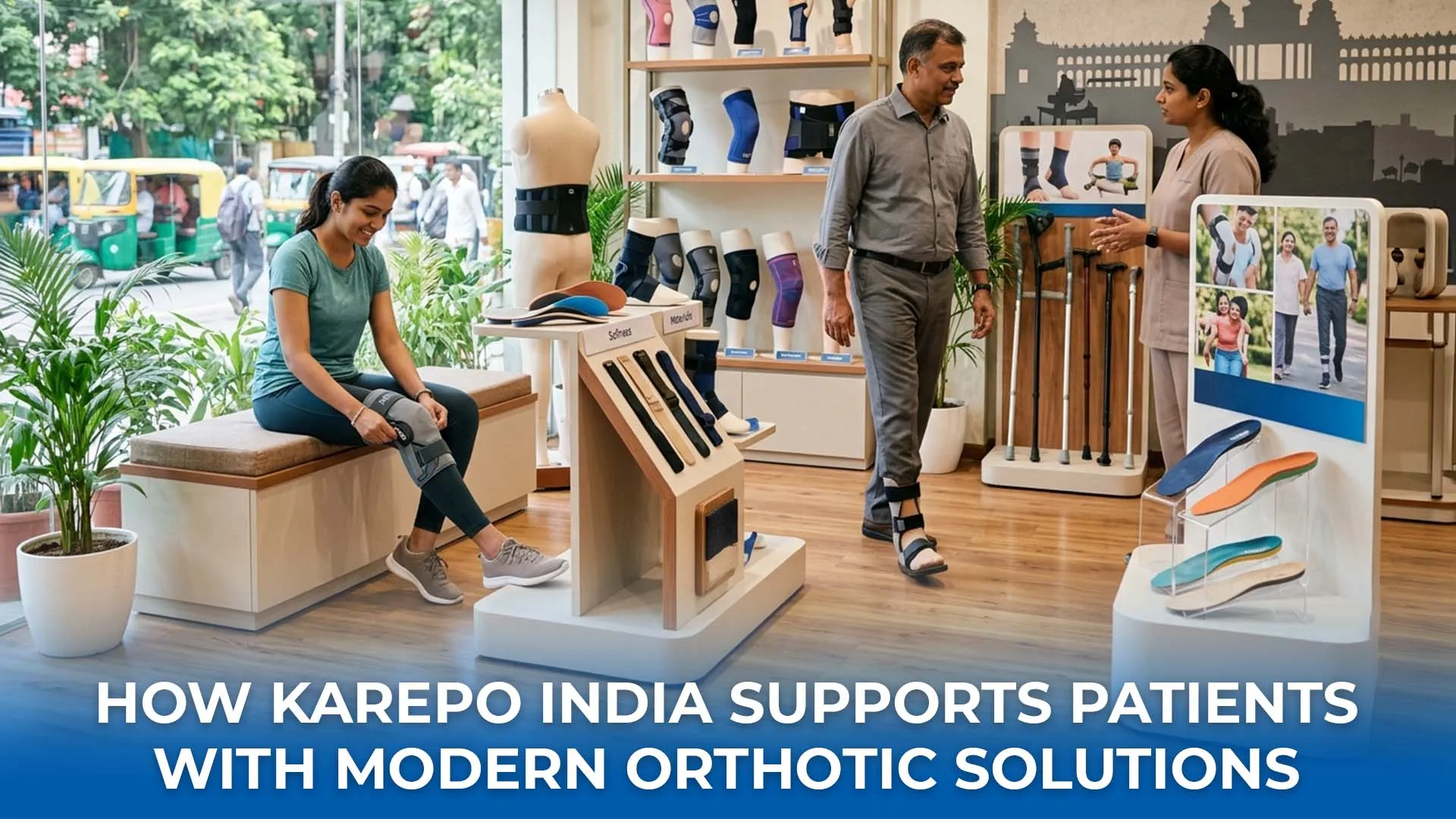
How Karepo India Supports Patients With Modern Orthotic Solutions
Karepo India works in advanced prosthetics and orthotics in India. We deliver international quality Prosthesis and Orthosis to people with disabilities. We also support flat foot care, limb support, and long-term rehab planning. You can explore more at karepoindia.com.
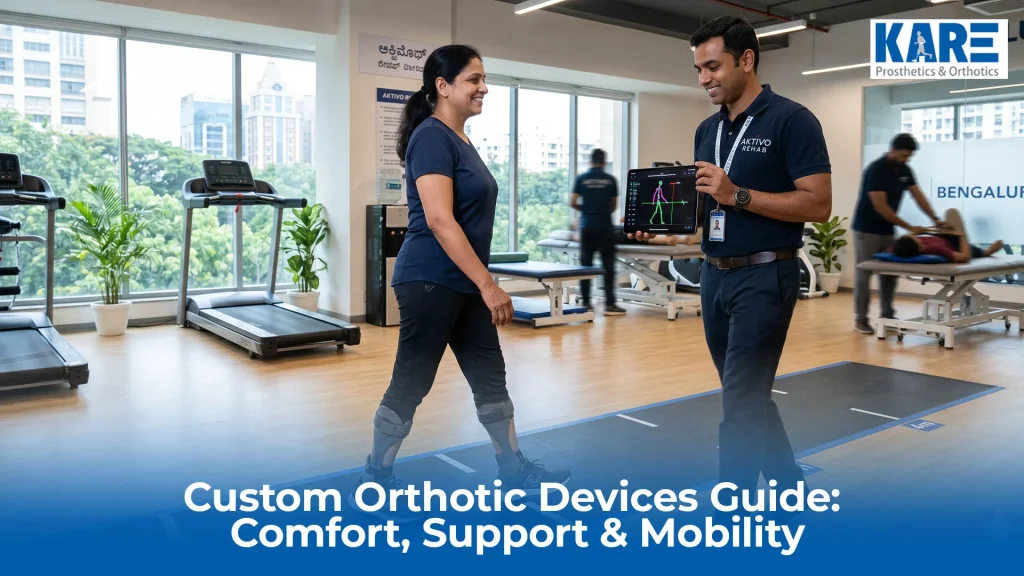
Our work connects directly to orthotic braces benefits because we focus on precision fit and safe movement. First, we assess gait, posture, and pain triggers. Next, we plan support points and strap pressure. Then we fabricate, fit, and train you for use. So your brace supports your daily routine, not only clinic tests.
A clinical review of orthotic interventions reported an 89% success rate in reducing pain associated with plantar fascia degeneration when orthotics were used. That result aligns with what we see in structured foot support plans.
We build custom orthotic devices that match your limb shape and activity needs. We use strong materials that stay light on the body. We also set fit sessions that reduce rubbing and pressure spots.
- Expert-led assessment and fitting by trained orthotists and prosthetists
- Rehab support with gait coaching and safe progression steps
For daily stability, we also guide mobility support braces selection and wear timing. For joint control, we match brace stiffness to your condition stage. So you get support without excess restriction. For pain goals, we plan pain relief orthotics that spread load and reduce trigger points. Also, we educate on socks, footwear, and strap tension.
When your brace fits well, orthotic brace for support becomes easier to wear daily. Then you see better comfort. Also, you see stronger functions.

Final Thoughts
Pain often grows from repeated strain and unstable movement. So the fix needs support, alignment, and good wear habits. With the right plan, you walk with more control, and you protect healing tissue. That is why orthopedic brace benefits show up in real life, not just in clinics.
If you want long-term comfort, choose a clinical fit approach. Choose braces that match your body and routine. Then you get safer movement, less fatigue, and better daily output. For personalised fitting and advanced orthotic care, connect with Karepo India and start your plan today with orthotic braces benefits.
FAQs
What conditions require orthotic braces?
Doctors suggest braces for ligament injury, arthritis, flat feet, nerve weakness, heel pain, scoliosis support, and post-surgery joint protection in daily movement.
How do orthotic braces reduce pain?
Braces limit risky motion, guide alignment, and spread load across tissues. This reduces stress on ligaments, tendons, and joints during walking.
Are custom orthotic braces more effective?
Custom braces match limb shape and gait needs. They reduce pressure points, improve control, and support longer wear time during busy days.
How long should orthotic braces be worn daily?
Wear time depends on condition, stage and skin tolerance. Start short, increase slowly, and follow clinician advice for safe daily use.
Can orthotic braces improve walking ability?
Yes. Braces improve stability, reduce wobble, and support alignment. With proper fit and rehab training, walking becomes smoother and safer.