Do you worry when your child struggles to stand, balance, or walk with ease? That worry feels real. Every step tells you something. Sometimes the feet turn in. Sometimes the knees bend too much. Sometimes the child tires fast and avoids movement. In many cases, the right support changes that pattern early.
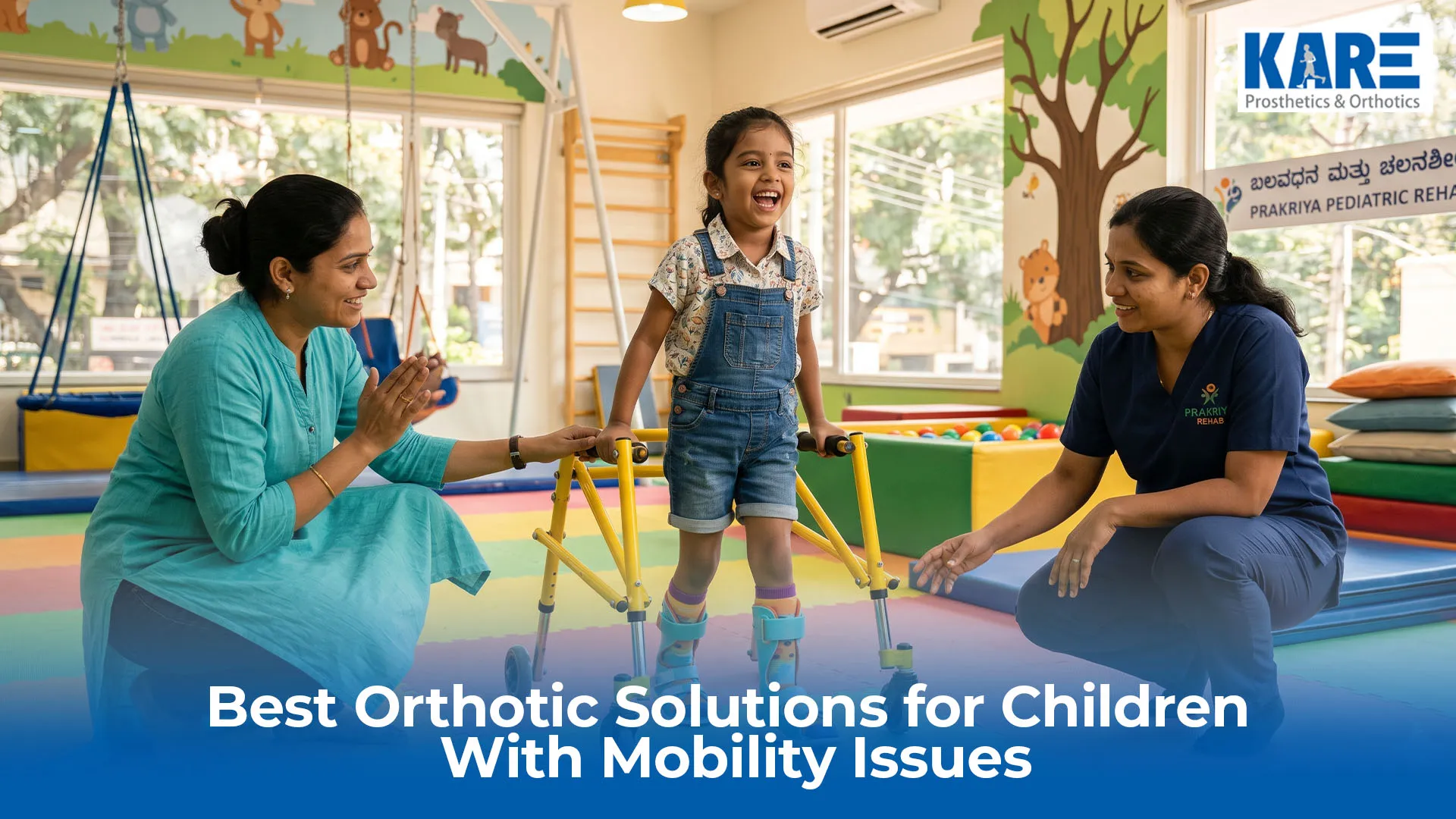
That is where orthotic solutions for children start making a real difference. They support joints, guide movement, and reduce strain during growth. A well-made brace does not force movement. It directs movement in a safer way. So, the child can build better walking habits over time. Parents often search for a paediatric orthotic device after they notice poor balance, flat feet, toe walking, or delayed gait.
In the same phase, many families look for child mobility support braces and real children mobility issues solutions that match Indian clinical needs.
Why Early Support Can Change a Child’s Walking Pattern
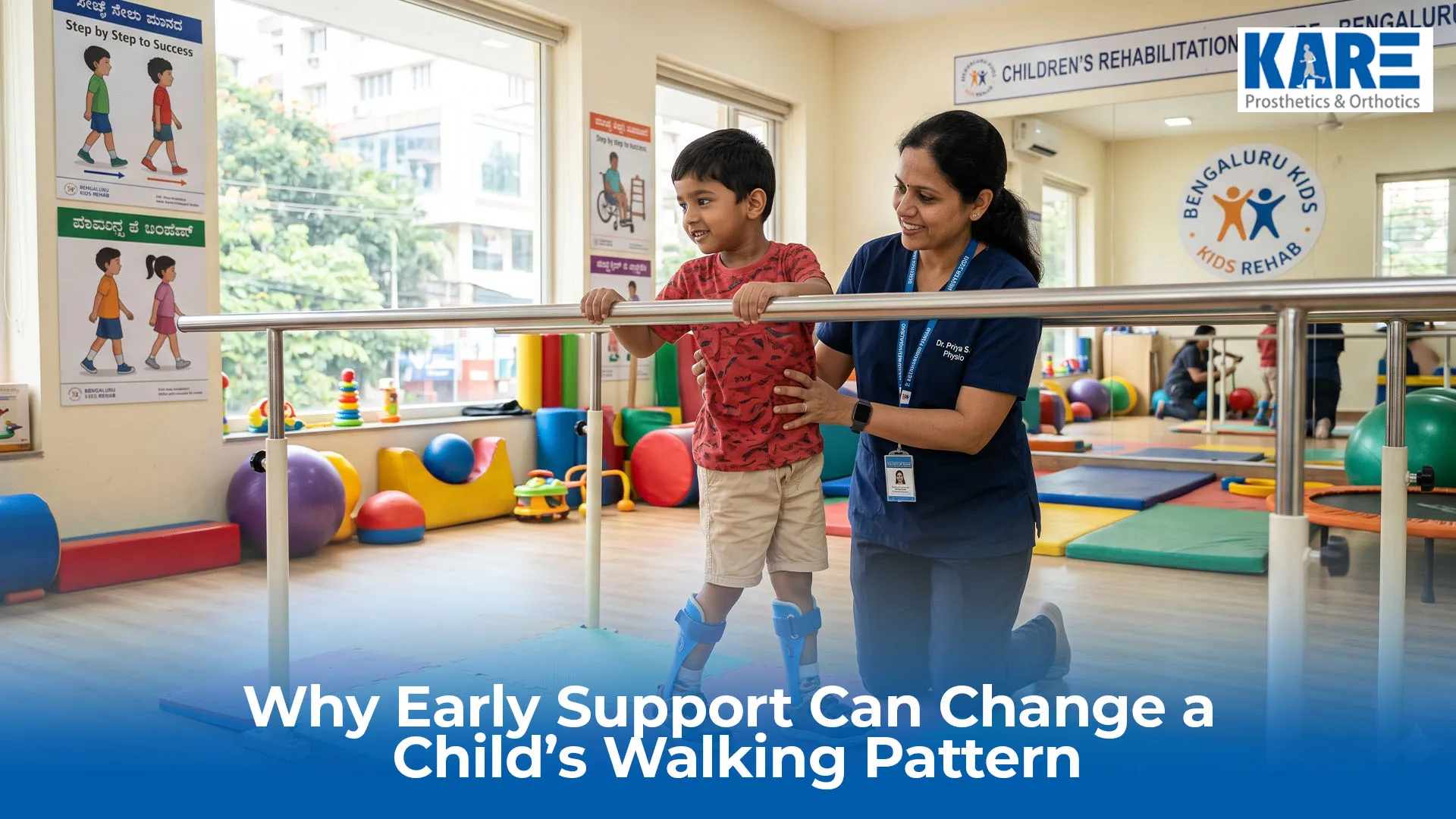
Early support matters because movement patterns settle fast during growth. If a child keeps walking with poor foot position, the body starts compensating elsewhere. Then the knees, hips, or lower back may carry extra stress. Therefore, clinicians often start orthotic treatment for children as soon as they confirm the movement problem.
At this stage, orthotic solutions for children help guide alignment before wrong patterns become routine. That is why a timely paediatric orthotic device can support posture, improve step quality, and reduce fatigue during school and play. Moreover, a good brace works with therapy goals, not against them.
There is another serious issue. Only 1 in 10 people globally who need prosthetic or orthotic care actually receive it, showing a major access gap in paediatric rehabilitation. That gap pushes many families to wait too long. Yet early care often gives better movement control and better long-term function.
Which Orthotic Solutions for Children Fit Different Movement Needs?
No single brace fits every child. Diagnosis, gait pattern, muscle tone, and daily routine shape the prescription. So, clinicians assess alignment, joint range, pressure areas, and walking goals before selecting the device. Many parents ask for the best orthotic for kids, yet the best option always depends on the child.
AFO for Better Stability, Safer Steps, and Gait Control
An ankle foot orthosis supports the ankle and foot during standing and walking. It suits children with foot drop, toe walking, weak dorsiflexion, or poor ankle control. In many cases, it becomes the first choice among orthotic solutions for children because it balances control and function well.
Prosthetics Limbs Benefits for Confidence and Social Life
A supramalleolar orthosis works well when the main issue starts at the foot. It supports the heel, controls pronation, and improves alignment around the ankle base. Therefore, clinicians often use it for flexible flat feet and mild instability. It gives enough control without blocking natural movement too much.
KAFO for Higher-Level Knee and Lower-Limb Support
A knee ankle foot orthosis supports the knee as well as the ankle and foot. Clinicians use it when knee instability affects walking safety. For example, it may help children with weakness, hyperextension, or poor knee control during stance. Because it controls more joints, it needs precise fit and regular review.
HKAFO for Full Lower-Limb Positioning and Postural Support
A hip knee ankle foot orthosis offers broader control from the hip downward. It suits children who need full lower-limb positioning support during standing or early mobility training. Although it feels more complex, it can improve postural symmetry and reduce unsafe collapse patterns. So, it serves a very specific clinical purpose.
Paediatric HO for Hip Positioning and Joint Stability
A paediatric hip orthosis supports hip positioning and helps control unwanted movement. Clinicians may prescribe it when a child needs better alignment around the hip joint during recovery or daily movement. It can support safer posture, improve limb positioning, and reduce stress on weak or unstable structures. Therefore, it fits children who need targeted hip support as part of a wider rehabilitation plan.
Denis Brown Bar for Abduction Control and Early Alignment Support
A Denis Brown Bar, also called an abduction bar, helps hold the feet and legs in the prescribed position. Clinicians often use it for children who need correction support after casting, bracing, or early foot alignment treatment. It helps maintain the desired angle consistently during wear. So, it supports treatment carryover and protects correction during the early stage.

How Orthotic Solutions for Children Improve Comfort and Daily Movement
Comfort decides compliance. If the brace pinches, slips, or traps heat, the child will resist it. Therefore, clinicians focus on trimlines, padding, pressure relief, and shoe compatibility from the start. Well-fitted orthotic solutions for children reduce unwanted motion, improve balance, and support cleaner step patterns during daily tasks.
That change affects more than walking. It improves school movement, standing tolerance, and play confidence. In many homes, the right brace becomes one of the most useful child mobility support braces because it supports function across the day. Also, strong fit and material choice shape how well the child accepts the device.
How to Match the Right Device to the Child’s Condition
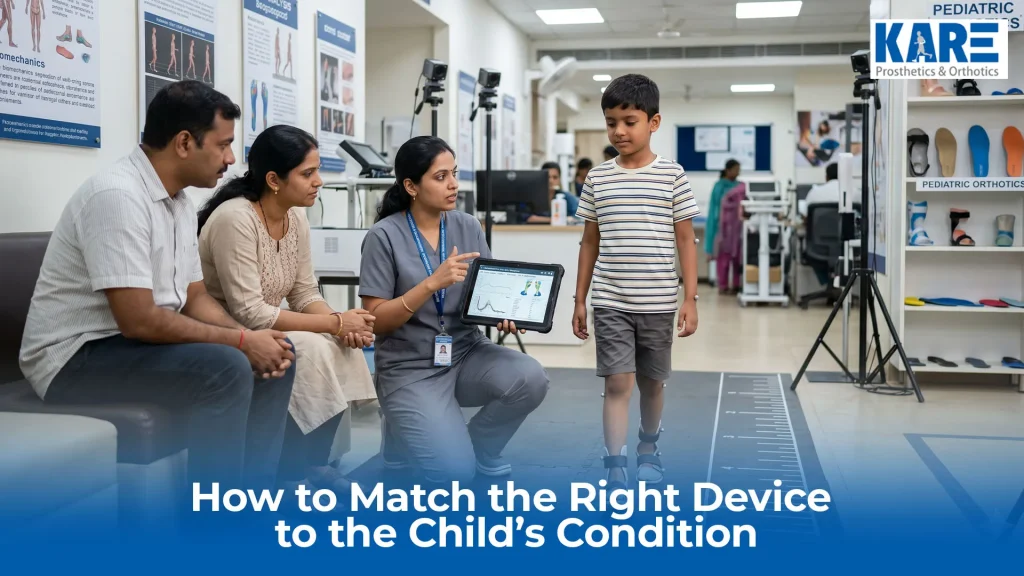
Clinicians do not select a device from a shelf and move on. They study foot shape, muscle tone, gait, joint control, and activity goals first. Then they decide whether the child needs flexibility, rigid support, or something between those two ends. That process often decides the best orthotic for kids more accurately than diagnosis alone.
| Condition pattern | Device choice | Main goal |
| Flexible flat foot with mild instability | SMO or foot orthosis | Improve alignment and balance |
| Foot drop or toe walking | AFO or DAFO | Support ankle control and foot clearance |
| Knee instability during stance | KAFO | Improve knee safety and limb control |
| Broad lower-limb weakness | HKAFO | Support posture and standing pattern |
This is where orthotic solutions for children need careful reasoning. One child may need soft guidance. Another may need strong control. So, clinicians match the design to the condition, the activity level, and the growth stage. In this process, families often compare options for orthotic treatment for children and search wider children mobility issues solutions before they commit.
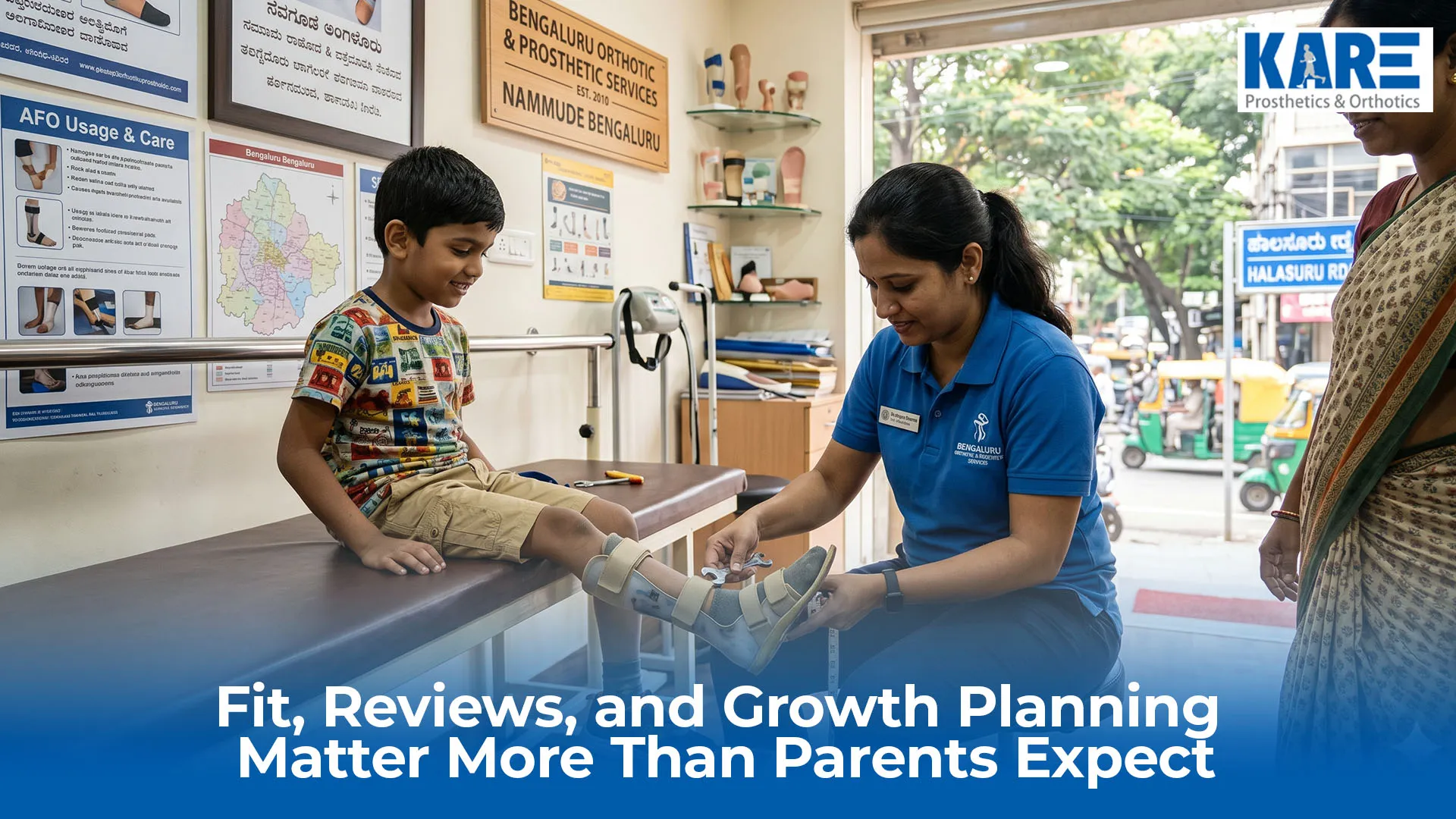
Fit, Reviews, and Growth Planning Matter More Than Parents Expect
Children grow fast. So, a brace that fits well today may need adjustment sooner than expected. That is why clinicians review fit, strap tension, pressure marks, gait quality, and shoe pairing during follow-up visits. If the child starts avoiding the brace, the team must act early.
A good review plan protects comfort and function together. It also helps when the child uses a paediatric orthotic device through school, therapy, and home routines. Families should also watch skin response, wear pattern, and movement changes after each growth phase. That simple habit helps the team refine the device before problems build.
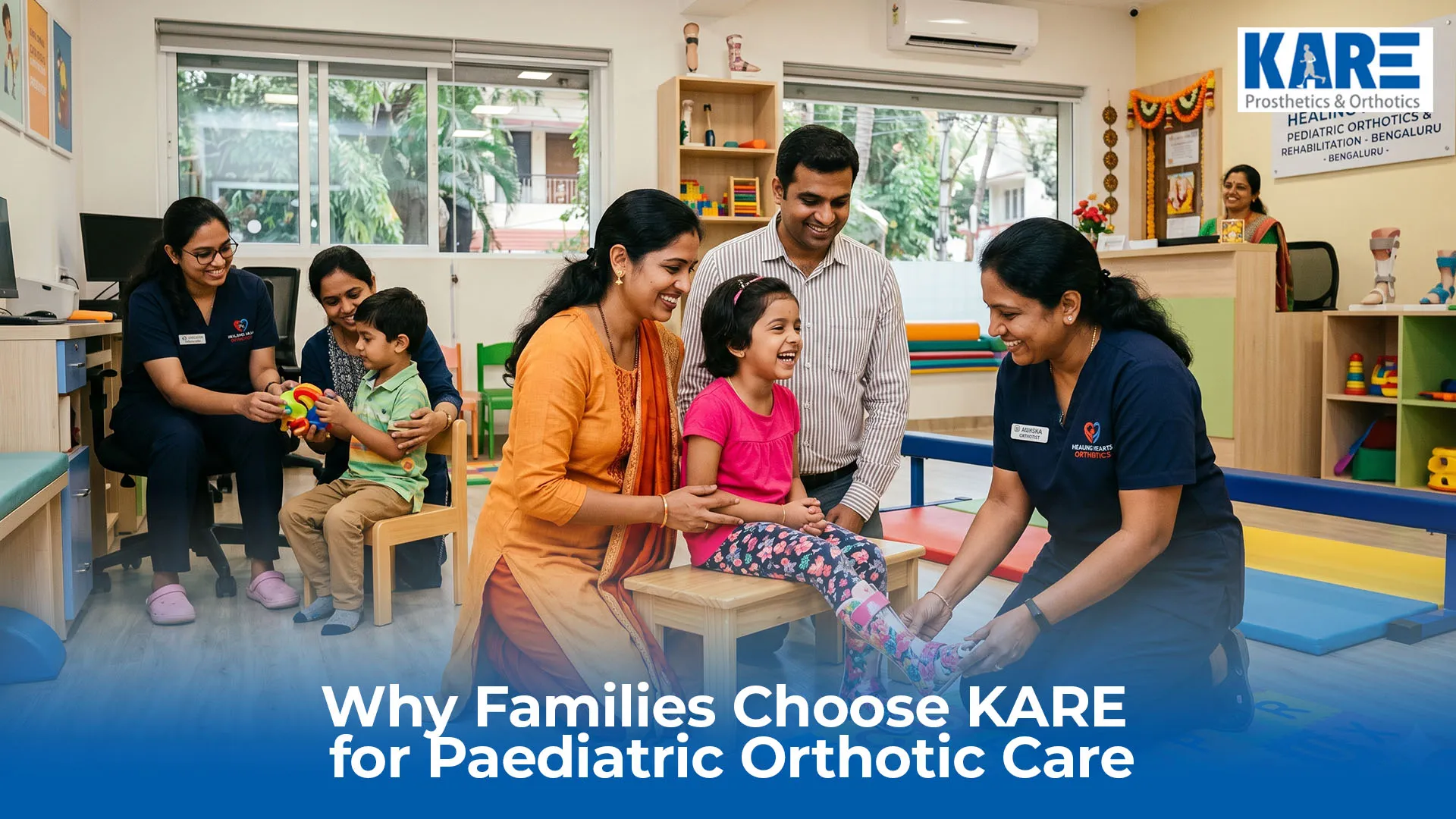
Why Families Choose KARE for Paediatric Orthotic Care
Families trust KARE because we treat paediatric orthotic care as a clinical journey. We work through assessment, custom design, fitting, and follow-up with one clear aim: safer movement for growing children. We build support plans around diagnosis, gait pattern, comfort, and daily routine.
KARE also brings strong clinical depth across paediatric bracing needs. We support lower-limb control, spinal alignment, upper-limb function, and early developmental needs through custom solutions. Our dedicated paediatric vertical keeps that focus sharp. That matters because children need different thinking, different fitting logic, and closer review cycles.
Key strengths include:
- Dedicated “KARE for Kids” care, custom fabrication, and global technology support through partners such as Össur, Becker Orthopedics, and Orthomerica.
- Wide device range under one roof, including AFO, KAFO, SMO, spinal braces, upper-limb orthoses, and follow-up adjustments with rehabilitation support.

Final Thoughts
The right brace can change how a child stands, walks, plays, and grows. However, results depend on timing, fit, review, and clinical judgement. Parents need more than a product. They need a team that understands gait, growth, comfort, and long-term function.
If you want trusted orthotic solutions for children, connect with KARE. We assess carefully, customise fully, and guide every stage with care.
FAQs
What is the best orthotic for children with mobility issues?
The best orthotic for children with mobility issues depends on diagnosis, muscle tone, gait pattern, foot shape, and daily needs. Assessment decides the right choice.
How do orthotic devices help children walk better?
Orthotic devices guide joint position, improve balance, limit unsafe motion, reduce strain, and support better foot contact, so children walk with steadier steps each day.
When should a child use orthotic support?
A child should use orthotic support when walking looks unstable, feet collapse, joints drift, pain appears, or a clinician recommends structured movement support during growth.
Are orthotics safe for growing children?
Yes, orthotics stay safe for growing children when clinicians review fit, pressure points, alignment, and growth often, then adjust materials and trimlines as needed regularly.
How do I choose the right orthotics for my child?
Choose orthotics after a full gait review, foot assessment, muscle testing, and goal setting. Custom design usually suits complex cases better for your child today.