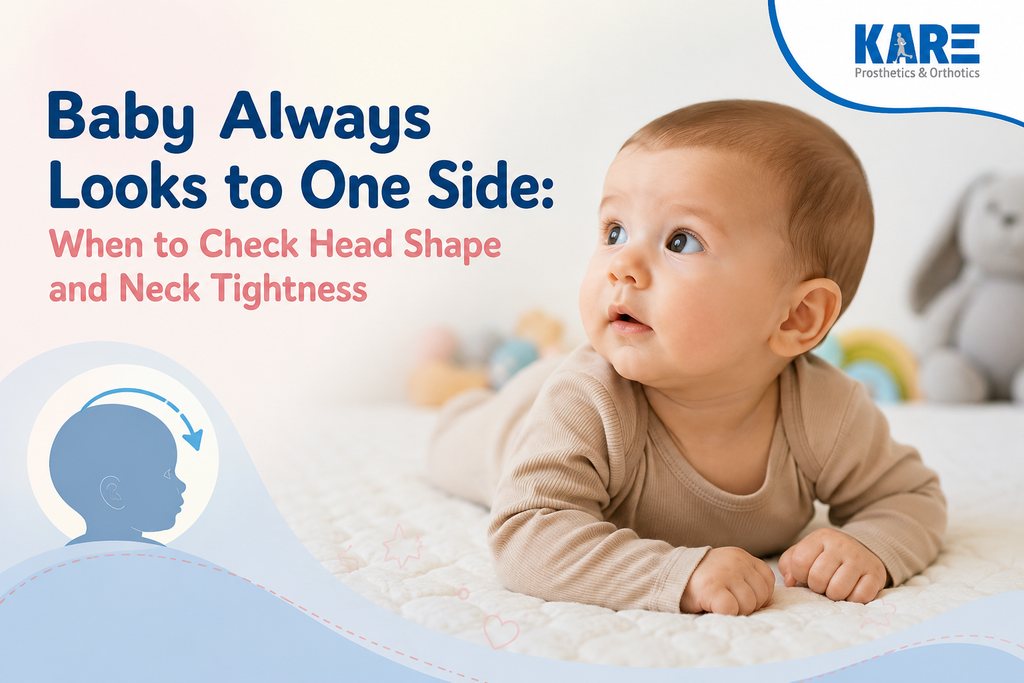
When a baby always looks to one side during sleep, feeding, and play, parents may suspect a simple habit. However, repeated turning can also come from neck muscle tightness, early torticollis, or the baby’s usual resting position. Continued pressure on one skull area may gradually affect head shape.
Not every one-sided preference needs treatment. Check whether your baby turns both ways, feeds comfortably, and holds the head without a fixed tilt. A timely assessment can guide position changes, physiotherapy, or specialist care.
What One-Sided Looking Can Tell You About Your Baby
Young babies spend long periods lying down. Therefore, small movement differences repeat throughout each day. Light or a parent’s voice may attract one child. Meanwhile, a tight neck muscle can restrict the opposite turn.
Check whether your baby moves both ways without strain. Also compare the skull, ears, cheeks, feeding pattern, and shoulders. Patterns across routines carry weight.
Why Your Baby Always Looks to One Side
A baby may favour one side because of room cues, repeated carrying positions, or tight neck muscles. Check whether your baby can turn both ways without strain. Persistent head tilt, feeding trouble, restricted movement, or skull flattening needs a paediatric assessment.
A Familiar Resting Direction
At first, a newborn may favour the side facing the room or doorway. Likewise, repeated feeding and carrying positions can strengthen a baby’s head turn preference.
First, move toys and your position. Then watch whether the child follows unaided. Equal, easy movement suggests an environmental habit. Still, watch for flattening.
Neck Muscle Tightness and Infant Torticollis
Meanwhile, congenital muscular torticollis often involves the sternocleidomastoid muscle. It runs from the chest and collarbone towards the skull. When one side shortens, the head may tilt towards it while the chin rotates away.
Therefore, neck tightness in babies may appear as unequal rotation. Your child may resist repositioning or hold one ear nearer the shoulder. Parents may also feel a small lump. Never press or stretch it without professional instruction.
An Indian report described fibromatosis colli with congenital torticollis in three infants. Its authors used clinical checks and imaging, while physiotherapy remained the main care route. The case series shows why neck swelling needs medical review.
Early Changes in Skull Shape
A baby’s skull can mould during growth. Repeated pressure may flatten one back area. Positional plagiocephaly can shift one ear forward and make one forehead side fuller.
Brachycephaly creates broad rear flattening, while scaphocephaly creates a narrow outline. Because patterns differ, photographs cannot replace a baby head shape assessment. Clinicians must also exclude early suture fusion.
Parents can compare these patterns through KARE’s guide to plagiocephaly, brachycephaly, and cranial helmet choices.
Feeding Feels Harder on One Side
For example, feeding can expose movement limits. Still, a baby may latch well on one breast but fuss on the other.
Notice whether the jaw, neck, or body twists. Never force the head. Instead, ask a paediatrician or physiotherapist to check rotation, tilt, oral function, and feeding position.
Restricted Head and Neck Movement
When a baby always looks to one side, test movement through play. Move a toy from the middle towards the less-used side. Watch the eyes, chin, shoulders, and trunk.
Free rotation lets the head follow without whole-body rolling. Your baby may lift one shoulder or twist their body when turning feels difficult.
When Parents Should Book an Examination
Therefore, arrange a review when one-sided turning continues across daily activities. Seek earlier advice for persistent tilt, painful movement, feeding changes, neck swelling, or progressing flattening.
Start with your paediatrician. The doctor may refer you to physiotherapy, craniofacial care, or orthotics. A plagiocephaly assessment checks skull form and neck movement together. KARE’s baby flat head syndrome guide explains related warning signs.
How Early Checks Support Movement, Feeding, and Head Growth
An early review must match care with the cause. Position changes may address preference, physiotherapy may treat torticollis, and marked asymmetry may need cranial care.
Reduce Pressure on One Skull Area
Next, supervised tummy time removes rear skull pressure. Begin with brief sessions after feeds settle, using your chest or lap. Later, try a firm floor surface.
Alternate carrying and feeding arms. Move toys towards the less-used side. Yet always place your baby on the back for sleep. Avoid wedges and shaping pillows.
Encourage More Even Neck Movement
If your baby always looks to one side, a therapist may teach gentle active-rotation exercises. A face, sound, or toy invites movement towards the restricted direction without force.
Passive stretching needs individual instruction because poor hand placement can strain the neck. Therapists also check rotation, lateral flexion, strength, head control, and movement symmetry.
Make Feeding and Carrying More Comfortable
During feeding, support the shoulders and trunk instead of turning only the head. Then alternate sides where possible. Carry your child so room activity invites the less-used turn.
Meanwhile, monitor breathing, swallowing, and latching. Stop feeding if your baby coughs, arches, changes colour, or becomes distressed. Other conditions can cause feeding problems, so request paediatric review.
Limit Further Positional Flattening
A flat head in babies can progress when pressure returns to one spot. Repositioning changes skull contact. Never press or massage the flattened bone.
Take monthly overhead photographs while the baby rests safely. However, let clinicians measure treatment changes. KARE explains daily care in its guide to how baby flat-head helmets support skull growth.
Use Tummy Time and Repositioning Safely:
Tummy time reduces repeated pressure on the back of the head and encourages neck movement. Keep every session supervised, begin with short periods, and never force the baby’s head.
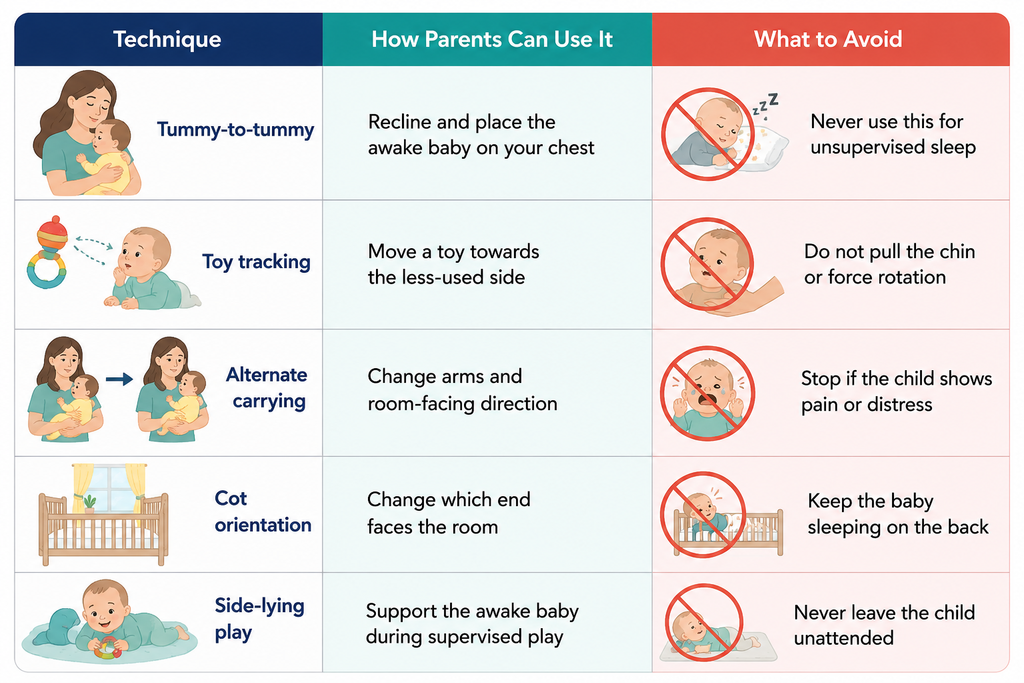
These methods invite movement but cannot diagnose neck tightness in babies. Request a clinical review before starting stretches.
Know When Head-Shaping Care May Help
A cranial orthosis does not treat a shortened neck muscle. Physiotherapy addresses movement, while the helmet guides skull growth. Both services may run together.
A review of 27,990 infants reported good or great outcomes for up to 96% starting cranial orthosis treatment at 4–6 months. Among infants starting after 11 months, the figure reached 77.6%. These findings favour timely referral, although every baby needs individual clinical selection.
How KARE Supports Babies With Uneven Head Shapes
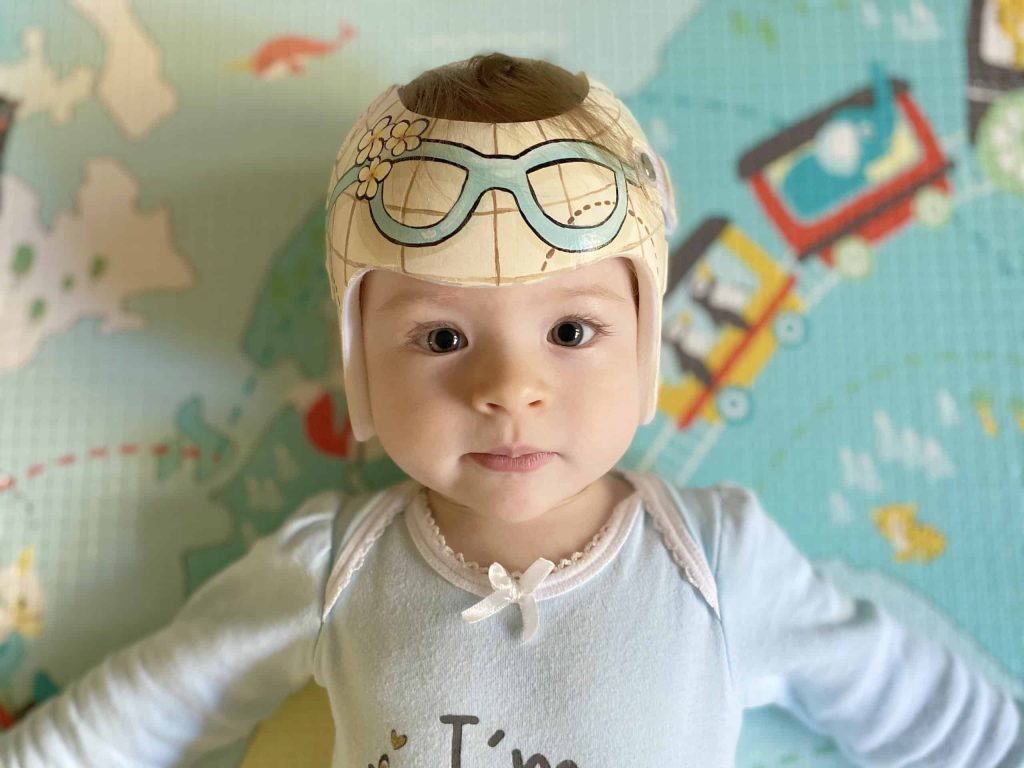
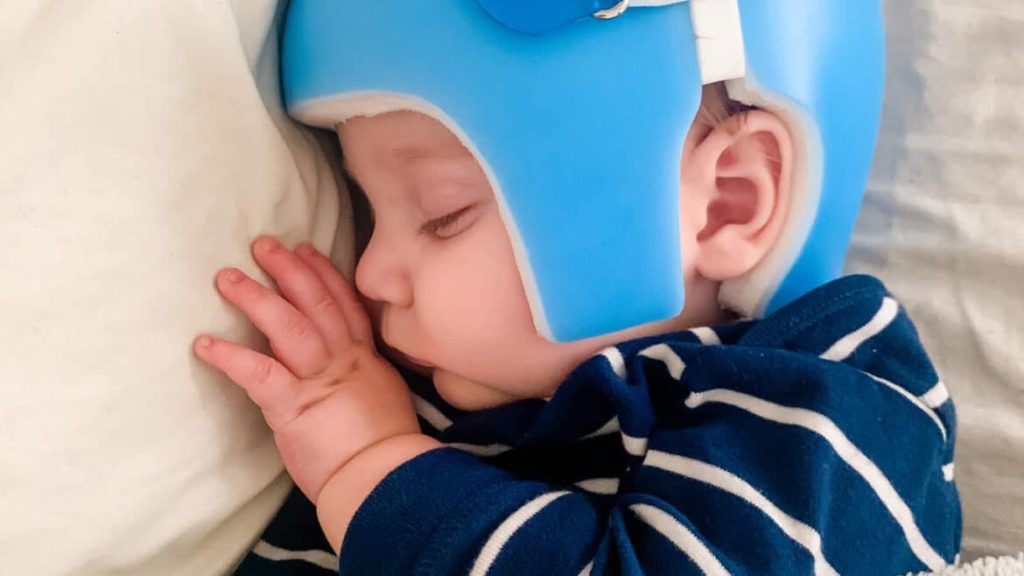
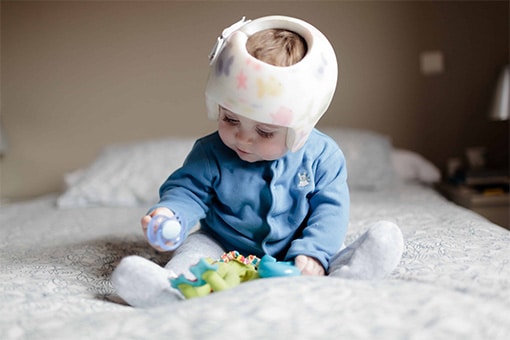
KARE supplies custom cranial remoulding helmets. KARE supports infants from about 3 to 18 months, based on advice and head shape.
The team uses contact-free SmartCam video scanning. Then Orthomerica, USA, fabricates each design through a CAD/CAM process. Trained orthotists fit the lightweight helmet, review progress, and adjust it during growth.
Parents can also access consultations, video support, nationwide service, transparent pricing, and zero-cost EMI for up to 12 months.
- Individual designs use each baby’s measurements.
- Several helmet forms suit different deformities and treatment stages.
- Regular reviews check fit, skin, wear, and progress.
3D Cranial Remoulding Helmet
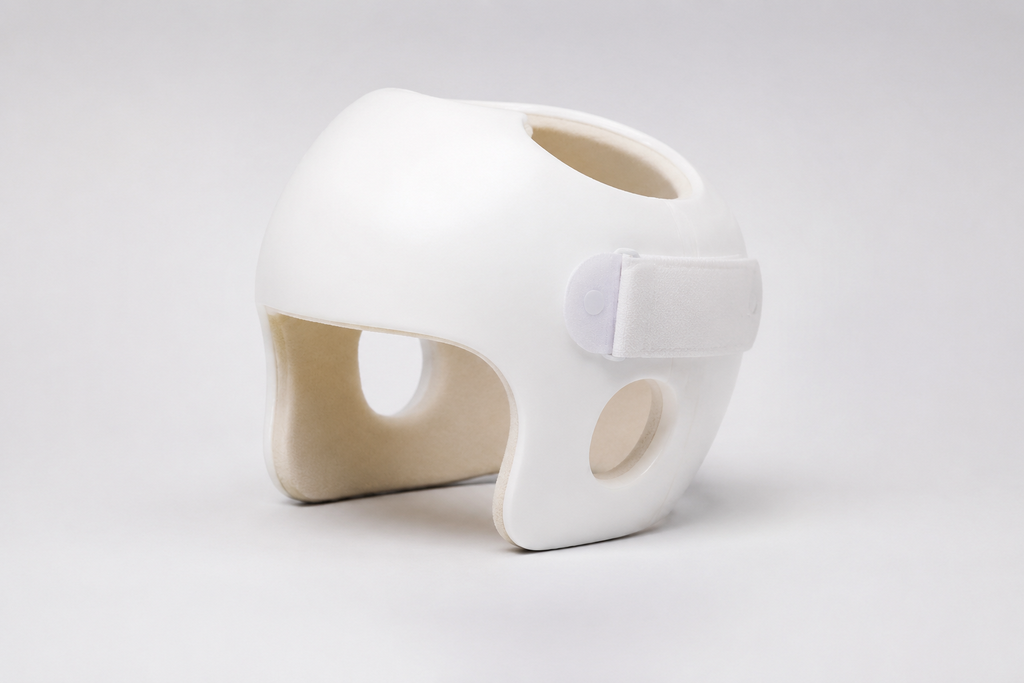
The 3D Cranial Remoulding Helmet uses scanned head data to guide asymmetric skull growth.
When Can a Cranial Remoulding Helmet Enter the Plan?
Clinicians consider helmet therapy after checking severity, age, growth, and earlier care. First, they confirm positional deformity. Mild asymmetry may improve without a helmet, while marked cases need closer review.
Never buy an unmeasured helmet online. Every skull has different prominent and flattened areas. Poor fit can cause rubbing or ineffective contact. Trained orthotists must monitor the device.
If the baby always looks to one side and flattening persists, treat both findings as linked clues. Address restricted movement first or alongside cranial care. KARE explains expected fitting stages in its guide to baby flat-head helmet therapy in India.
What Happens During a Clinical Head-Shape Check?
Expect a few questions first. Was your baby born early? Which side does your baby sleep or feed on? How often does tummy time happen? The answers help place the head change in context.
Next comes the baby head shape assessment. The clinician looks from above, behind, and both sides. Ear position gets checked. So do the forehead, cheeks, skull width, and how far the neck turns. For a plagiocephaly assessment, the clinician may take manual measurements or use a scanner that does not touch the head.
Old phone photos can help, especially when the change happened slowly. Tell the clinician about pain, fever, vomiting, odd eye movements, weakness, or skills your baby once used but stopped.
Before leaving, ask what happens next. You may receive advice on carrying, feeding positions, tummy time, physiotherapy, skin checks, or helmet review. Also confirm who will track the neck movement and head growth.
Take the Right Next Step for Your Baby
One-sided looking needs observation. Check whether your child turns both ways, feeds comfortably, and holds an even head position. Seek review when tilt or flattening persists.
If your baby always looks to one side, KARE can arrange custom scanning, orthotic guidance, and monitored cranial helmet care when clinically recommended. Contact our team for a review, and together we can plan the next step with KARE.
Frequently Asked Questions
Why does my baby always turn the head to one side?
Position habits, room cues, or torticollis may cause repeated turning. A paediatric examination can check muscle length, movement range, pain, posture, and development safely today.
Can looking to one side cause flat head in babies?
Yes. Repeated pressure on one soft skull area may cause flattening. Supervised tummy time and varied positions can reduce continuing pressure during awake periods daily.
When should parents check for baby neck tightness?
Book a review when turning remains unequal, the head tilts, feeding becomes difficult, or repositioning causes distress. Seek prompt medical care when pain appears suddenly.
Can head turn preference affect baby head shape?
Yes. A persistent baby head turn preference can load one skull area repeatedly. Early position changes may protect symmetry while clinicians assess neck movement restrictions.
When should parents visit a specialist for head shape assessment?
Visit when flattening progresses, ears appear uneven, neck movement remains restricted, or repositioning brings little change. A specialist can grade severity and plan suitable care.