
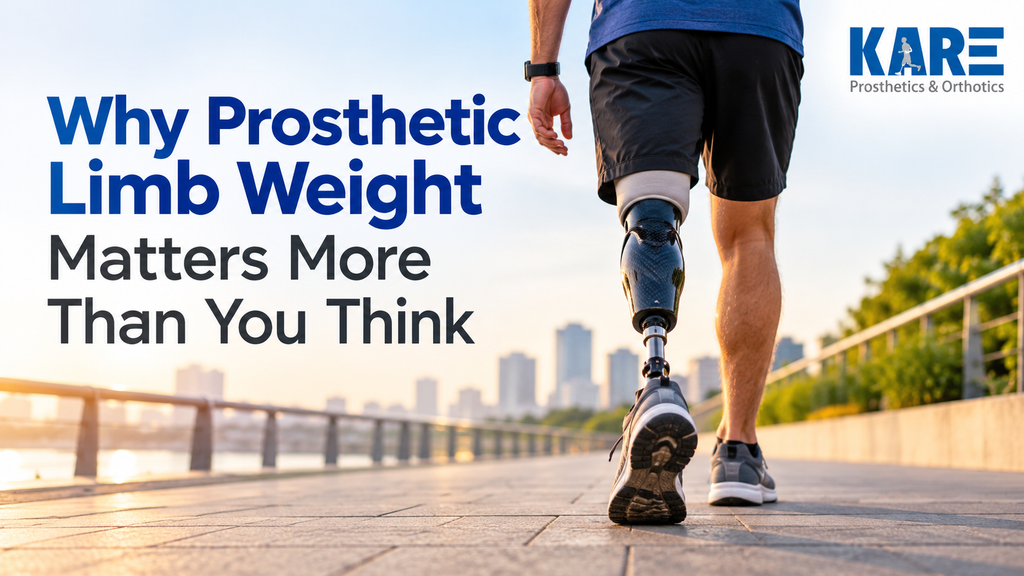
Does the limb feel manageable in the morning, then harder to control after hours of walking or commuting? Prosthetic limb weight can influence the effort required during movement and the pressure you notice around the socket.
Reducing weight may ease the load for some users. A lighter limb, however, does not automatically produce a better fitting. Component placement, socket fit, alignment, activity level, muscle strength, and daily terrain all change the result. For Indian users, this becomes especially relevant during long workdays, public transport travel, stairs, uneven roads, and warm weather. The better question is not, “How light can the prosthesis be?” It is, “What weight works with your body and the way you move?”
The Weight Question Starts With How You Use the Limb
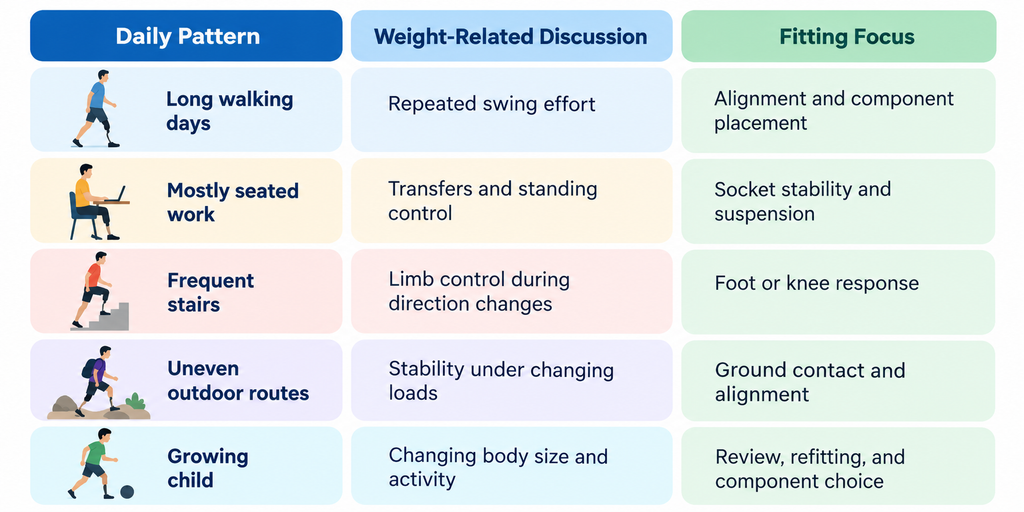
Modern components do not make two prostheses behave the same way. Desk-based work places different demands on a limb than repeated walking through stations, campuses, or work floors. Someone who walks between factory floors, railway platforms, or college buildings may notice swing effort far sooner. Daily use decides which weight-related trade-offs deserve attention.
The material choice enters here, but it never works alone. Lightweight prosthetic materials can bring component mass down. Socket fit and alignment still decide how that weight moves with your body. Poor placement may leave the limb pulling away during swing, even when the components themselves weigh less.
KARE’s complete guide to prosthetic limbs in India explains limb types, fitting stages, and the wider process around component selection.
How Prosthetic Limb Weight Changes Everyday Movement
Problems may appear after repeated use rather than during a short clinic walk. Longer distances, ramps, stairs, footwear, and changing ground surfaces place different demands on the prosthesis. Clinicians therefore need to watch how the complete limb behaves during movement, not rely on its measured weight alone.
Easier Movement Through Long Hours
During walking, the prosthesis must swing forward, settle into position, and remain controlled before the next step begins. If prosthetic limb weight feels poorly matched to your strength or limb level, repeated swing can become tiring. The issue may show up late in the day, after the morning fitting still felt fine.
A lower mass can help some users move the limb with less effort. However, component location also changes how heavy the prosthesis feels during swing. Weight placed farther from the body can demand more control than the same mass placed closer. This is why energy-efficient prosthetic design looks at the whole mechanical setup, not one component in isolation.
Component position deserves attention. A foot, hand, or terminal device lies farther from the body than the socket. Therefore, changes at the far end can alter rotational demand during swing. Users may describe this as the limb “pulling.” The clinician then checks mass and placement.
For a wider view of selection, KARE discusses how fit, technology, and brand priorities differ in its guide on what to prioritise when choosing a prosthetic limb.
Reduced Load on Your Residual Limb and Joints
A prosthesis transfers force through the socket before that force reaches the rest of the device. Poor suspension, pressure concentration, or alignment can make a manageable limb feel much heavier. Then the user may compensate through the hip, trunk, shoulder, or opposite limb, depending on the amputation level.
A prosthesis can feel heavier once the body starts compensating for it. Extra effort may move into the hip, lower back, or opposite leg, especially when socket fit or alignment needs correction. Prosthetic comfort and weight therefore need review as part of the complete fitting, rather than as separate concerns.
A 2025 NIH-indexed trial tested an active microprocessor-controlled knee in seven people with transfemoral amputation. The study found that the active knee added about 690 to 1,650 grams compared with participants’ existing prosthetic knees. During the L-test, users reported higher fatigue and lower comfort with the heavier system. They also needed about 7.88 seconds longer to complete the test.
Weight alone did not explain every result. The researchers also pointed to limited adaptation time with the new powered knee. For a user, that distinction is useful. If tiredness begins after fitting a new system, the review may need to cover weight distribution, socket suspension, alignment, training time, and adaptation to the component.
Device weight alone cannot explain every pain complaint. Fitting, alignment, activity demands, and adaptation can produce similar problems. They show why prosthetic comfort and weight deserve attention during review appointments, especially when pain appears after longer wear.
Pain deserves a fitting review before anyone blames device mass alone. Socket movement can drag against soft tissue, while poor alignment can shift work towards the trunk or opposite side. In upper-limb systems, terminal-device position and suspension can change shoulder effort. The question is where extra effort begins and which movement triggers it.
Lower Fatigue Through Walking and Standing
Fatigue can come from many places. Socket pressure, poor alignment, weak muscle control, heat, footwear, activity level, and component resistance may all add effort. Prosthetic fatigue prevention therefore starts with the complete fitting, rather than a simple target for low mass.
When prosthetic limb weight matches the user poorly, the body may spend extra effort controlling swing or stabilising the device. Small compensations repeated throughout a workday can add up. A clinician may respond by reviewing alignment, socket contact, suspension, foot response, knee settings, or component choice instead of removing weight without a plan.
The timing of fatigue helps narrow the cause. Early tiredness may point towards high effort from the start. Later fatigue may connect with socket changes, skin pressure, heat, or repeated compensation. A short note covering activity, footwear, and when discomfort begins gives the prosthetist more useful information than “the limb feels heavy.”
Steadier Control on Stairs, Slopes, and Rough Ground
A staircase changes the demand immediately. So does a sloped pavement, broken road surface, or wet station floor. The prosthesis must remain controllable while your body changes speed and direction. Here, very low weight does not automatically produce better control.
The best setup balances mass, stability, response, and your activity pattern. For some users, a carbon fibre prosthesis component can return energy while keeping component weight lower. Yet the foot category, heel response, toe lever, knee system, and alignment still influence what you feel on the ground.
Control becomes harder when the surface changes without warning. A light component that works on a smooth corridor may feel different on gravel or a steep ramp. A stable foot can still perform poorly if alignment shifts the intended loading path. Weight must fit the mechanics, not compete with them.
Comfort Across a Full Wearing Day
Morning comfort can hide an afternoon problem. Residual-limb volume may change during the day, while heat and sweat can affect socket contact. Add several hours of walking, and a small fitting issue may become much more noticeable. That is why prosthetic comfort and weight should be reviewed together.
Children add another fitting challenge because growth changes limb length, body size, and activity needs. Parents looking at paediatric options can read KARE’s article on how paediatric limb prostheses support child growth for a broader view of fit changes over time.
Fitting Limb Weight to Your Activity Level and Body
There is no useful universal target for every user. Researchers in the 2026 NIH study examined 232 upper-limb prosthesis users and separated their devices by weight. The study classified prostheses weighing below 1 kg as light, those between 1 and 1.6 kg as moderate, and devices weighing 1.6 kg or more as heavy. These categories describe that research group. They should not become fixed weight limits for every prosthetic design or amputation level.
A clinician instead looks at your amputation level, body size, strength, work pattern, walking demand, and component needs. Lightweight prosthetic materials can help reduce mass, but the final setup still needs suitable control and durability.
How KARE Prosthetics & Orthotics Selects Weight Around User Needs
KARE treats weight as one part of a larger fitting decision. Our clinicians review activity, socket fit, terrain, stability, and functional goals before selecting components. We work with custom prosthetic legs, upper-limb systems, orthotic support, and flat-foot solutions through advanced prosthetics and orthotics in India.
Our care also includes:
- Custom evaluation, fabrication, fitting, and gait training.
- Qualified prosthetists and orthotists with international clinical exposure.
- Follow-up for adjustment, rehabilitation, maintenance, and changing user needs.
Balance Foot: Carbon-Fibre Stability
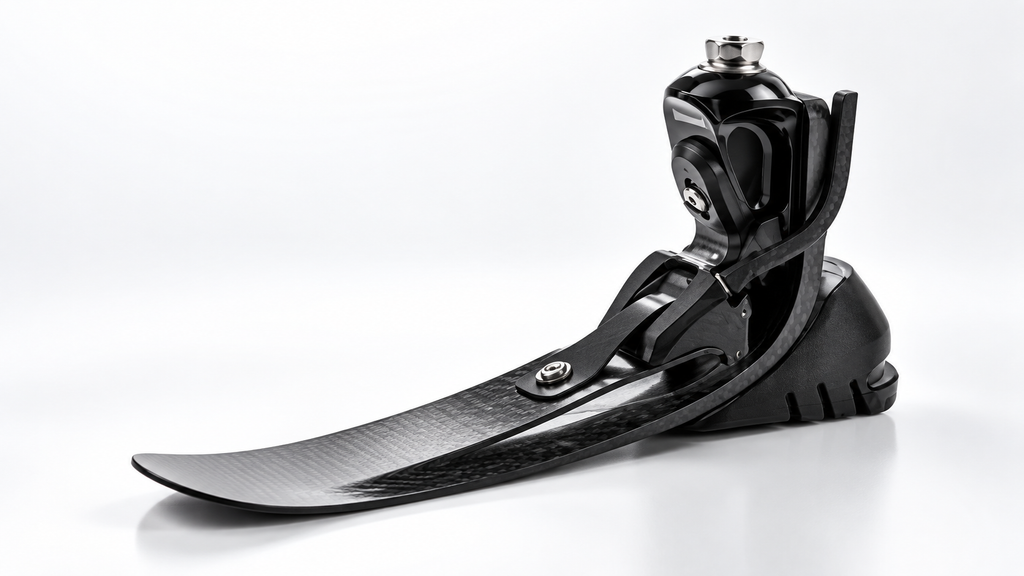
The Balance Foot uses carbon fibre with a focus on stability and heel cushioning. It can support a carbon fibre prosthesis setup where control remains the priority.
Pro-Flex LP: Low-Profile Design for Longer Residual Limbs
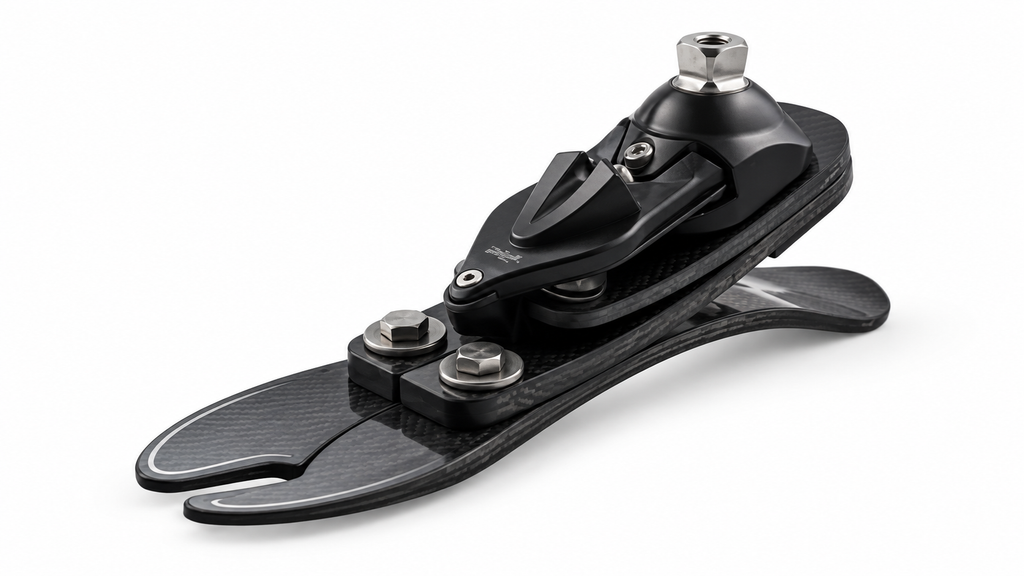
The Pro-Flex LP uses a low-profile design for longer residual limbs. Its design links available component space with movement demands.
Aspire Foot: Carbon Fibre for Efficient Walking
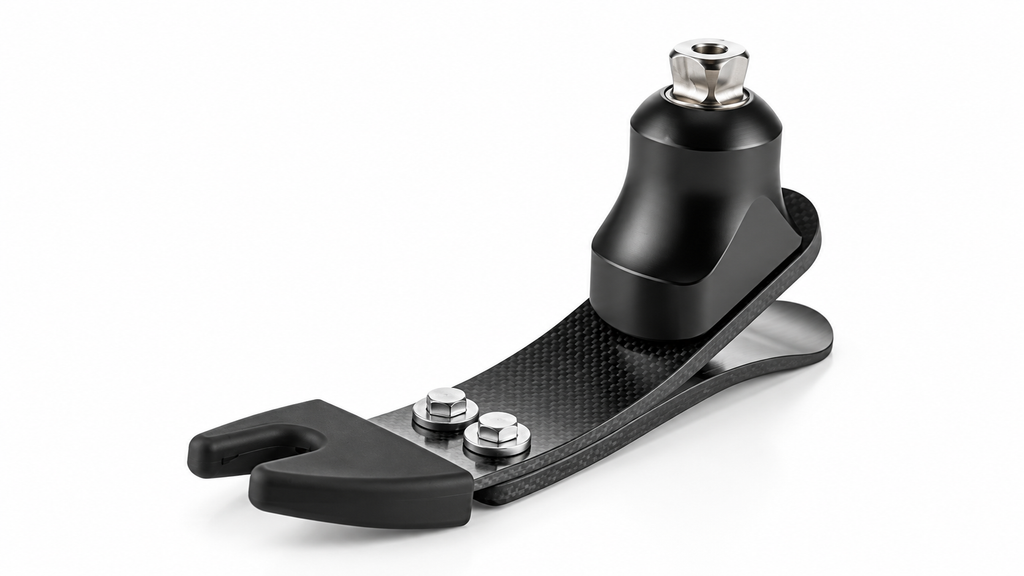
The Aspire Foot combines carbon fibre with active energy return. This approach connects with energy-efficient prosthetic design during component selection.
What to Review Before Moving to a Lighter Prosthesis
Start with the reason you want less weight. Perhaps the device feels tiring after travel. Maybe the socket pulls during swing, or a distal component feels difficult to control. Those complaints point to different fitting questions, so replacing a part without checking the cause can waste money.
Next, look at where the weight comes from. A socket, liner, suspension system, pylon, foot, knee, hand, battery, or terminal device can each change total mass and its distribution. Prosthetic fatigue prevention may require a new alignment or suspension approach even when the component itself stays unchanged.
Cost deserves a separate conversation. Advanced materials and higher-spec components can change the final price, but paying more does not guarantee a better personal fit. KARE’s prosthetic limbs price guide gives useful context on the factors that can affect cost.
The fitting visit should also include the tasks you actually perform. Walk at your normal pace. Try a ramp if one is available. Use your normal footwear during the fitting and repeat movements such as sitting, standing, and turning. A limb may work well during the first few minutes yet become harder to control later. Tell the prosthetist when that change starts. Prosthetic limb weight becomes useful information only when it connects with a specific movement or wear problem.
Ask how a proposed component changes the full setup, including future adjustments. A lighter option may use different materials, geometry, or mechanical features. Those changes can affect durability, response, and maintenance. Compare the complete limb after fitting, not a single part held in your hand. The goal is easier daily use without losing support or control.
Choosing Weight Around Fit, Function, and Daily Mobility
The lightest limb on paper is not automatically the easiest limb to use. Good fitting starts with your body, your residual limb, and the tasks that fill your day. Materials come next. Alignment, socket contact, suspension, component response, and gait training decide whether those materials work well together.
At KARE Prosthetics & Orthotics, we assess prosthetic limb weight alongside socket fit, alignment, activity needs, and component response. If your limb becomes tiring, heavy, or difficult to control during daily use, our clinical team can review the fitting and discuss suitable component options with you.
FAQs
1. Why does the weight of a prosthetic limb matter?
Weight changes movement effort, socket pull, limb control, and long-wear comfort. The effect depends on fit, alignment, component placement, strength, and daily activity demands.
2. Can a heavier prosthesis cause fatigue or back pain?
Research has linked greater upper-limb prosthesis weight with higher pain and effort. Fit, posture, activity level, and device type can also affect those symptoms.
3. What materials make prosthetics lighter?
Carbon fibre, titanium, aluminium, polymers, and composite materials can lower component mass. Clinicians still match the material with strength needs, socket design, and expected use.
4. Is a lighter prosthesis always better?
No. A very light device can still perform poorly if alignment, suspension, stability, or component response does not fit the user’s body and activity pattern.
5. How does weight affect long-term prosthetic use?
Weight that does not work well with the fitting may increase effort during longer wear. Follow-up visits allow the prosthetist to review alignment, fit, components, and changing daily needs.