Below knee and above knee prosthesis fitting can affect the way you walk throughout the day. Could one fitting error increase pressure, disturb balance, or waste energy? Yes. A loose socket or incorrect knee setting may change every step. Your fitting plan must therefore begin with a clinical assessment. The clinician checks residual-limb shape, strength, joint movement, work demands, home layout, footwear, and walking goals. The team then plans fitting and training around those findings.
Below Knee And Above Knee Prosthesis: Key Differences In Fit And Use
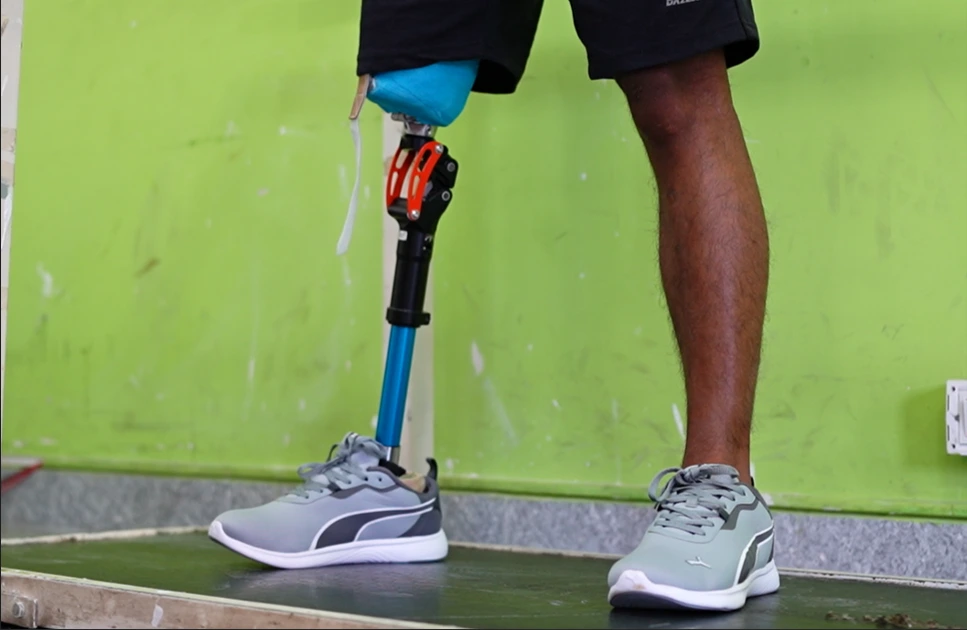
A below-knee user keeps the natural knee. Therefore, the device replaces missing shin, ankle, and foot functions. An above-knee user needs a socket, artificial knee, pylon, and foot. As a result, the clinical team manages more movement phases and more safety checks.
| Clinical Area | Below-Knee Fitting | Above-Knee Fitting |
| Main control source | Natural knee and hip | Hip, socket control, artificial knee |
| Typical training focus | Foot placement, loading, ankle response | Knee safety, swing control, hip drive |
| Common fit concern | Tibial pressure and socket pistoning | Groin pressure, rotation, socket stability |
| Energy demand | Usually lower | Usually higher due to lost knee function |
During prosthetic limb fitting, the clinician tests standing first. Then, walking reveals rotation, uneven steps, or sudden knee movement. A below knee prosthesis often permits quicker early practice. However, an above knee prosthesis needs closer knee checks before outdoor walking.
A North Indian cohort included 106 traumatic lower-limb amputations, with 53 transfemoral, 39 transtibial, 12 knee disarticulation, and 2 hip disarticulation cases. Each level needs a different socket, component plan, and training route.
Socket Design Should Protect Bone And Soft Tissue
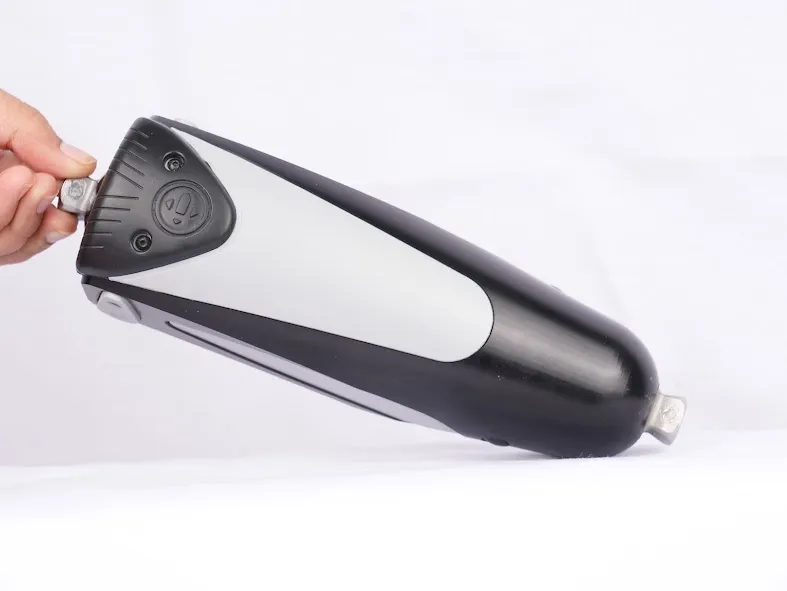
The socket transfers body weight through selected areas. Therefore, its shape cannot follow limb size alone. The clinician maps firm tissue, bone points, scars, and volume changes. Next comes total surface bearing, patellar tendon bearing, ischial containment, or sub-ischial fitting.
Below-knee pressure often appears near the tibial crest, fibular head, or distal tibia. Above-knee socket errors may cause groin pain, skin pulling, or rotation. A diagnostic socket marks pressure during walking. Then, the clinician adjusts or remakes it before final lamination.
Foot loading also changes socket pressure. Read how foot pressure mapping guides orthotic design and walking support.
Alignment Checks For Below Knee And Above Knee Prosthesis Users
Alignment places the socket, knee, pylon, and foot in one working line. First comes bench alignment. Static checks follow while you stand. Dynamic alignment begins during walking.
Small changes create large effects. A forward foot may delay rollover. A wrong socket tilt may push the knee into flexion, while a poor toe angle can rotate the limb. Therefore, the clinician watches pelvis position, knee path, foot contact, and step length together.
The complete prosthetic setup must also match the user’s footwear. Different heel heights change alignment. Consequently, bring shoes used for work, travel, and regular home use.
Early Training Builds Safe Habits Before Speed
Prosthetic training after amputation begins with weight transfer, standing control, and step preparation. First, you practise equal loading with support. Next, you move weight in several directions. Then, you take short steps between parallel bars.
The therapist may use mirrors, floor markers, obstacle drills, step taps, sit-to-stand work, and treadmills. However, speed comes later. Repeated hip hiking or vaulting can strain the lower back.
Skin Checks Prevent Small Problems From Growing
Skin should tolerate pressure without rubbing or trapped sweat. Therefore, inspect the residual limb after each wearing period. Check your limb every day for redness, blisters, broken skin, dark patches, swelling, or any discharge. Sometimes redness goes away after a short rest. But if it does not go away, show it to your clinician.
Before you fit the liner, wash the limb well and dry it completely. The liner also needs cleaning, so follow whatever method your clinician has told you. Do not use powder, oil, or thick cream on the skin unless your clinician has said it is fine for you.
Rain can reduce grip and harm some components. KARE shares monsoon travel tips for wet roads and slippery floors.
Daily Tasks With A Transtibial Prosthesis
Daily life with prosthetic leg use starts with basic tasks. Practise kitchen work, bathroom turns, bus steps, chairs, and uneven lanes. Because the natural knee remains, many users manage sitting and stairs with less training.
Foot response still affects comfort a lot. A soft heel helps at the first contact with the ground, and the right toe resistance supports a smooth rollover. Suspension is important too. It should stop pistoning, but without cutting off circulation.
A below knee prosthesis may need sock changes from time to time, since limb volume keeps changing. But if the change is big, do not just add socks. Get the socket checked by your clinician.
Transtibial users may walk with fewer compensations. Yet weak hips, knee contracture, or poor alignment can cause trunk lean and short steps.
Daily Tasks With A Transfemoral Prosthesis
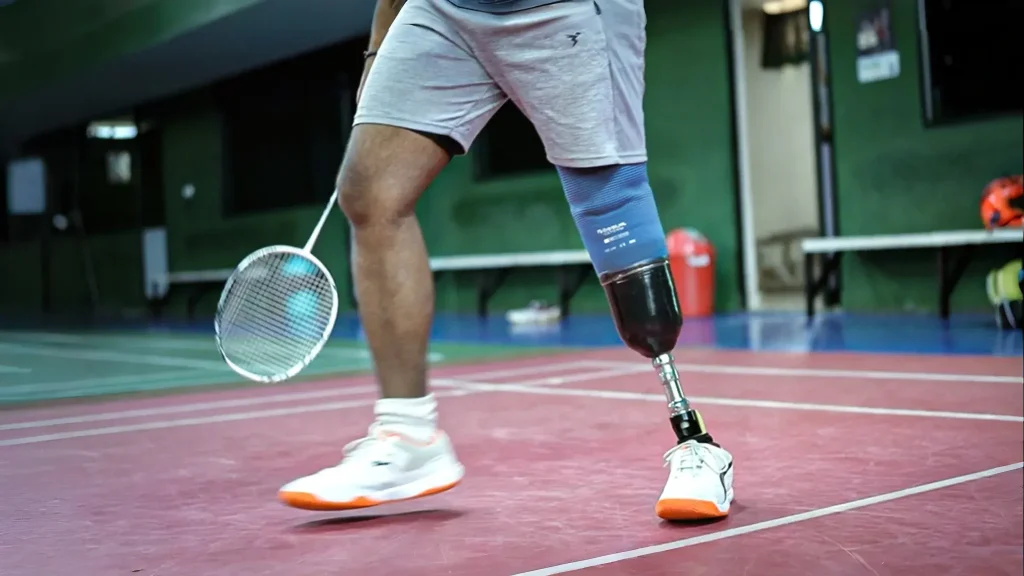
An above-knee user controls an artificial knee during stance and swing. Therefore, daily life with prosthetic leg use needs extra practice for sitting, slopes, stairs, and crowds. You must learn when the knee resists flexion, swings, or recovers after a stumble.
Mechanical knees use friction, pneumatics, hydraulics, or polycentric links. Microprocessor knees use sensors to change resistance. Still, technology cannot replace training or socket control. The hip guides the prosthesis, while the socket limits rotation.
An above knee prosthesis also needs practice for vehicle entry, low chairs, and toilet use. Therefore, therapy should copy your usual settings.
Gait Training For Below Knee And Above Knee Prosthesis Users
Gait training should follow a sequence. First, the therapist checks posture and equal weight transfer. Next comes prosthetic-side loading without rushing the sound limb forward. Then, training adds step length, toe clearance, turns, slopes, stairs, and outdoor surfaces.
Video can show trunk lean, vaulting, circumduction, or uneven timing. Pressure systems may show foot loading. However, the therapist should link each finding to one correction.
An Indian study reported significant improvement in functional mobility among people who received prostheses compared with those without them.
Prosthetic training after amputation should also cover fatigue. You may walk well, then lose knee control or toe clearance. For this reason, therapists should test longer routes before independent community walking.
Choosing Below Knee And Above Knee Prosthesis Components
Every prosthesis needs components matched to the user’s function, weight, terrain, and budget. A costly part may offer unused features. Meanwhile, a basic part may restrict users who climb stairs or change speed.
Clinicians compare cushioned-heel, single-axis, multiaxial, dynamic-response, and microprocessor feet. For knees, they assess stance safety, swing control, stumble recovery, charging, water exposure, and repair access.
Consider these questions during review:
- Can the component support your body weight, work demands, and usual walking surfaces?
- How often will it need charging, servicing, software checks, or replacement parts?
- Can your local clinic adjust it after swelling, weight change, or gait progress?
- Will the socket, suspension, and footwear work with that component choice?
Finally, ask about trials. A short clinic walk cannot copy a full workday. Therefore, describe bus travel, farm work, factory floors, or office stairs before selection.
Common Prosthesis Fitting Challenges And Clinic Support
A residual limb often changes shape during the first few months. Because of this, many users begin walking with a preparatory prosthesis. Once swelling reduces and the limb becomes more stable, the clinic may create a definitive socket using stronger materials and more precise alignment. KARE explains the difference between preparatory and definitive prostheses.
Take the complete prosthetic setup to each review appointment. This includes the limb, liner, socks, walking aid, and the shoes worn most often. Before the visit, note where discomfort begins, which movement causes it, and how long it continues. These details give the clinician something specific to check.
Why KARE Uses A Personalised Prosthetic Care Process Across India
KARE designs each prosthesis around the user’s body and daily routine. The clinical team checks the residual limb, walking ability, work demands, home layout, and travel needs before selecting components. It then handles design, fitting, gait practice, rehabilitation, and later adjustments through one connected care plan.
- KARE uses CAD/CAM, digitising systems, microprocessor options, and modern components where clinically suitable.
- Qualified clinicians include highly trained professionals and American Board Certified specialists. The team supports treatment, education, gait work, and follow-up.
- KARE works with global prosthetic and orthotic brands, including Össur, Orthomerica, ST&G, and Becker Orthopedics.
- The organisation provides international-quality prosthetic and orthotic care at affordable prices, with services available across major Indian cities, including Bengaluru, Chennai, Kochi, Mysuru, Coimbatore, Thiruvalla and other locations.
Proprio Foot For Terrain And Toe Clearance
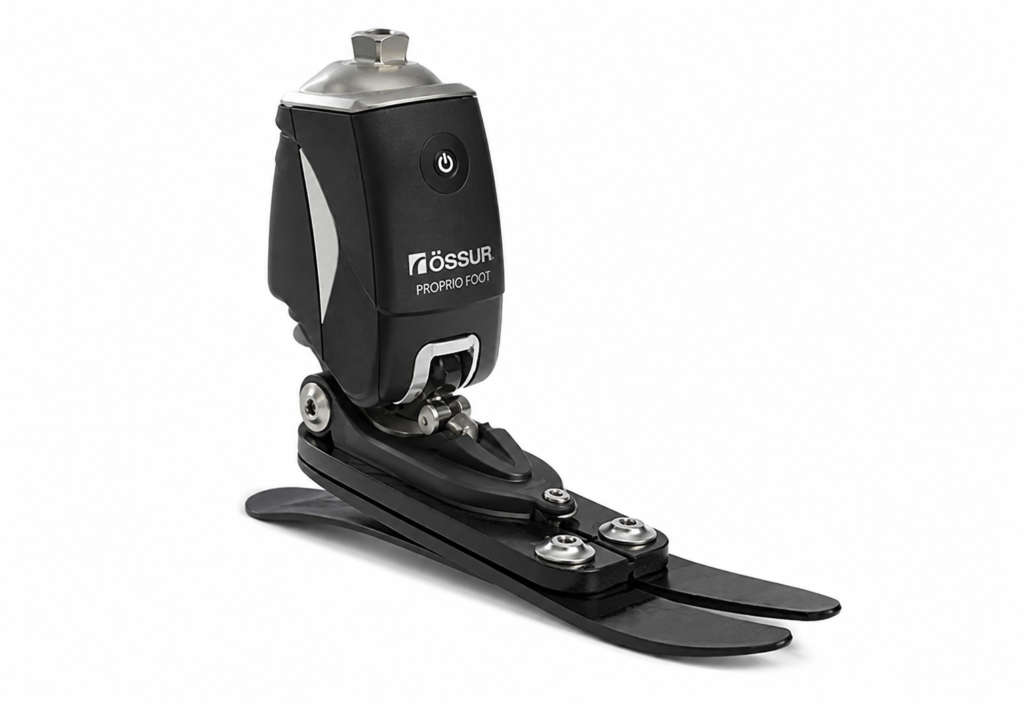
The Proprio Foot uses a microprocessor ankle. It adjusts foot angle across slopes, stairs, and level ground for selected users.
RHEO Knee XC For Variable Walking Tasks
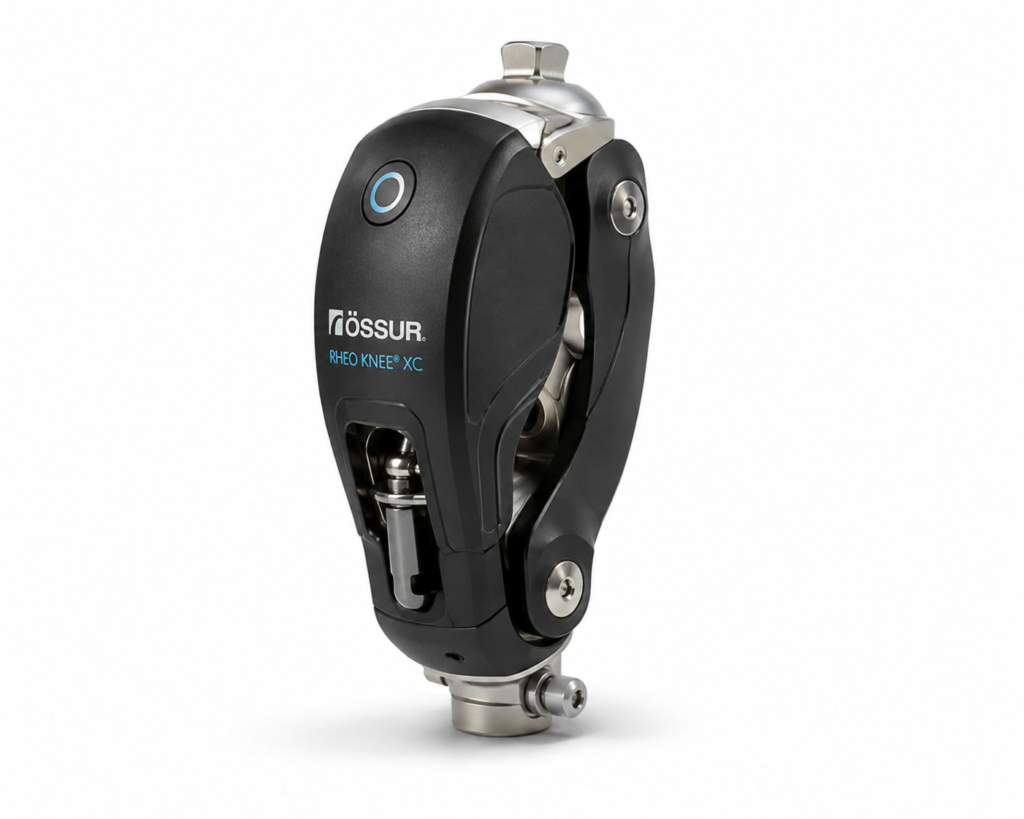
The RHEO Knee XC adjusts stance and swing resistance. It supports stairs, cycling, and walk-to-run training for suitable users.
Power Knee For Active Knee Motion
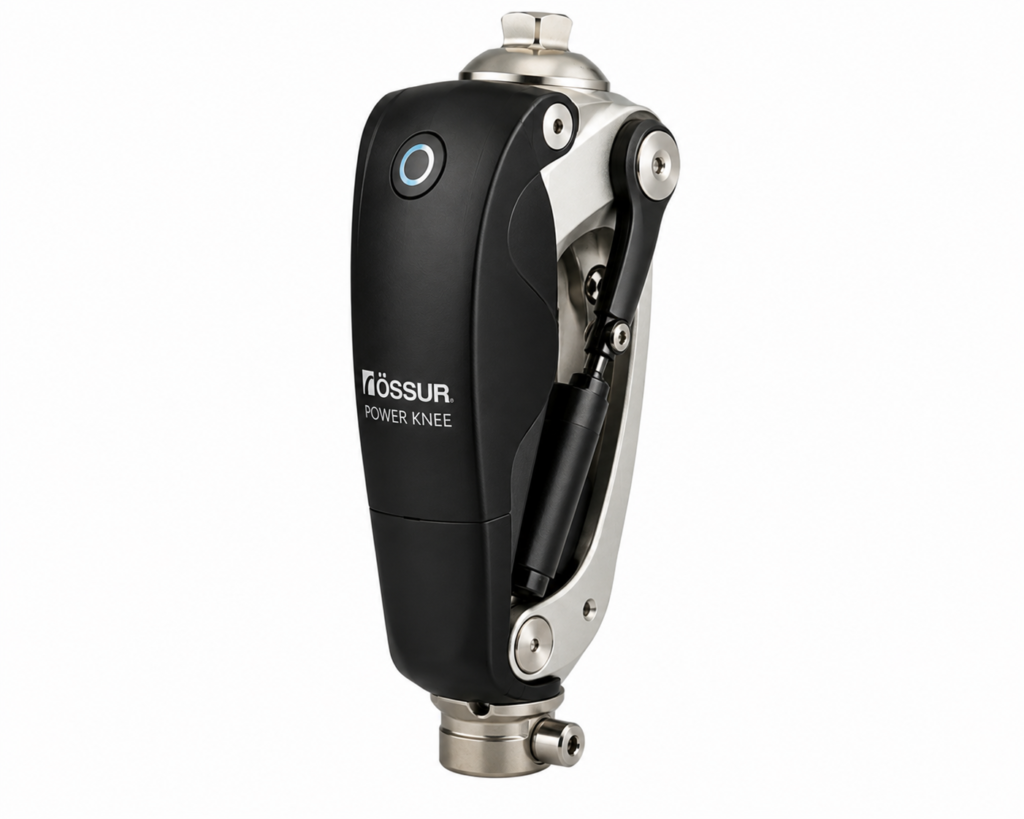
The Power Knee supplies powered extension, controlled descent resistance, and active movement for selected transfemoral users.
Before your appointment, use this first prosthetic consultation checklist.
Final Thoughts On Fit, Training And Daily Prosthesis Use
A successful prosthetic journey needs assessment, accurate socket fit, suitable components, and repeated gait practice. Therefore, report pressure early, attend follow-ups, and practise tasks from your routine.
At KARE, we assess your limb, plan custom care, fit suitable components, and support rehabilitation. Contact us to discuss your goals with our prosthetic team.
Frequently Asked Questions
What changes between below-knee and above-knee prosthesis fitting?
Below-knee fitting uses the natural knee, while above-knee fitting adds artificial knee control, greater socket demands, and longer gait practice for daily movement at home.
Does above-knee amputation need more prosthetic training?
Usually, yes. Users learn stance safety, swing control, sitting, slopes, stairs, and recovery methods while guiding the artificial knee through controlled hip movement each day.
How does knee control affect prosthetic walking?
Knee control manages stability during weight-bearing and movement during swing, affecting step length, toe clearance, speed changes, turning, and stumble recovery outdoors each day.
What should families ask before choosing a prosthetic limb?
Families should ask about socket design, component suitability, training, repairs, follow-up access, total costs, expected replacements, warranties, and safe practice at home before making decisions.
How can prosthetic training improve daily walking confidence?
Training builds safer loading, smoother steps, better turning, stronger transfers, and practical skills for roads, stairs, workplaces, transport, crowds, and longer routes without unsafe compensations.