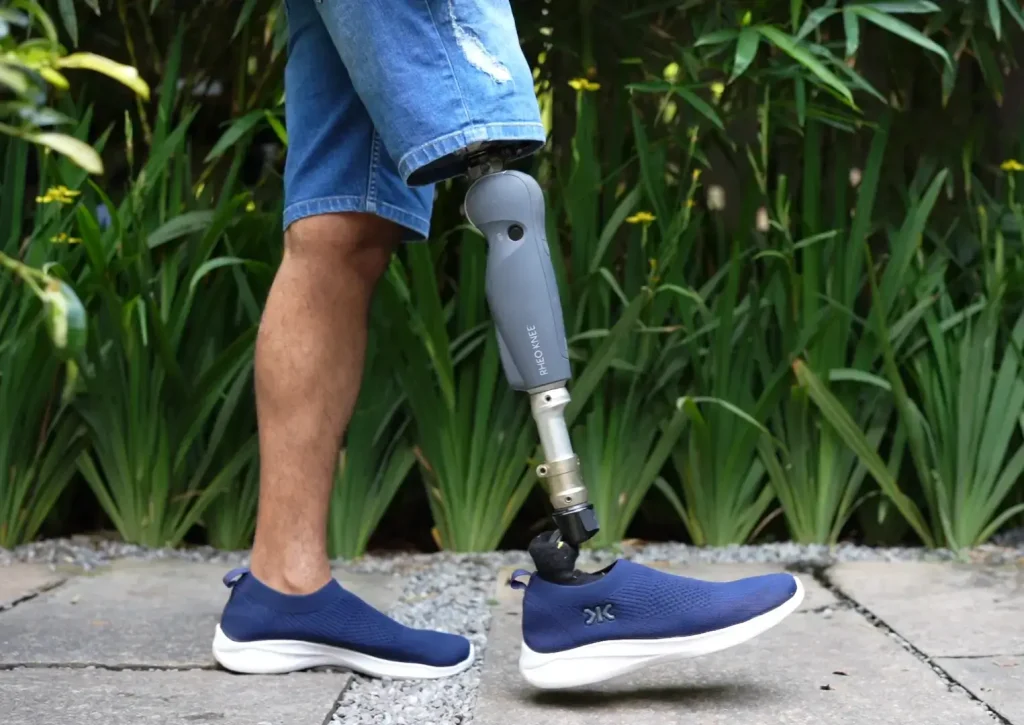

Does your prosthetic leg feel different even though nothing obvious has changed? You may notice extra movement while walking, new rubbing around one area, or a need for more prosthetic socks than before.
These changes often point towards a socket fit problem. Your socket connects the residual limb with the prosthesis, so even a small shape change can affect pressure, control and comfort. Prosthetic socket refitting may help when the current fit no longer matches your residual limb properly.
A prosthetist does not always replace the whole socket. The clinician first checks your skin, limb shape, liner, suspension, pressure areas and alignment, then decides whether padding, relining, a liner change, modification or a new socket would work better.
Why Prosthetic Socket Fit Changes Over Time
Your residual limb can change after amputation and continue changing later. Swelling may reduce, muscle tissue can alter, body weight may move up or down, and activity levels may change how tissues load the socket.
A residual limb volume change can leave extra space between the limb and socket. That gap may feel small while sitting, but during walking it can allow movement, friction and reduced control.
Liners and suspension parts also wear with regular use. Gel or silicone liners can thin out, sleeves may stretch, and seals may lose grip. Because of this, clinicians need to inspect the complete prosthetic system rather than blaming the socket alone.
KARE also explains why fit should often take priority over expensive components when selecting a limb. Their guide covers socket design, trial fitting and component choice in more detail: Brand, Technology or Fit: What Should You Prioritise When Choosing a Prosthetic Limb?
Signs Your Prosthetic Socket May Need Refitting
Fit problems rarely begin with severe pain. Small changes usually appear first, especially during longer walking, standing, stair use or daily travel.
A 2026 Indian study covering below-knee prosthesis users across centres in Goa and Maharashtra reported poor socket fit in 73.49% of participants. That figure shows why regular socket checks deserve attention.
Your Socket Feels Loose While Walking
A loose prosthetic socket may allow the limb to move more during swing or stance. You might feel the prosthesis lag slightly behind your body during turns, stairs or faster walking.
This can happen after limb-volume loss or suspension wear. During prosthetic socket refitting, the prosthetist checks whether added socks, liner changes, socket modification or a different suspension setup can restore secure contact.
You Notice Redness, Rubbing or Pressure Marks
Skin marks provide useful clues about how the socket loads your limb. Repeated redness, blisters, sore areas or rubbing around bony points can indicate uneven pressure or friction.
These are common prosthetic discomfort signs. If the same mark appears after each use, the prosthetist should check pressure distribution instead of repeatedly adding padding without a plan.
The Prosthesis Moves Up and Down on the Residual Limb
Repeated vertical movement inside the socket is called pistoning. It can increase friction, pull on the skin and reduce control during the swing phase.
The cause may involve limb-volume loss, liner wear, suspension failure or socket shape. Pin-lock systems, sleeves, suction systems and vacuum suspension all need different checks.
You Need More Prosthetic Socks Than Before
Prosthetic socks help manage normal daily volume changes. However, a steady increase in sock ply over several weeks can signal a larger residual limb volume change.
Too many socks may create folds or uneven pressure inside the socket. KARE discusses fit, ongoing maintenance and prosthetic expenses in its Prosthetic Limbs Price Guide for Better Mobility.
Walking Feels Less Comfortable or Stable
A socket problem can change step length, trunk position and weight transfer. You may lean more towards one side or feel less secure on slopes and uneven roads.
A socket adjustment may help, but the clinician should also inspect alignment, suspension and foot position. Changing only one area can leave the original cause untreated.
Pain or Skin Irritation Keeps Returning
Recurring pain after earlier adjustments needs another clinical review. Scar tissue, bony areas, liner movement or poor socket contact can keep creating irritation.
The prosthetist should examine your skin and gait before making further modifications. Removing material from the wrong area may shift pressure somewhere else.
How Prosthetic Socket Refitting Can Improve Daily Comfort and Mobility
Refitting aims to restore closer contact between your limb and socket. The clinician works on pressure control, suspension, alignment and movement rather than simply making the socket tighter.
Better Pressure Distribution Around the Residual Limb
Some areas of the residual limb tolerate load better than others. A prosthetist checks bony landmarks, scar tissue and sensitive areas before changing socket contours.
This process can reduce concentrated pressure while improving contact elsewhere. Better pressure spread may also reduce repeated rubbing during longer wear.
Reduced Socket Movement During Walking
Extra internal space often causes movement and friction. A socket relining service may reduce that space when the existing socket still has suitable shape and structural condition.
Relining cannot fix every case. Large shape changes may need a newly designed socket instead.
Improved Suspension and Limb Control
Suspension keeps the prosthesis attached as you walk, turn and climb stairs. A worn liner, loose sleeve or weak seal can create movement even when the socket shell still fits reasonably well.
A clinician may inspect locks, sleeves, suction seals and vacuum systems before changing the socket itself. Better suspension can give more predictable limb control.
Less Friction Around Sensitive Skin Areas
Friction often develops when the limb moves inside the liner or socket. Reducing pistoning, rotation and liner movement can lower repeated rubbing.
Daily liner care also deserves attention, especially in warm Indian conditions. Sweat and skin oils can affect both comfort and suspension.
Easier Walking With Better Prosthetic Alignment
Socket fit and alignment affect each other. A socket may fit well while poor foot or knee position still causes discomfort during walking.
Prosthetists may use bench, static and dynamic alignment checks. During dynamic assessment, they watch step length, knee position, trunk movement and foot progression.
KARE explains how fitting, rehabilitation and follow-up can support daily mobility in its Prosthetic Limbs Benefits for Better Mobility.
What Happens During a Prosthetic Socket Refitting Appointment
A proper appointment starts with assessment rather than immediate modification. The clinician first needs to identify what changed and where the problem begins.
| Check | What the Prosthetist Looks For |
| Residual limb | Shape, volume, scars, skin condition and tender areas |
| Socket fit | Pressure, total contact, loose zones and painful areas |
| Liner | Wear, thinning, tears and loss of grip |
| Suspension | Locking, suction, sleeves, seals or vacuum performance |
| Alignment | Standing position, walking pattern and weight transfer |
| Socket condition | Cracks, distortion, worn areas or structural damage |
After these checks, the prosthetist may recommend a socket adjustment, liner change, padding, heat modification, test socket or relining. Larger fit changes may need a fresh scan, cast or diagnostic socket.
A transparent test socket can help the clinician inspect contact during standing and walking. This step supports more accurate shape changes before final fabrication.
When Socket Adjustment May Not Be Enough
A socket can only take so many changes before another approach becomes necessary. If the residual limb changes too much, repeated padding or reshaping may stop giving a reliable fit.
In the 2026 Indian study, 80.72% of participants reported socket failure. That number points to a simple need for regular checks, especially when the socket starts moving differently, develops damage, or keeps causing discomfort after earlier corrections.
Major Residual Limb Changes
A large change in limb size or shape can make the original socket geometry unsuitable. Adding more socks or padding may then create uneven pressure instead of restoring good contact.
Repeated Skin Problems
Recurring sores, blisters or pressure injuries need a new review. The prosthetist should check pistoning, rotation, liner friction and local pressure before deciding the next step.
Damage or Cracks in the Existing Socket
Cracks around attachment points or other load-bearing areas need professional inspection. Home repairs with tape, glue or makeshift padding can hide a structural problem.
Persistent Pistoning
A loose prosthetic socket can continue moving even after liner or suspension changes. In that situation, the clinician may need to redesign the socket.
Changes in Mobility or Activity Needs
Your current socket may still fit, but your daily demands may have changed. Returning to work, walking farther or using more stairs can alter prosthetic requirements.
KARE discusses newer prosthetic systems, socket techniques and advanced components in The Latest Innovations in Prosthetics 2026.
Prosthetic Socket Refitting at KARE Prosthetics & Orthotics
We connect socket care with long-term prosthetic follow-up. Our clinical team checks residual-limb shape, skin, pressure points, liner condition, suspension and alignment before suggesting a change.
We use customised fitting methods, test sockets and CAD/CAM-supported design where suitable. Our care can include component selection, gait training, rehabilitation, adjustments and periodic follow-up. We also works with established prosthetic and orthotic technologies and provides both conventional and advanced limb options.
Key areas of care include:
- Custom socket fitting, pressure checks and trial sockets.
- Alignment review, gait training and follow-up care.
- CAD/CAM and digital design support where suitable.
- Access to advanced prosthetic components and recognised international brands.
Follow-up also matters after final fitting. We supports periodic review so users can report fit changes before they become larger problems.
Below-Knee Prosthetic Legs

Below-knee users retain their natural knee, so socket control remains central to stability and movement. We consider limb shape, suspension, activity and prosthetic foot selection during fitting.
More details are available in KARE’s Below-Knee Prosthetic Leg Guide for India.
Above-Knee Prosthetic Legs

Above-knee prostheses require careful coordination between socket, knee and foot. Poor socket position can affect hip control, stability and knee behaviour.
KARE explains fitting, rehabilitation and component choices in its Above-Knee Prosthesis Guide.
Microprocessor-Controlled Prosthetic Legs

Some above-knee users may benefit from sensor-controlled knee systems after clinical assessment. These systems can respond to different walking speeds, slopes and changing movement demands.
KARE provides access to advanced options such as the RHEO KNEE XC.
How Often Should Your Prosthetic Socket Fit Be Reviewed?
A socket should not wait for severe pain before receiving attention. Early rehabilitation may need closer reviews because limb volume can change faster during that period.
Later, periodic checks still help identify liner wear, suspension problems and gradual fit changes. KARE advises continued follow-up, and review intervals may often fall around 3 to 6 months depending on individual needs.
A socket relining service may suit moderate volume loss when the original socket remains structurally sound. The prosthetist should decide this after checking your limb and current socket.
When Should You Contact a Prosthetist About Socket Problems?
Contact your prosthetist when repeated redness, unusual movement, increasing sock use or pain continues. Visible socket damage, suspension failure or a change in walking pattern should also prompt a review.
These prosthetic discomfort signs help the clinician trace the source of the problem. Explain when symptoms start, where they appear and whether recent weight, footwear or activity changes occurred.
In many cases, prosthetic socket refitting can restore better contact before the problem affects daily mobility further. A timely review usually gives the clinician more options than waiting until the socket becomes difficult to use.
Conclusion
Socket fit can change even when the prosthetic leg itself looks fine. Small warning signs such as extra movement, recurring pressure marks, more sock layers or repeated rubbing deserve a clinical check.
At KARE, we assess your residual limb, socket contact, suspension, liner condition, alignment and gait before recommending the next step. Depending on your needs, our team may suggest modification, relining, liner changes, test fitting or a new custom socket.
If your prosthesis keeps moving, rubbing or feeling different, speak with our clinical team about prosthetic socket refitting. We assess, fit, align, train and continue follow-up as part of long-term prosthetic care at KARE.
FAQs
Why does a prosthetic socket stop fitting properly?
Residual-limb size, muscle shape, body weight, swelling and liner wear can change contact, creating extra pressure or movement inside the socket.
What are early warning signs of a loose socket?
Watch for pistoning, rotation, increased sock use, recurring redness, rubbing, delayed prosthetic response or reduced control during walking.
How often should a socket be checked for fit?
Follow the review schedule set by your prosthetist, and book an earlier check whenever fit, skin, suspension or walking comfort changes.
Can weight change affect socket fit?
Yes. Weight gain or loss can change residual-limb shape and tissue volume, which may alter socket contact, suspension and pressure distribution.
Is refitting covered under warranty or service plans?
Coverage depends on the clinic, warranty terms and reason for refitting. Ask your provider about adjustment, relining and replacement coverage.